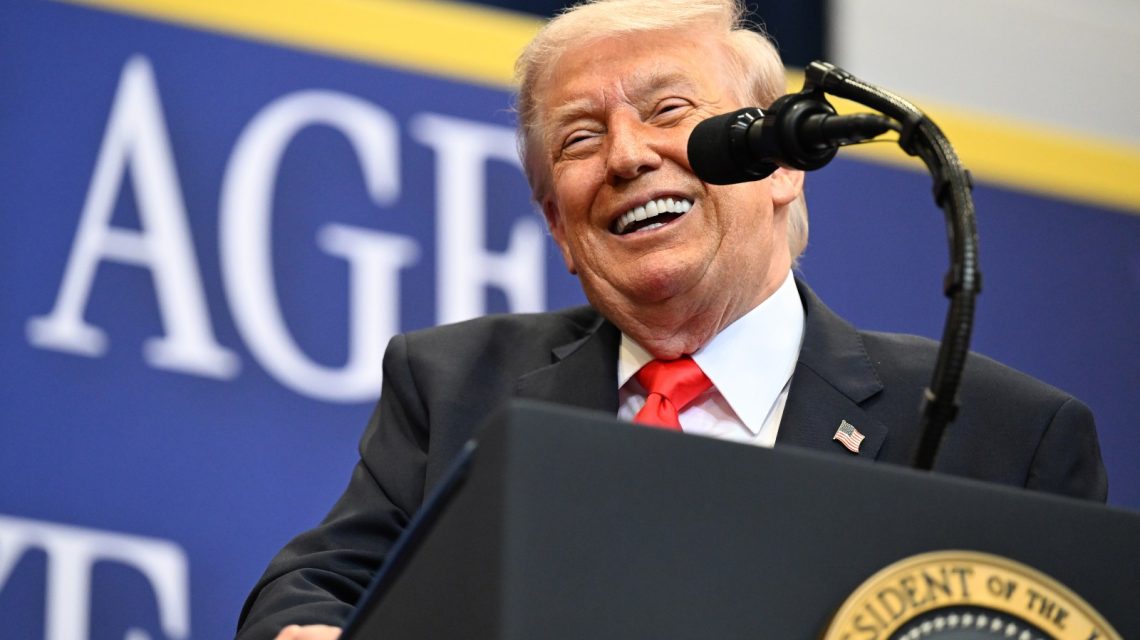
In February, the Supreme Court declared tariffs imposed by the Trump administration illegal and mandated refunds. Despite this decision, only $21 billion out of the owed $166 billion has been refunded after four months. Another $40 billion remains unresolved as the administration insists on individual lawsuits for each importer to claim their refunds.
Working families, small businesses, and farmers have not received their due refunds. Under the current system, which favors large importers and corporations, they will continue to be excluded. In border states reliant on cross-border trade, the tariffs have increased economic burdens by raising consumer prices.
These tariffs have led to an extra $80 billion in costs. Working families faced an average increase of $1,700 in expenses per household. Small businesses on Main Street and farmers bear the brunt as they absorb higher costs.
The refund process only benefits large companies with the resources to handle complex legal procedures. Meanwhile, everyday consumers and small businesses lack the means to file lawsuits. This unequal system has worsened the financial strain on Americans amid inflation, high grocery prices, and record gas prices. Relief appears distant.
By requiring individual lawsuits, the administration inhibits $40 billion in refunds from reaching those in need. Even with court orders addressing refund eligibility, administrative actions have delayed justice.
This situation extends beyond mere policy disagreements. The administration’s actions favor large corporations and disregard the economic stability of households that suffered due to tariffs. Sustainable growth relies on supporting small businesses that can plan, invest, and thrive.
“Relief must reach the households and small businesses who actually paid these costs. Any honest accounting of the harm must make those people whole.”
A transparent registry specifying recipients of refunds is essential. This ensures fairness and accountability. The administration should refrain from appealing orders that would widen refund access. Continuing to block refunds only exacerbates financial harm.
Each day without change upholds a system that rewards large corporations while neglecting working families. State leaders focused on revenue and economic stability must demand a refund process serving those who shouldered tariff-related costs.
Mike Pieciak is the Vermont state treasurer, and Julie Blaha is the Minnesota auditor. The opinions in this article reflect their own views.
 Key Primaries in AI, Democratic Socialism, and Republican Endorsements
  Alaska Candidate Disqualification Sparks Legal Challenge
 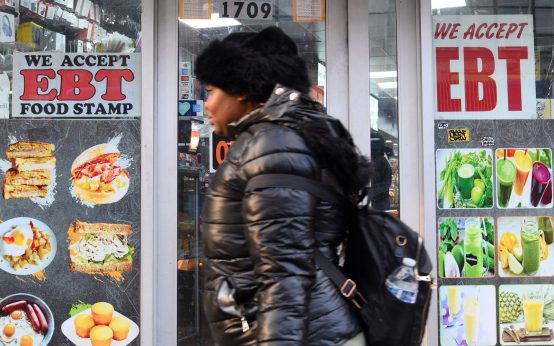 Federal Judge Blocks Restrictions on SNAP Purchases of Sugary Products
  Democratic Primaries and Global Affairs: Key Updates
  New York’s Democratic Primaries: Key Contests and Dynamics
 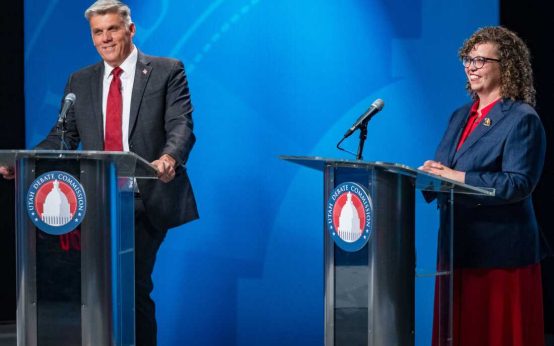 Utah GOP Primary Highlights Shift from Trump