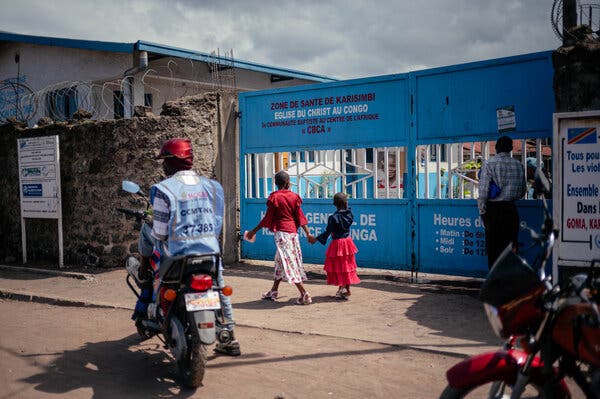
The World Health Organization (WHO) has declared a global health emergency due to an Ebola outbreak in the Democratic Republic of Congo and Uganda. This decision follows the deaths of around 90 people and more than 330 suspected cases reported as of Sunday. The outbreak, first identified in Congo’s Ituri Province, sees only 10 confirmed cases through laboratory testing. Uganda has confirmed two cases.
The Centers for Disease Control and Prevention (CDC) noted efforts to withdraw affected Americans from the region. The outbreak involves the Bundibugyo strain of the Ebola virus, which poses particular challenges as it is rare, with limited field tests available and no targeted vaccine or treatment.
Understanding Ebola
Ebola is a severe illness caused by orthoebolaviruses. These viruses were first discovered in 1976 in what are now South Sudan and the Democratic Republic of Congo, near the Ebola River. The Zaire Ebola virus species is the most prevalent among them.
As international efforts continue, authorities emphasize vigilance and the importance of global cooperation to manage the outbreak effectively.
 Mount Sinai Health System Faces Subpoena on Gender-related Care
 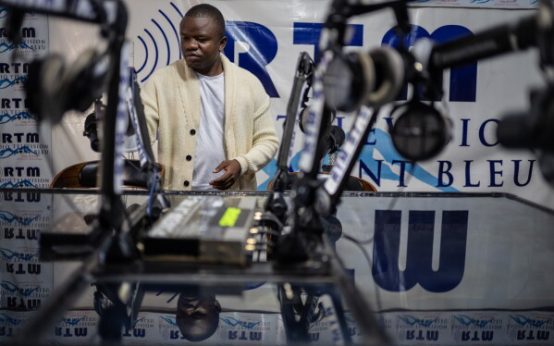 Potential Ebola Outbreak in Central Africa Raises Concerns of Rapid Spread
  Researchers Escorted Out of Diabetes Conference for Criticizing Trump Administration
 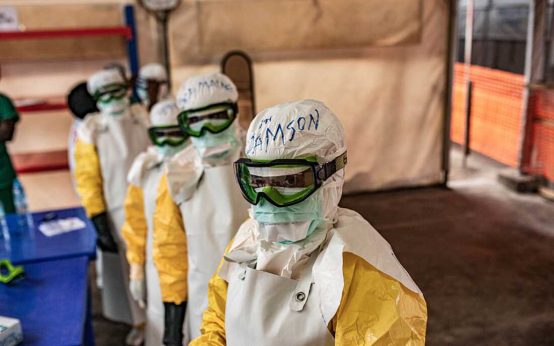 Ebola Outbreak in Africa: A Serious Concern
 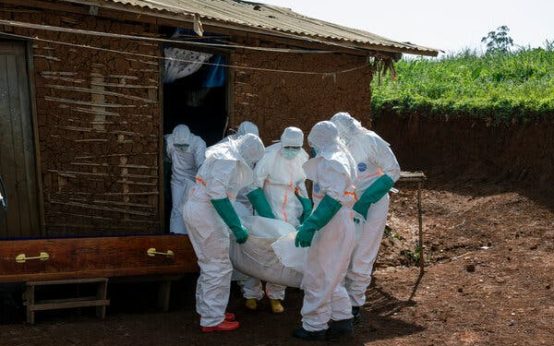 Gold and the Ebola Outbreak in Congo’s Mining Towns
  House Passes Bill for Veterans’ Benefit Increase