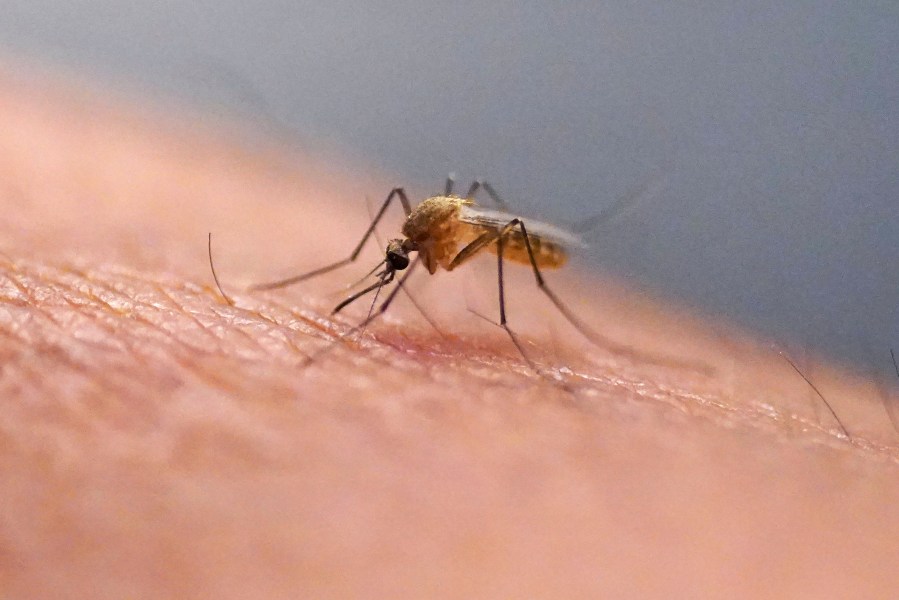
Google aims to tackle the mosquito problem not through software, but with an innovative program. The company seeks approval from the federal government to release up to 32 million mosquitoes in California and Florida as part of its ‘Debug’ initiative. This program intends to ‘stop bad bugs with good bugs’ by deploying millions of sterile mosquitoes to eradicate those spreading disease.
The Centers for Disease Control states mosquitoes are the most lethal animals globally. Of the over 3,500 species, Aedes aegypti transmits dengue fever, Zika, and chikungunya, affecting hundreds of millions annually. Google Debug acknowledges the challenges of addressing these diseases, noting most lack effective vaccines or treatments.
“Attacking mosquitoes with pesticides is unsustainable,” Google Debug explains, citing reduced effectiveness over time and potential toxicity. “Clearing standing water is insufficient as it’s impossible to locate all mosquito breeding sites.”
The company’s new approach involves releasing ‘good’ mosquitoes. These are male mosquitoes carrying Wolbachia, a naturally occurring bacterium that prevents them from reproducing with wild females. Male mosquitoes can’t spread disease, so this strategy reduces the population of ‘bad’ mosquitoes over time.
A mosquito feeds at the Salt Lake City Mosquito Abatement District on July 26, 2023. (AP Photo/Rick Bowmer, File)
Google Debug scientists highlight that their technique does not use chemicals or genetic modification. Instead, it leverages the naturally occurring bacteria for pest control, a method safely used for decades. The program integrates scientific expertise with international partnerships to raise and release beneficial mosquitoes effectively.
The Debug team emphasizes their approach’s uniqueness by employing data analytics, sensors, and automation to expand the Sterile Insect Technique’s scale. Google collaborates with national and local governments, community leaders, and research institutes to understand local concerns before initiating work.
Currently, Google is requesting federal approval to continue this project in California and Florida. The Environmental Protection Agency (EPA) is reviewing Google’s Experimental Use Permit applications under the Federal Insecticide, Fungicide, and Rodenticide Act. The proposal outlines releasing 16 million mosquitoes in Florida the first year and 16 million in California the second year.
The public can access more information and provide comments through the Federal eRulemaking Portal at www.regulations.gov using docket identification number EPA-HQ-OPP-2025-3951. Google’s ‘How we stop bad bugs’ webpage offers further insights into the Debug program.
Copyright 2026 Nexstar Media Inc. All rights reserved. This material may not be published, broadcast, rewritten, or redistributed.
 Researchers Escorted Out of Diabetes Conference for Criticizing Trump Administration
 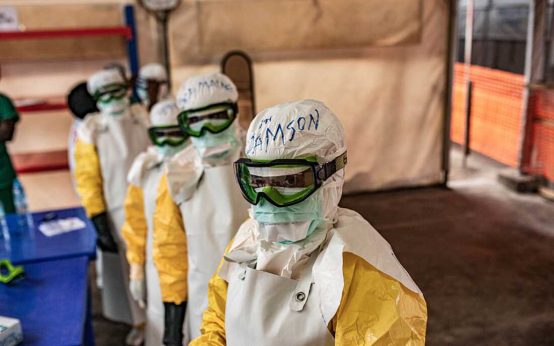 Ebola Outbreak in Africa: A Serious Concern
  60 Minutes Correspondents Decide to Stay Amid Crisis
  AI Impact: How AI Search is Transforming Professional Services and IT Budgets
  The Critical Role of Magnets in Modern Drone Warfare
 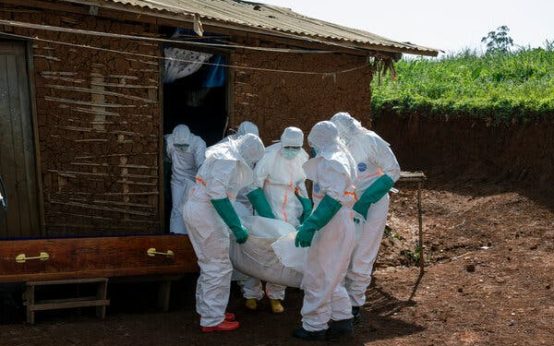 Gold and the Ebola Outbreak in Congo’s Mining Towns