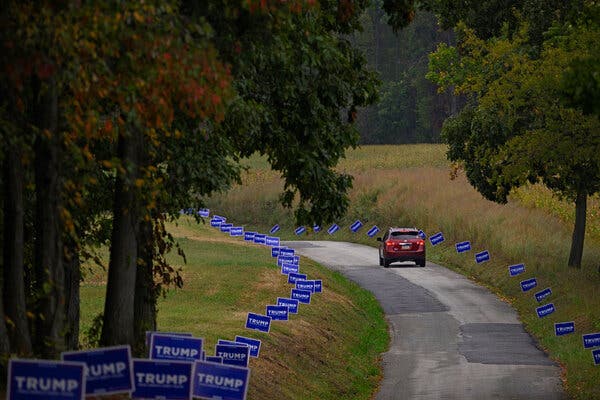
In the era of Trump’s presidency, the term ‘guardrails’ has become synonymous with efforts to control his administration’s actions. Concerns about the administration’s trajectory have led many to reflect on the limitations of these metaphorical guardrails.
Kamala Harris, during her campaign for the presidency in 2024, emphasized the vulnerabilities tied to Trump’s governance by pointing out the lack of effective guardrails. Media personalities, like a host from MSNOW, have voiced worries about the weakened structure meant to restrain Trump’s executive power during his second term.
The notion of guardrails evolved significantly from Trump’s first term, shifting the conversation from questioning the feasibility of his decisions to seeking ways to halt potential overreach. While the idea suggests that historic wisdom, attributed to figures such as James Madison, has predetermined paths of safety for the nation, reality often tells a different story.
Physical guardrails, like those found in hospitals or along highways, serve to protect the vulnerable and prevent risky behaviors. However, metaphorical guardrails require active participation; they demand citizens to become proactive barriers themselves, stepping beyond spectating in a political landscape often lacking robust protection.
 U.S. Military Awaits Pentagon’s Clarification on Troop Levels in Europe
  Xavier Becerra Advances in California Governor Race
 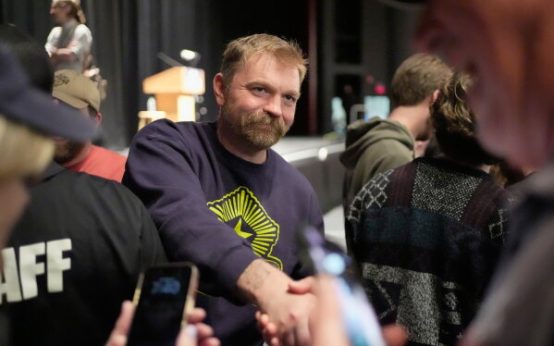 Graham Platner’s Campaign Amid Controversy
 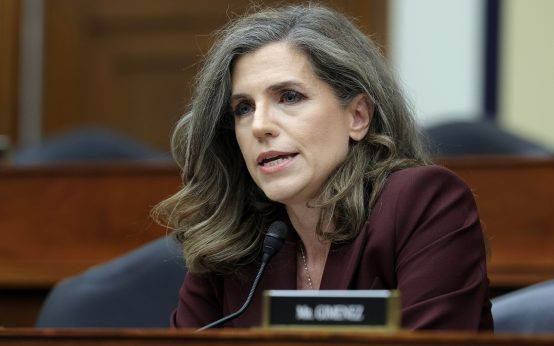 South Carolina GOP Primary Heats Up as Trump Endorses Evette
 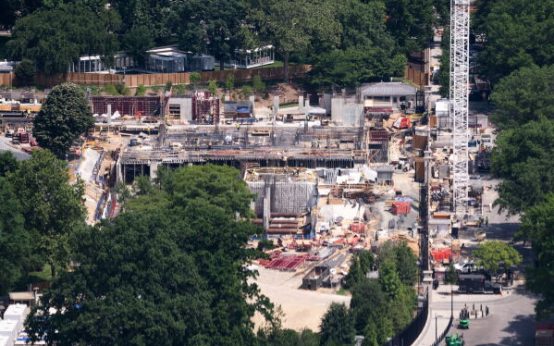 Federal Judge Overturns Trump-Era Immigration Policy
 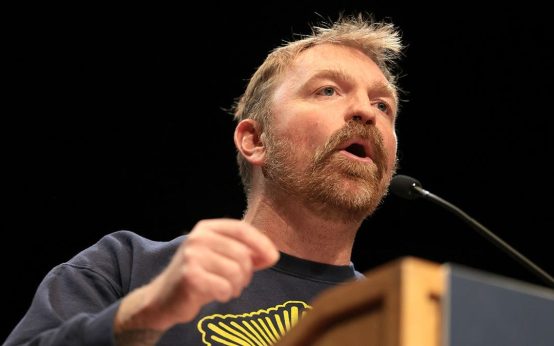 Controversies Challenge Graham Platner’s Senate Campaign in Maine