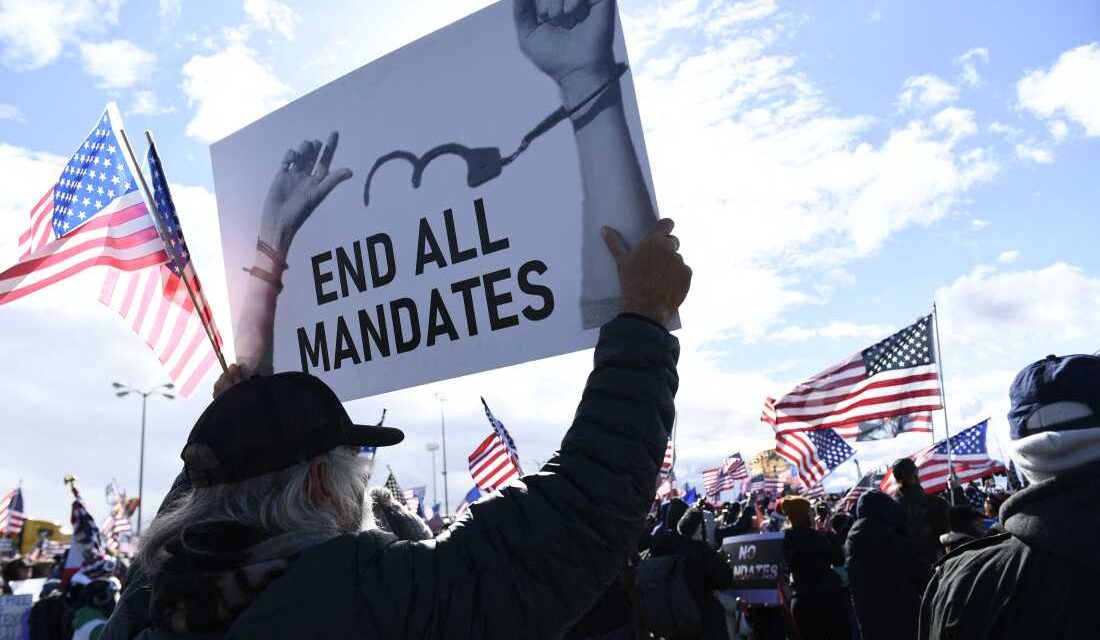
In early 2022, demonstrators, including truckers, gathered in Adelanto, California. They voiced their opposition to COVID-19 vaccine and mask mandates. This protest highlights broader concerns over public health measures across the U.S.
Americans express worries about potential health threats like hantavirus and Ebola. However, state and local health officials currently have diminished authority to manage disease outbreaks compared to the COVID-19 era.
Many jurisdictions have weakened their public health powers following criticism of policies like lockdowns, school closures, and vaccine mandates during the pandemic. Lawrence Gostin, a Georgetown University public health law professor, notes the backlash mainly in conservative states and considers it part of national concerns over perceived government overreach.
During the Trump administration, the Centers for Disease Control and Prevention (CDC) faced budget cuts and increased oversight. Yet, states hold most public health powers, and over half have altered their state and local authorities. These changes hinder the response to health emergencies, leaving the country in a weaker stance post-COVID-19. Gostin points out that states such as Alabama, Virginia, and Louisiana, among others, have enacted new laws that impose restrictions on declaring public health emergencies.
Dr. Georges Benjamin from the American Public Health Association expresses worry that new legislative controls over health emergencies may hamper public health efforts. Some local policies, like those in Kansas and Utah, severely limit traditional health tools, such as quarantining individuals who might be infected.
Elizabeth Platt of Temple University indicates that these legislative changes might lead to confusion among public health entities. Understanding the extent of available authorities could take time, a crucial factor in emergency responses, as demonstrated during the pandemic.
In reaction to COVID-19 mandates, states like Florida, Oklahoma, and Texas have rolled back mask mandate authority, and others have limited vaccination and gathering restrictions. Dr. Benjamin compares these limitations to constraining police authority during severe weather.
Additionally, many state and local health departments face staffing and funding cuts. Heightened harassment and threats during COVID-19 have left some health officials hesitant to act, while others opposing previous pandemic measures have taken charge.
There’s a recognition that some changes aim to enhance trust and accountability following criticism of COVID-19 measures. James Hodge from Arizona State University acknowledges building accountability into restrictive public health measures.
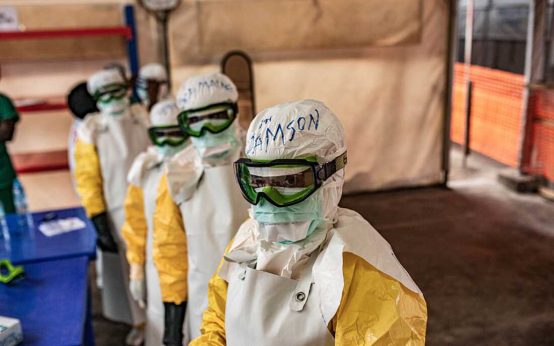 Ebola Outbreak in Africa: A Serious Concern
 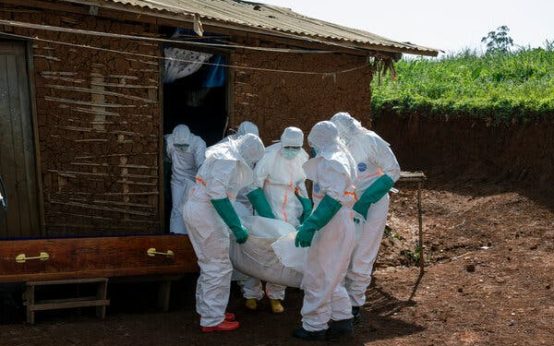 Gold and the Ebola Outbreak in Congo’s Mining Towns
 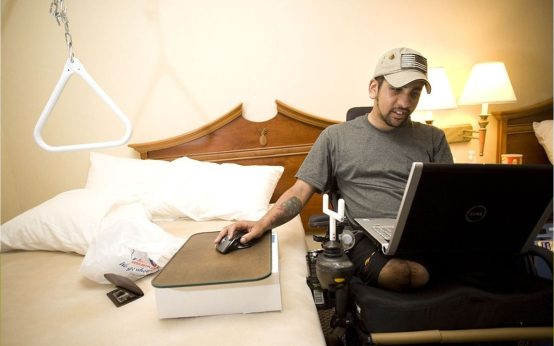 House Passes Bill for Veterans’ Benefit Increase
 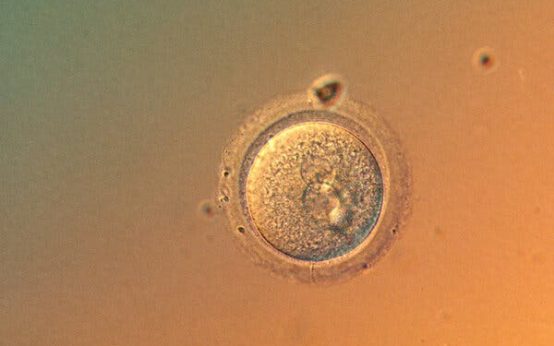 Gene Editing in Human Embryos at Columbia University
 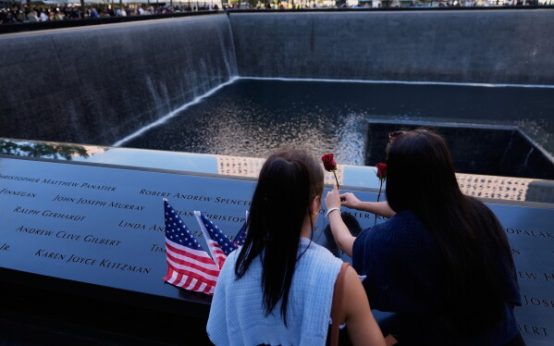 Melinda French Gates Commits $215 Million for Global Women’s Health
 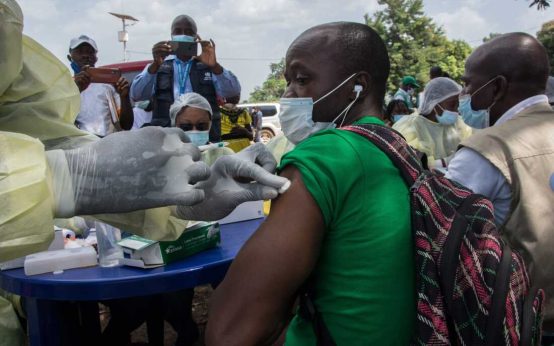 Efforts to Develop a Vaccine for the Bundibugyo Species of Ebola