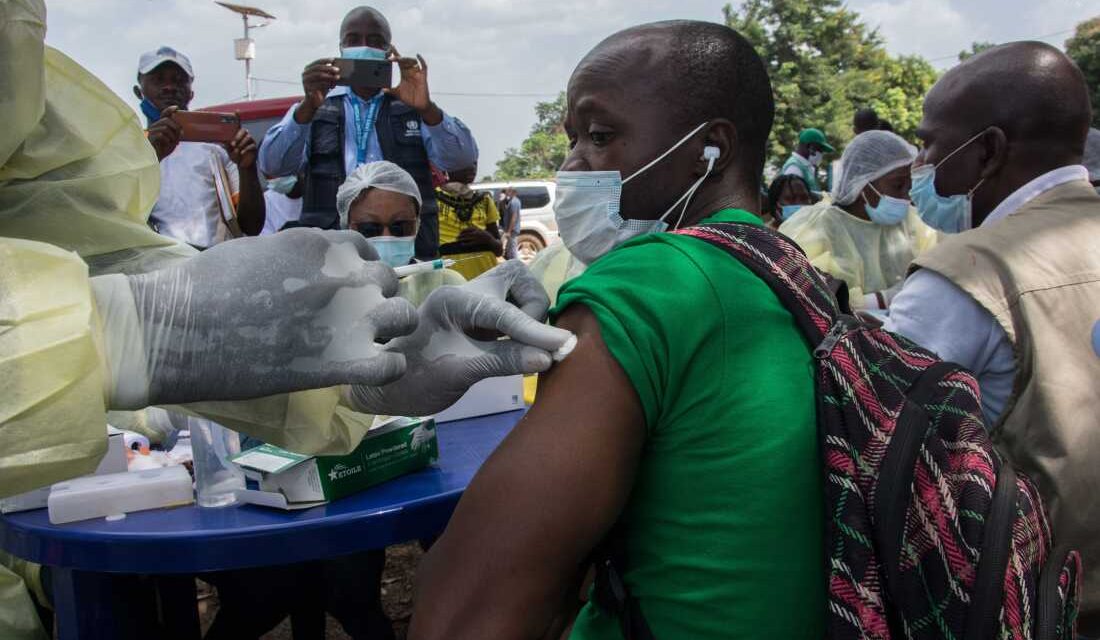
In February 2021, a health worker in Gueckedou, Guinea prepared to administer an anti-Ebola vaccine amidst an outbreak in the area. The first Ebola vaccine became available in 2019. It was designed for a strain different from the one spreading in the Democratic Republic of Congo (DRC) and Uganda now.
The approved vaccine, Ervebo, may not be very effective against the Bundibugyo strain. Researchers have not yet developed specific vaccines or treatments for this variant. To address this gap, global non-profits are investing over $100 million to expedite a Bundibugyo vaccine. The Coalition for Epidemic Preparedness Innovation (CEPI) has pledged roughly $62 million. This funding will speed up research and help develop three potential vaccines.
Gavi, a global vaccine alliance, has allocated an additional $40 million. Their goal is to create a market for the vaccine, provided it proves effective. Nicole Lurie, CEPI’s executive director, emphasized the importance of matching vaccines to specific Ebola strains.
We need to accelerate vaccine development due to the urgency of this outbreak.
The Bundibugyo strain’s rapid spread has prompted investigations into potential vaccines. Despite the funding boosts, results will take months. The outbreak in the DRC is one of the largest, and a new vaccine could be crucial.
Anaïs Legand from the WHO highlighted the commitment to advance candidate vaccines, noting that they require clinical trials. These trials need to comply with ethical guidelines, with discussions ongoing about conducting them.
The US previously played a vital role in Ebola research. However, recent changes in policy have altered its participation. In 2014, the US National Institute of Allergy and Infectious Diseases (NIAID) partnered with affected countries to fast-track vaccine trials. Elizabeth Higgs, now working with WHO, stated that alternative global networks are stepping up to address current challenges.
Current Vaccine Development Efforts
Three organizations are receiving funds from CEPI. IAVI, the University of Oxford, and Moderna are each working on their vaccine candidates. Each candidate varies in its progress and potential for approval.
IAVI will receive up to $3.2 million. Their vaccine is among the most advanced in testing, using a vesicular stomatitis virus (VSV) to train the immune system to identify Bundibugyo. Researcher Thomas Geisbert has shown its effectiveness in monkeys.
IAVI’s doses are insufficient for larger trials, with production taking several months. The University of Oxford’s candidate may be ready faster. With up to $8.6 million in funding, a partnership with the Serum Institute of India could yield doses within a month.
CEPI’s support for Moderna, totaling up to $50 million, aims to develop an mRNA vaccine similar to their prior success with other Ebola strains. The approach’s rapid development timeline is promising.
Challenges in Clinical Trials
Testing these candidates involves trials in the DRC or Uganda, regions affected by the Bundibugyo strain. The conflict in northeast DRC complicates efforts, with misinformation and distrust prevalent. Laurie from CEPI noted these obstacles, emphasizing community engagement to ensure trial success.
Engaging communities and organizations is essential for testing these vaccines.
Efforts are underway to prepare rigorous, swift assessments of vaccine safety and efficacy. WHO advisor Elizabeth Higgs highlighted the ongoing preparations for these trials.
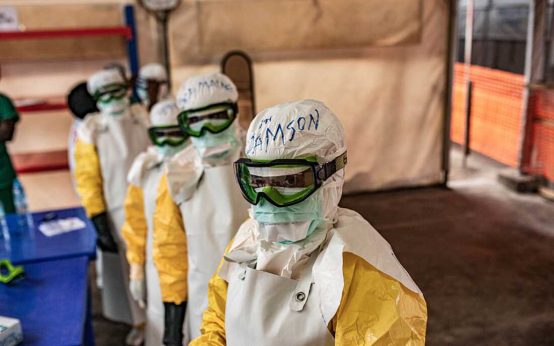 Ebola Outbreak in Africa: A Serious Concern
 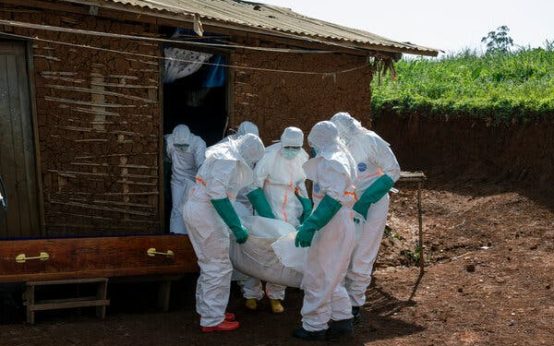 Gold and the Ebola Outbreak in Congo’s Mining Towns
 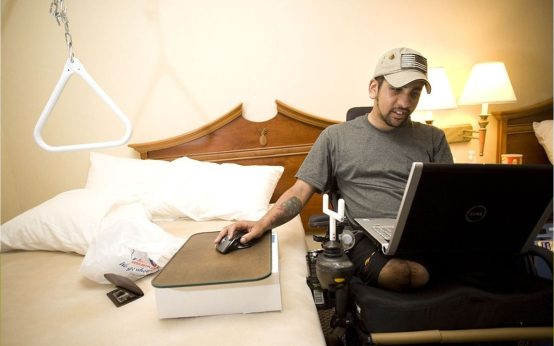 House Passes Bill for Veterans’ Benefit Increase
  Gene Editing in Human Embryos at Columbia University
  Melinda French Gates Commits $215 Million for Global Women’s Health
  Impact of Reduced Public Health Authority Post-COVID-19