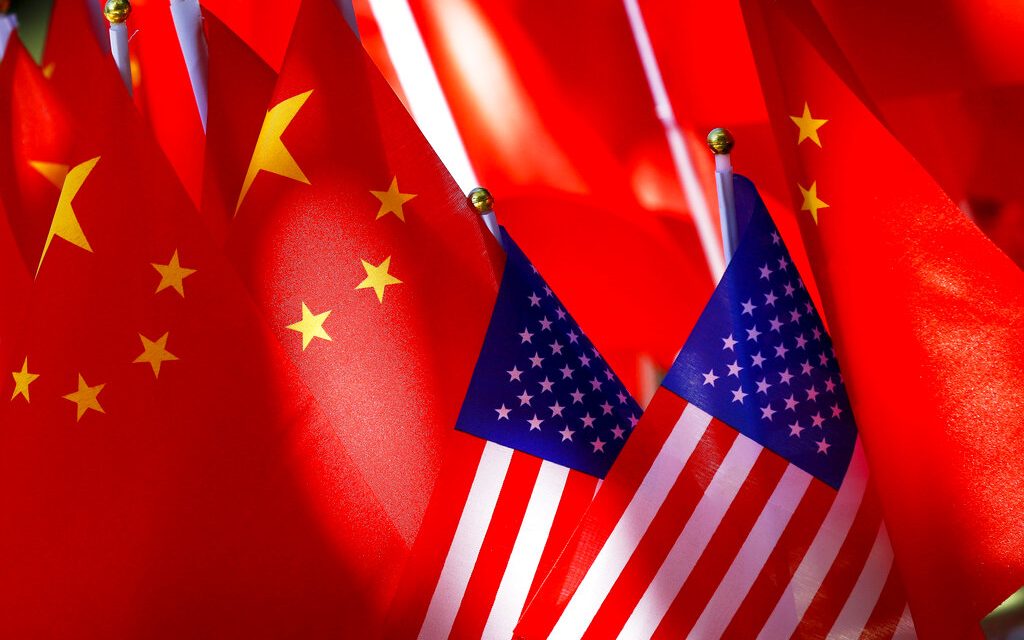
In recent years, the National Defense Authorization Act has taken on a crucial role in countering China’s military and technological ambitions. This year’s defense bill addresses a pressing issue at home: the inadequate disclosure of foreign funds entering American universities and the associated risks.
America’s higher education system is vital for national security. These institutions educate scientists and engineers, conduct government-funded research, and create innovations that can provide a battlefield edge. However, these strengths also make them targets for foreign governments seeking influence and access to sensitive research. China is a primary concern, as it views higher education as a strategic asset.
Congressional investigations have highlighted the risks. The House Select Committee on Countering the Chinese Communist Party and the House Education and Workforce Committee found that substantial taxpayer-funded research in the U.S. contributed to China’s military and technological progress through joint research ventures. Concerns were raised about collaborations in fields like artificial intelligence and quantum technology, along with university ties to Chinese institutions with defense links.
Transparency in foreign funding goes beyond research security. Contributions and partnerships can create dependencies and obscure conflicts of interest, giving foreign entities influence within universities. While a single relationship may seem manageable, patterns across a university system can reveal broader issues that policymakers need to address. Current disclosure systems fail to provide this comprehensive view.
Section 117 of the Higher Education Act mandates that colleges report foreign gifts over $250,000 from a single source annually. This threshold appears significant, yet the reality differs. From 2019, after stricter enforcement began, universities disclosed around $6.5 billion in previously unreported foreign funds. Many with Confucius Institutes revealed unreported Chinese funding. Recent disclosures reaffirm this issue, showing $405 million linked to entities on U.S. government watchlists and restricted lists, including Huawei.
In response, Congress considers stricter disclosure requirements in the defense bill. Proposed changes would lower the reporting threshold to $50,000 and demand full disclosure for specific countries like China and Russia. Enhanced enforcement and public access to foreign funding data are also in discussion. These measures aim to provide a clearer view of foreign funds in U.S. higher education.
Effective data use involves comparison against existing risk indicators, such as export-control restrictions and defense-related lists. This would enable the government to assess risks before universities become reliant on obscure foreign funding.
Importantly, these new requirements won’t prevent foreign students from attending American institutions. Nor will they limit lawful study or academic exchanges in the U.S. The focus is solely on disclosure—detailing foreign gifts, contracts, partnerships, and terms. This distinction ensures that openness to global talent, an American strategic advantage, is maintained while securing against hidden risks.
Transparency maintains open academic exchange while identifying relationships that pose risks. It’s crucial for the defense bill to address foreign money influencing universities as part of broader measures to counter China’s influence. The aim isn’t to isolate American campuses but to ensure transparency about who seeks access.
Craig Singleton is a senior fellow at the Foundation for Defense of Democracies and a former U.S. diplomat.
 Arrests Amid Alleged Damage to Lincoln Memorial Reflecting Pool
  Washington Post Challenges Justice Department’s Reporter Subpoenas
  Supreme Court Supports Trump Administration in Immigration Ruling
  South Carolina Gubernatorial Runoff: Polls Indicate Strong Support for Alan Wilson
  Andy Burnham’s Leadership Bid: Transition in UK Politics
  Majority of Brits Now Regret Brexit, Survey Reveals