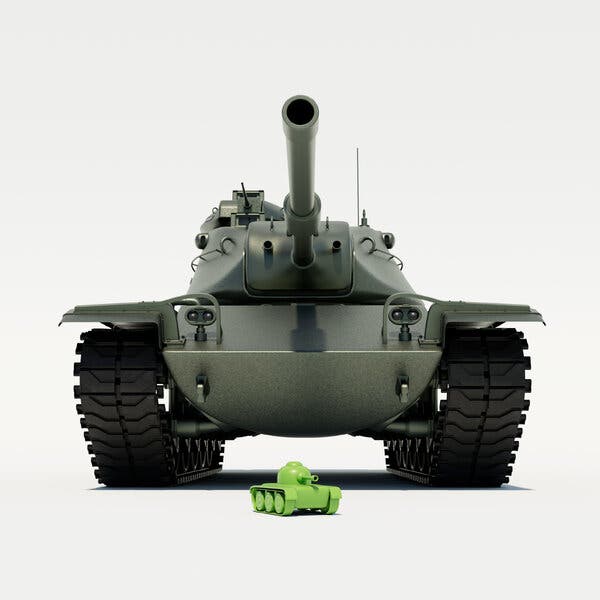
Small states under the protection of great powers can develop in unexpected ways. They may become strong militarily but lack strategic discipline. This imbalance arises because they rely on external support for their security, such as arms, guarantees, and diplomatic interventions. With time, strategic skills may deteriorate, leading to a reliance on force over diplomacy.
Israel exemplifies this condition. Its recent attack on Iran, conducted with the United States, aimed to reinforce Israel’s regional dominance. However, the outcome highlights Israel’s limitations. Iran’s infrastructure sustained damage, yet its regime remains intact and potentially more resilient. The memorandum of understanding between the United States and Iran demonstrates that the de-escalation terms were defined by those two nations, underscoring the constraints of Israel’s influence. Israel’s capability to engage militarily alongside the United States does not extend to controlling the terms of conflict resolution. This reliance signifies a deeper dependency on the U.S. than admitted by Israeli leaders.
For many years, Israel has projected an image of self-reliance, yet it operates within a framework heavily supported by American resources. The rhetoric of independent defense underpins substantial U.S. military assistance, including $3.8 billion annually, weapons, and intelligence sharing. Despite this dependency, Israel maintains the narrative of standing alone in times of conflict.
 Record-Breaking Heatwave Sweeps Europe
  Dr. Nasser Mohamed: Campaigning for Love and Freedom
 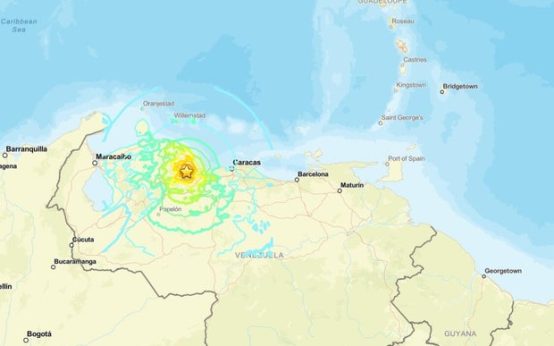 Powerful Earthquake Hits Northwest Venezuela
  Powerful Earthquakes Rock Venezuela, Causing Widespread Damage
 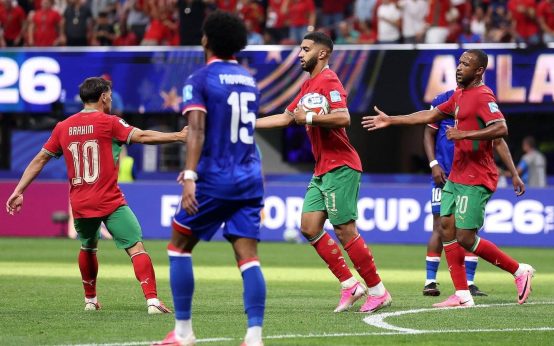 Morocco Battles Haiti in World Cup Group C Conclusion
  Survivors Challenge Pentagon’s Account of Iranian Drone Attack