On June 22, 2026, British Prime Minister Keir Starmer announced his resignation. This decision comes less than two years after leading the Labour Party to a landslide victory in the general elections. Starmer pledged an ‘orderly transition’ with a new prime minister expected by September or sooner. His resignation follows months of public unrest regarding economic issues and slow progress on handling illegal immigration.
Focus on Successor
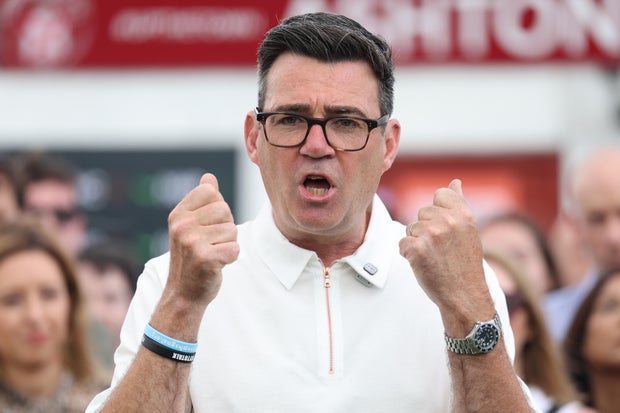
Attention is now on Andy Burnham, considered a likely successor. Although a Labour Party leadership contest remains possible, senior members seem eager to rally around Burnham. Until recently, Burnham served as the Mayor of Manchester and resigned to win a parliamentary seat in Makerfield.
Burnham’s victory in Makerfield, a working-class area that supported Brexit, is significant. It signals Labour’s potential to recover ground in traditional heartlands, where support has shifted to right-wing parties like Reform UK, led by Nigel Farage.
Andy Burnham’s Profile
Burnham has criticized Starmer’s leadership while building his own profile. Known as ‘Keir Starmer with a Northern accent’ by some Conservative critics, his policy differences from Starmer are not entirely clear.
Burnham has cautioned against adopting U.S.-style polarized politics. Although he has portrayed himself as an outsider, he is experienced in national politics, having served in former Labour governments and as an MP before becoming Manchester’s mayor.
Challenges and Support
His ‘King of the North’ reputation stems from advocating regional devolution and clashing with the Conservative government over financial support during COVID-19. Supporters value his relatable style, contrasting it with Starmer’s more formal approach.
Critics highlight his inconsistent views on immigration and Brexit. Previously supportive of rejoining the EU, Burnham has since distanced from that stance. His plans, if he becomes leader, remain uncertain. He might avoid drastic policy shifts, which could be seen as undemocratic since Starmer secured Labour’s return to power.
Path to Premiership
In Britain, citizens elect local MPs, not the prime minister directly. Thus, changing a party leader, who is often the prime minister, is feasible without a general election, if the party views them as a liability. Recently, several leaders have changed this way, without elections. If Burnham assumes office, he will be the seventh prime minister within a decade.
Burnham’s advocates believe his support in Labour’s heartlands and fresh profile could either secure another electoral win or protect from potential defeat in the next elections, due by 2027. Nonetheless, early elections risk losing parliamentary majority.
Potential Contenders
While Burnham is a leading candidate, Wes Streeting was considered another possible contender. However, Streeting quickly endorsed Burnham post-Starmer’s announcement, bolstering Burnham’s potential leadership bid.
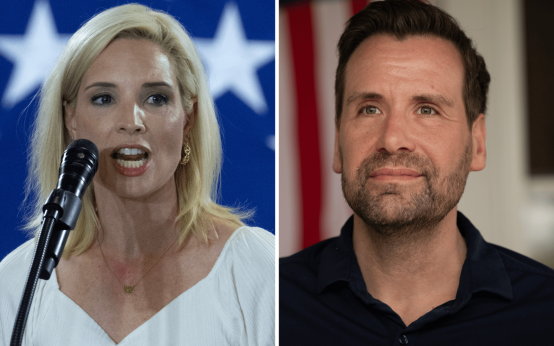 Iowa Senate Candidate Josh Turek Leads in Polls Against Ashley Hinson
 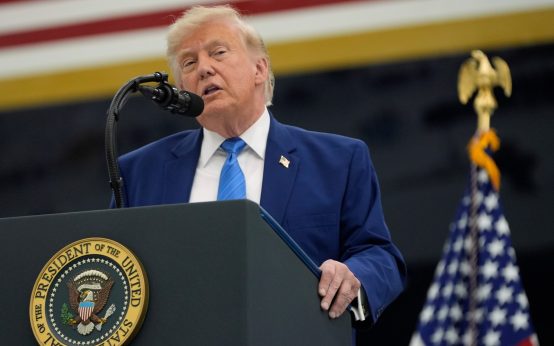 Judge Blocks Federal Voter Database Initiative
 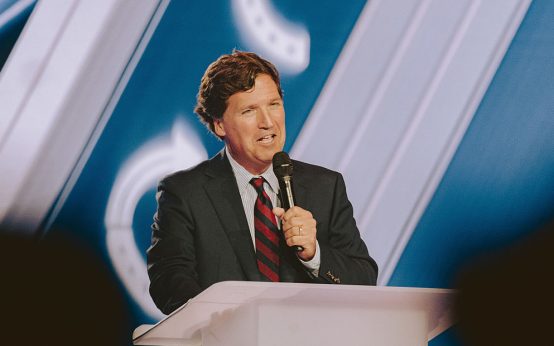 Tucker Carlson’s Break with the GOP
  Spanish Leader’s Former Ally Sentenced to 24 Years in Prison
  Jeffrey Donaldson Convicted of Child Sex Abuse
  Judge Quashes Trump’s Subpoenas Against Minnesota Officials