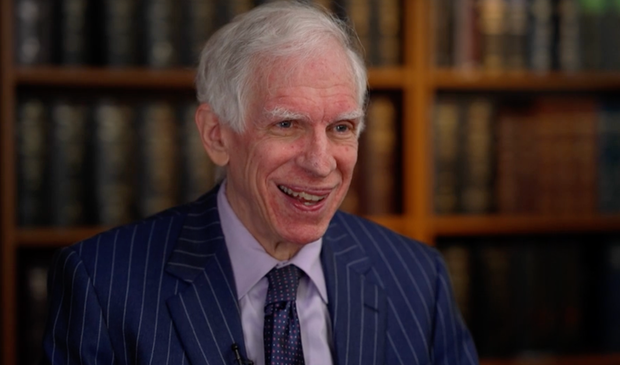
Justice Arthur Engoron faced unexpected events while walking his dog early on January 11, 2024. Seeing police lights, he realized they were near his home due to a bomb threat. The New York Supreme Court judge confirmed the presence of his family and evacuated them. Hours later, he resumed duty in court, facing Donald Trump, the most prominent defendant in U.S. history.
The trial’s conclusion was intense. Trump’s civil fraud trial included frequent outbursts, countless objections, and political maneuvers. Despite instructions, Trump made his own closing argument. Now retired, Engoron shared his reflections with CBS News, discussing his career and the trial’s impact on public discourse regarding judges.
“I believe some may hesitate to become judges due to increased threats,” Engoron noted, referring to the environment that prompted the U.S. Marshals Service to request more security funding from Congress.
Engoron experienced numerous threats, including antisemitic and homophobic harassment, as well as receiving a threatening white powder package. He described a man confronting him at the gym recently with vulgar language.
Engoron characterized the primary challenge for judges: “We cannot fight back. That comes with the territory, regardless of the insults.” Despite intense public opinions, he never let personal attacks affect his decisions.
The courtroom scene was strained. Trump and his supporters harshly criticized Engoron, labeling him with derogatory terms. Engoron drew a line when Trump targeted his staff. Trump publicly focused on Engoron’s law clerk, necessitating additional security measures.
Engoron imposed a gag order on Trump, later seen in other cases against the former President. He had not previously needed such an order to protect his staff. Despite the heightened profile from the case, Engoron fondly reflected on the recognition he received.
Engoron, now senior counsel at Phillips Nizer LLP, misses the role of a judge. “Being a judge is the greatest job. You contribute to society, set precedents, and gain respect,” he remarked.
Amid the trial, the judge faced accusations of media favoritism. Critics like New York Rep. Elise Stefanik accused him of pandering to the press. Engoron dismissed these claims, viewing them as inconsequential.
Engoron’s courtroom style allowed extensive discussion, believing more information reduced chances of reversal. His strategic approach ensured thorough considerations of all sides. Yet, his written opinions remained stern, aiming for clarity in presenting facts and laws.
Engoron’s decisions declared Trump and his associates liable for fraud before the trial’s onset, resulting in substantial financial penalties. Although an appeals court later removed the penalties and upheld the fraud finding, appeals continue from both sides.
Engoron remains observant of ongoing appeals but remains focused on his efforts. “I aimed to be fair, ruling similarly for each side,” he stated, believing his tenure resulted in a positive experience.