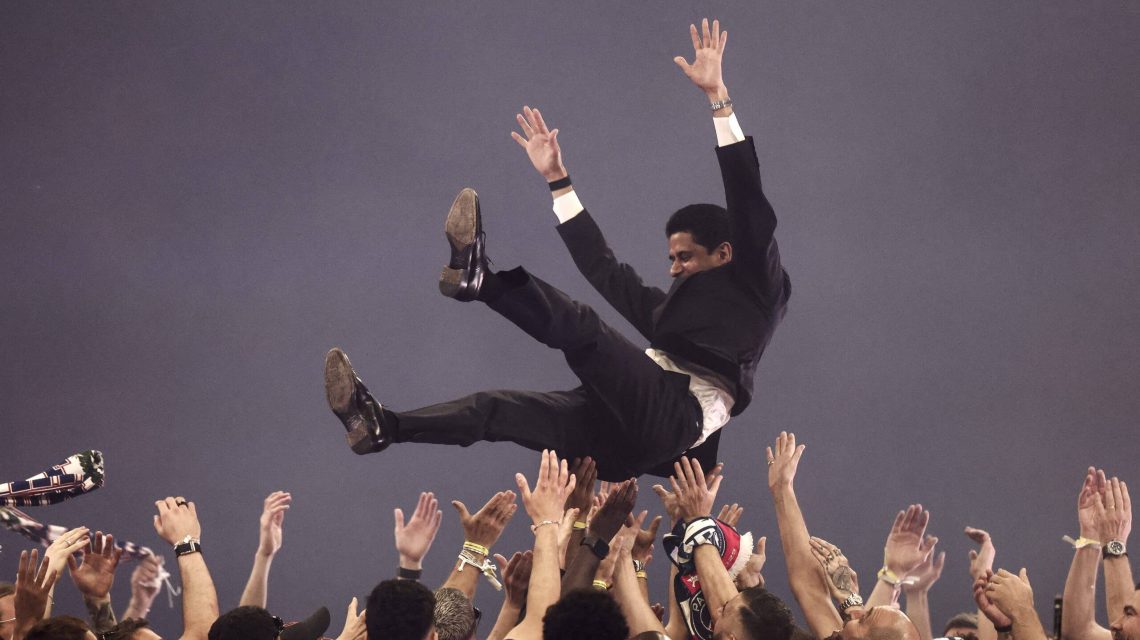
Paris Saint-Germain (PSG) ranks as one of the most formidable teams in Europe and perhaps globally. Their playing style captivates audiences, with full-backs that could easily transition into wingers in other squads. Watching their midfield during warm-ups offers entertainment that rivals many entire matches elsewhere. Ousmane Dembele has evolved from an injury-prone winger to a Ballon d’Or-winning striker. Desire Doue’s blend of speed and skill excites fans, while Bradley Barcola, who would start in most Champions League teams, struggles to find playtime at PSG. Khvicha Kvaratskhelia dazzles with agility and speed, making him a thrilling player to watch.
PSG’s performances in this season’s Champions League showcase fast, attacking football rich in goals. Their style blends structure with vulnerability, avoiding complete predictability while delivering delight to spectators. This play makes them likable on many fronts.
But their association with Qatar Sports Investments (QSI) complicates perceptions.
Qatar Sports Investments acquired PSG in 2011, soon after Qatar was chosen as the 2022 World Cup host. Criticisms of Qatar’s motives include sportswashing and seeking geopolitical influence. QSI aimed to enhance Qatar’s image by revamping an underachieving European club in a prime location.
From a football standpoint, the strategy succeeded. PSG clinched 12 of the last 14 French titles and claimed the previous season’s Champions League. They are favorites for the 2025-26 title, set to face Arsenal in the final.
Financially, the investment paid off. QSI bought PSG for around €70 million. In 2023, Arctos’s purchase valued PSG at approximately €4.25 billion. This transformation marks a significant journey.
Initially, PSG under QSI focused on building a brand more than a cohesive team. In interviews, Nasser Al-Khelaifi, QSI and PSG chairman, emphasized branding over football-related goals. They sought high-profile players rather than team synergy, redesigned their logo to highlight Paris, and aligned with Nike and Jordan brands. Celebrity appearances became common at Parc des Princes.
The strategy extended beyond Paris. Al-Khelaifi celebrated a PSG store opening on London’s Oxford Street, highlighting their retail ambitions. They eyed stores in Japan, Korea, and the U.S., focusing on global brand presence rather than immediate football success.
Recent years saw a shift toward team-building, bringing in talents like Dembele, Doue, Barcola, and Kvaratskhelia. The long-term aim is a squad predominantly comprised of PSG academy graduates and French players. Yet, only two of last season’s Champions League final starters were French, neither homegrown. Nonetheless, PSG fields a dynamic team worth watching.
International awareness of Qatar has grown, influenced by PSG and the World Cup. This knowledge comes with an awareness of Qatar’s darker aspects, including treatment of migrant workers, limited rights for women and LGBTQI individuals, and restrictions on freedom of expression. From a geopolitical perspective, PSG serves as a tool for Qatar.
The notion of state-owned football clubs raises ethical considerations. While most clubs face moral questions, PSG’s state ties set them apart. Despite any moral conflicts fans may feel about state-owned clubs, PSG’s on-pitch brilliance, led by players like Vitinha, Joao Neves, and Kvaratskhelia, remains captivating.
Eventually, it comes down to personal choice. Whether scrutinizing Newcastle United’s Saudi connections, Manchester City’s ties with Abu Dhabi, or Chelsea’s past under Roman Abramovich, PSG stands as the most successful state-operated football endeavor to date.
 Federal Judge Overturns Trump-Era Immigration Policy
 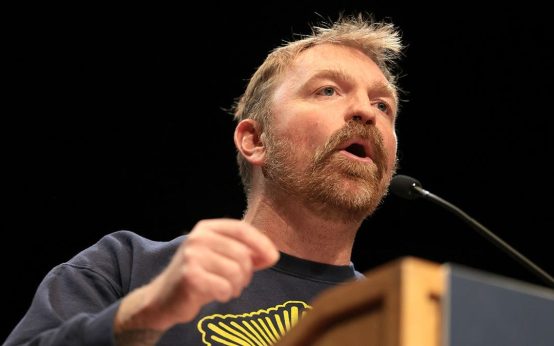 Controversies Challenge Graham Platner’s Senate Campaign in Maine
 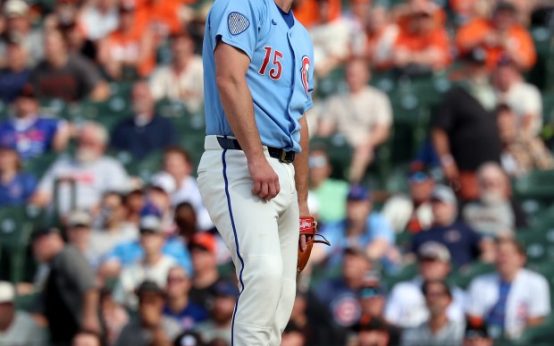 Chicago Cubs Struggle Despite Brief Optimism After Rally
 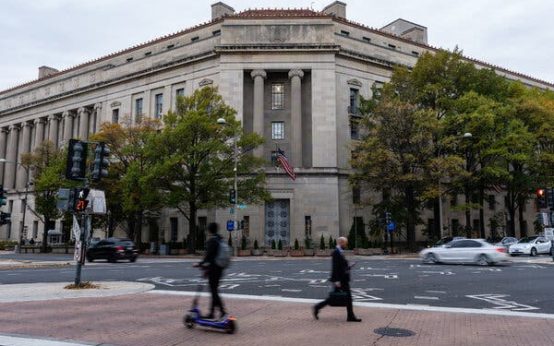 Justice Department Withdraws Plan for $1.8 Billion Fund
  Democratic Concerns Grow Ahead of Maine Senate Primary
  Knicks Fans Rally Across the Nation for NBA Finals Glory