
Over 40 million people in the United States and Canada rely on the Great Lakes for their drinking water. Unfortunately, each glass of treated water from these lakes contains microplastics. These are tiny pieces of plastic made from toxic chemicals that have been linked to cancer and other diseases.
Fish from the Great Lakes, key to Midwestern cultural events like fish fries and fish boils, are also contaminated. This affects the diets of Indigenous tribes, certain immigrant populations, and communities of color. Despite the pollution, there are no regulations in place to control it.
In the face of this, manufacturers plan to increase plastic production in the United States. The Chicago Tribune is focusing on this issue, particularly on the Great Lakes, the world’s largest fresh surface water source.
Industry executives, when questioned about pollution, often shift the blame to consumers. They employ strategies similar to those used by Big Tobacco. This finding comes from a Tribune review of numerous government, scientific, and industry documents.
This coverage, supported by the Pulitzer Center’s StoryReach U.S. initiative, will explore how plastic waste spreads in the Great Lakes, investigates health risks, and looks at possible solutions.
Sherri Mason, a researcher at Gannon University, studies plastic pollution. On May 1, 2026, in Erie, Pennsylvania, she was found picking up plastic pellets. These are pieces just larger than a grain of rice, scattered where they are moved from rail cars to trucks before reaching local manufacturers.
The Tribune analysis found that industries press for more plastics production while minimizing associated risks. Many leading companies downplay plastic dangers and exaggerate recycling capabilities. This investigation continues as part of an ongoing series.
 Limited Interest in Arctic National Wildlife Refuge Oil Auction
  Confronting the Truth Behind Sustainability Buzzwords in the Food Industry
  The Aftermath of Santa Rosa Island’s Fire
  Largest Seizure of Illegal Cockroaches in Australia
 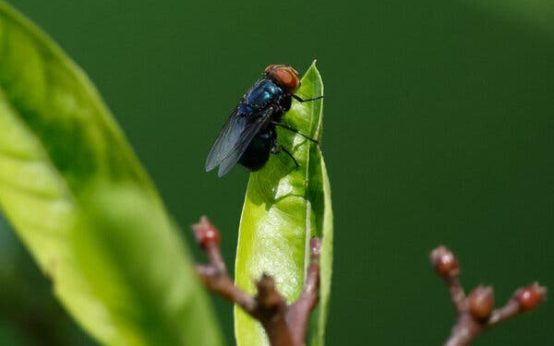 Flesh-Eating Fly Returns to the United States Causing Concern
 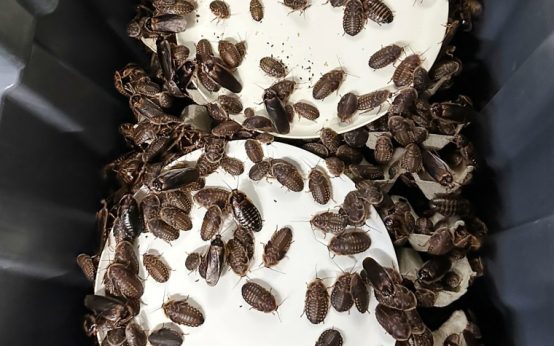 Australia’s Largest Seizure of Exotic Invertebrates: Over 100,000 Cockroaches Confiscated