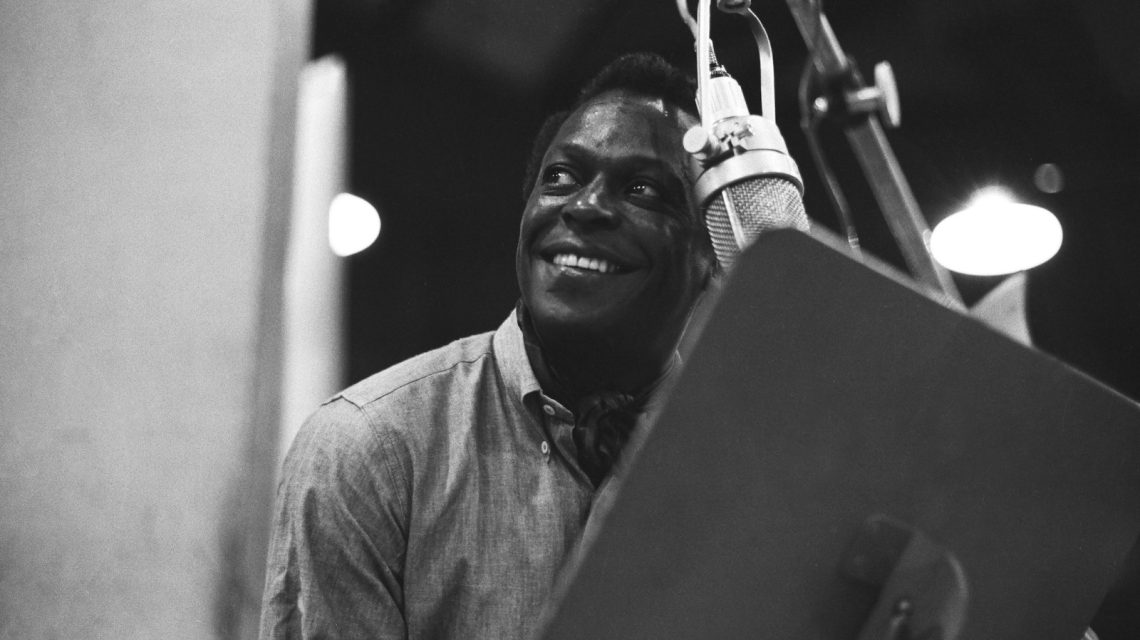
Miles Davis stands out as a distinctive figure who blended musical genius with a bold persona. Known for his significant contributions to jazz, he continues to resonate with music enthusiasts. Born Miles Dewey Davis III, he emerged from a background rich in cultural history. His mother, a music teacher, and his dentist father supported him in his musical journey.
Like many, ‘Kind of Blue’ was my introduction to Miles Davis’s world. The album showcased his talent and influence, marked by its harmonious beauty and innovative improvisations. It offered a peaceful escape, much like the serene tones from his trumpet.
Miles Davis’s role in twentieth-century American creativity extends beyond just his music. He played crucial parts in the development of bebop, cool jazz, hard bop, and jazz fusion, connecting with artists like Charlie Parker, Dizzy Gillespie, Thelonious Monk, and John Coltrane. He even joined forces with cultural icons like Prince.
Fashion was also an integral part of Davis’s identity. He adapted to trends over the decades, from sharp suits to vibrant outfits. His choices reflected the freedom and individuality he represented as both an artist and cultural influencer.
Miles Davis lived through significant moments in American history, experiencing racial tensions firsthand. He embodied confidence at a time when racial pride was often met with violence and discrimination. Davis was a man of strong conviction, unafraid to speak out, which sometimes led to controversial encounters with law enforcement.
His physical presence matched his artistic innovation. Known for his distinctive raspy voice, attributed to a throat surgery, Davis’s iconic style extended to his demeanor and public persona.
Recently, Jazz at Lincoln Center celebrated Davis’s legacy with a tribute led by Wynton Marsalis. The event explored Davis’s influential works from the late 1950s and early 1960s, reaffirming his lasting impact. His music still captures the imagination, enriching audiences long after his passing.
However, the complexities of Davis’s life include troubling aspects. His autobiography revealed occurrences of violence against women, sparking important dialogues about acknowledging artistic genius alongside moral failings. Pearl Cleage’s work, ‘Mad at Miles’, underscores the tension women feel when forced to reconcile admiration with the reality of abuse.
The duality of Davis’s legacy invites reflection. While his musical contributions remain inspiring, the painful facets of his personal life, including domestic abuse, cannot be ignored. These insights prompt a broader consideration of how culture and artistry intersect with personal accountability.
As we observe significant milestones, both for this country and Davis’s enduring legacy, we are reminded of the necessity for cultural introspection. His story teaches us about the potential for both wonder and wrongdoing, urging us to strive for genuine alignment between artistic expression and ethical living.
 YouTuber Shares Difficult Decision After Trisomy 21 Diagnosis
  The Changing Dynamics of Celebrity Reputation in 2026
  Robbers Sentenced for Theft of Romanian Treasures from Dutch Museum
  YouTuber Sparks Debate Over Abortion Rights and Down Syndrome
  Taylor Swift’s Return to Country with ‘Toy Story 5’ Song
  Celebrate America’s 250th Birthday with Commemorative Products