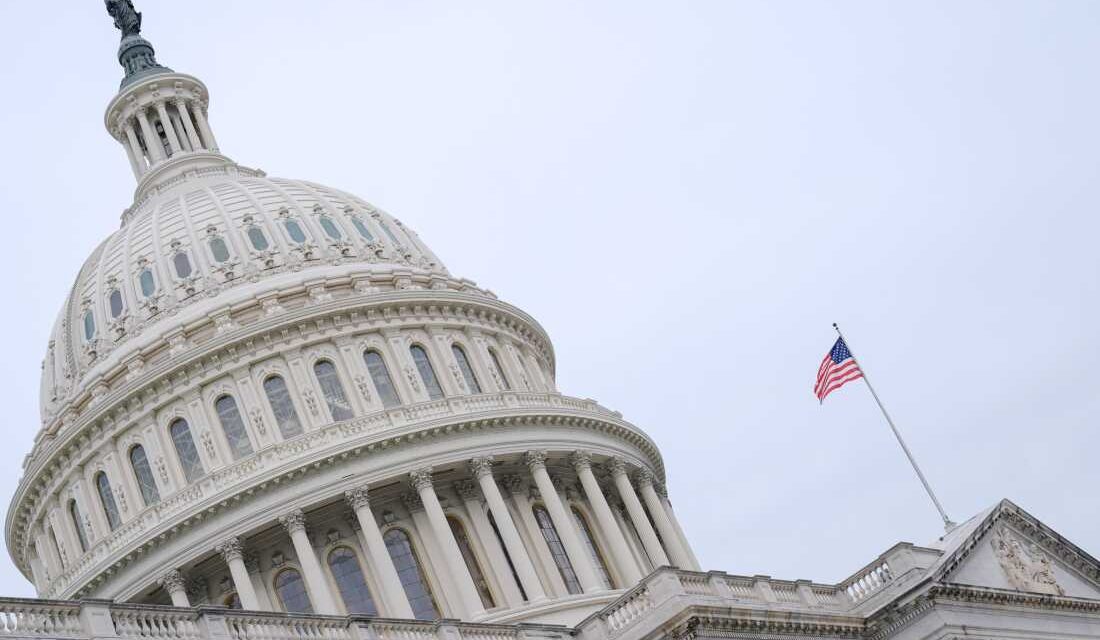
On Wednesday, the Senate Commerce Subcommittee questioned officials from the sports betting industry during a hearing that highlighted recent cheating allegations, marketing strategies, and regulatory issues. Recent scandals involving athletes fixing games for profit and growing concerns over marketing practices were central topics.
Committee Chair Ted Cruz (R-Texas) raised critical issues: “How do we maintain the integrity of sports? And are prediction markets operating within the law, or are they infringing on state rights?” Cruz cited incidents like MLB pitchers accused of accepting bribes to alter game outcomes and UFC fights canceled due to match-fixing suspicions. He stressed the importance of collaboration between sports leagues, casinos, and regulators to detect and eliminate manipulation.
Lawmakers also scrutinized the advertising methods of prediction market companies, such as Kalshi and Polymarket. These platforms allow bets on topics ranging from celebrity comments to geopolitical events. Sen. John Hickenlooper (D-Colo.) expressed concern about social media ads targeting young people vulnerable to gambling problems. However, Patrick McHenry, a former congressman and adviser for the Coalition for Prediction Markets, emphasized that these sites ban users under 18, with the average age being 33. Sportsbooks mandate a minimum age of 21 for bettors.
The sports betting industry has expanded significantly, legal in 39 states plus D.C., following a 2018 Supreme Court decision. The American Gaming Association reported a record revenue of $16.96 billion for 2025. Nonetheless, recent cheating scandals and growing concerns about gambling addiction led to calls for more industry scrutiny.
Harry Levant, director of gambling policy at the Public Health Advocacy Institute, outlined addiction issues to the subcommittee. He highlighted his personal experiences with gambling problems, noting, “This is a human issue involving an addiction crisis that requires attention.” Conversely, Bill Miller, CEO of the American Gaming Association, highlighted the stringent regulation of online gambling and its economic significance.
Recently, Minnesota became the first state to ban prediction markets, sparking a potential legal confrontation with the Trump administration. According to the National Conference of State Legislatures, twelve states have proposed legislation to regulate these platforms.
“In casinos, the house sets the odds and profits from customer losses,” said McHenry in defense of prediction markets. “In prediction markets, participants trade among themselves, with the platform earning transaction fees, not from losing bets.” He argued for federal oversight of prediction markets as financial products rather than gambling services.
 Justice Department Withdraws Plan for $1.8 Billion Fund
 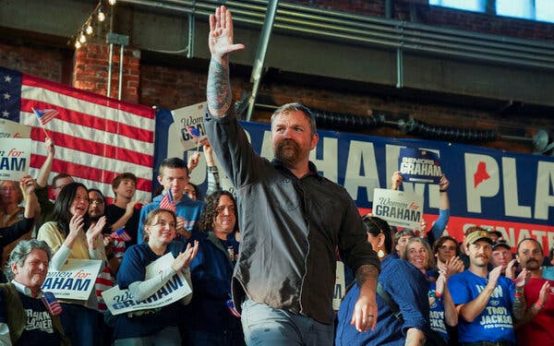 Democratic Concerns Grow Ahead of Maine Senate Primary
  Latin American Deportees in Congo: Return to Home Countries Amid Challenges
  Federal Judge Invalidates Trump-Era Immigration Policy
  Debate Over White House Ballroom Construction
  Scrutiny Surrounds Graham Platner Amid Maine Senate Primary