
Senator Bill Cassidy Loses Reelection
Senator Bill Cassidy, a two-term Republican from Louisiana, has lost his reelection bid after voting to convict former President Trump following the January 6 insurrection at the Capitol. This decision was a pivotal point in his political career. Louisiana’s Senate primary on Saturday outlined Trump’s ongoing influence over the Republican party.
President Trump actively opposed Cassidy’s reelection by endorsing challenger Julia Letlow, encouraging supporters to vote against Cassidy. Trump voiced his dissatisfaction with Cassidy’s actions in a Truth Social post, labeling his lack of loyalty as legendary, and remarked on Cassidy’s political downfall.
The Associated Press reported Cassidy finished third in the three-way race; Letlow and state Treasurer John Fleming advanced to a runoff scheduled for June 27.
In acknowledging his defeat, Cassidy hinted at a change in his approach, stating he wouldn’t contest the election results. He emphasized the importance of focusing on the present and future, redirecting voters away from past grievances about the 2020 election.
Despite his efforts, many primary voters viewed Cassidy’s vote to convict Trump as betrayal, causing his political career to suffer significantly. Trump’s endorsement played a crucial role in deciding voter preferences, as indicated by views from voters such as retired sheriff deputy Kevin Dupree who remarked that he could no longer trust Cassidy.
Julia Letlow has connected with voters, meeting supporters at events across Louisiana, highlighting her alignment with Trump’s ideals.
Trump’s Campaign of Retribution
Senator Cassidy is the first Republican senator who Trump helped unseat. Trump’s campaign to end the careers of Republicans who broke ranks included targeting former Representatives Liz Cheney and Marjorie Taylor Greene. Cheney lost reelection, and Greene resigned. Trump exerted influence in Indiana, altering the political landscape by successfully targeting GOP state senators involved in redistricting efforts.
Of the seven Republican senators who voted to convict Trump, four decided to retire rather than run for reelection. As the political climate remains tense, Senator Susan Collins from Maine faces reelection without a primary challenge, while Senator Lisa Murkowski of Alaska retained her seat in 2022 under Alaska’s nonpartisan primary system.
In Louisiana, Republican Governor Jeff Landry aimed to modify the open primary system, limiting Democrat involvement in Republican primaries.
The next test for Trump’s influence will occur in the Kentucky primary, where Rep. Thomas Massie faces competition from a Trump-endorsed candidate.
Primary Voter Preferences
Senator Cassidy’s reelection bid highlights the desires of Republican primary voters as they navigate expectations from their representatives. Cassidy’s experience includes service as a physician and as chair of the Senate health committee. Conversely, his opponent, Julia Letlow, represents a millennial perspective and unwavering loyalty to Trump’s agenda.
Supporters like Republican activist Denice Skinner voiced the importance of Trump’s endorsement, valuing the former president’s determination to work with Letlow.
During his tenure, Cassidy claimed credit for billions in funding to Louisiana through legislation like the Bipartisan Infrastructure Law, contrasting with Letlow’s critique that Cassidy turned away from Trump’s supporters.
Previously, Letlow embraced diversity and inclusion initiatives, but in Congress she aligned with Trump’s policies, promoting legislative efforts such as the ‘Parents Bill of Rights Act’ to grant parents greater control over educational content.
While Trump’s endorsement was reiterated on Saturday, he acknowledged both Letlow and Fleming as commendable candidates.
Future of Senator Cassidy
Senator Cassidy’s vote to convict Trump marked a shift; despite supporting some of Trump’s agenda and trying to maintain a cooperative stance, he faced opposition for aiding controversial nominations, like that of Robert F. Kennedy to a government position.
Freedom from a reelection campaign may prompt Cassidy to become a more vocal critic of Trump, mirroring Sen. Thom Tillis’ journey. Tillis voiced strong opposition to certain legislative measures and became a significant critic of Trump’s administration.
At a supporter event, Cassidy discussed the principles guiding his politics, advocating for a government focused on collective welfare rather than individual control. He stressed the importance of adhering to constitutional values, arguing that leadership should prioritize serving the public interest.
 Latin American Deportees in Congo: Return to Home Countries Amid Challenges
 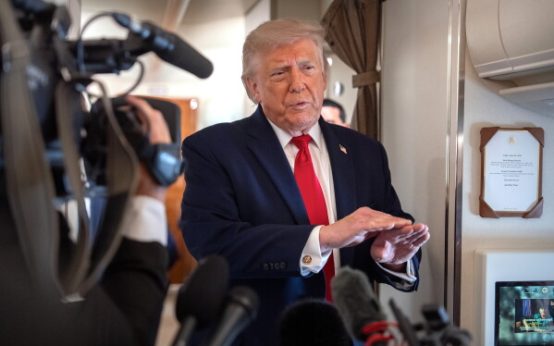 Federal Judge Invalidates Trump-Era Immigration Policy
  Debate Over White House Ballroom Construction
 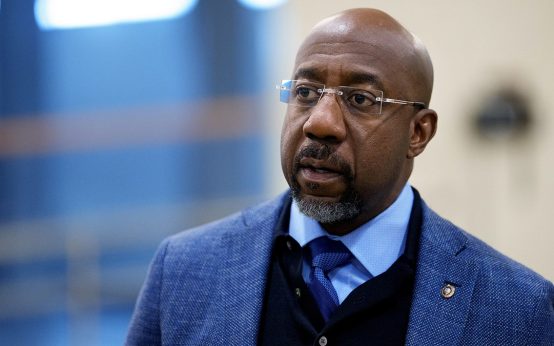 Scrutiny Surrounds Graham Platner Amid Maine Senate Primary
 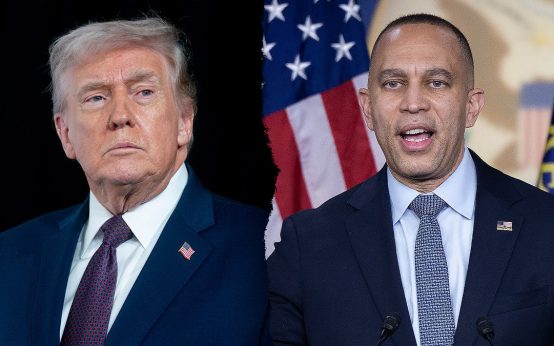 Trump’s Attendance at NBA Finals Sparks Mixed Reactions
  Graham Platner’s Controversial Senate Campaign in Maine