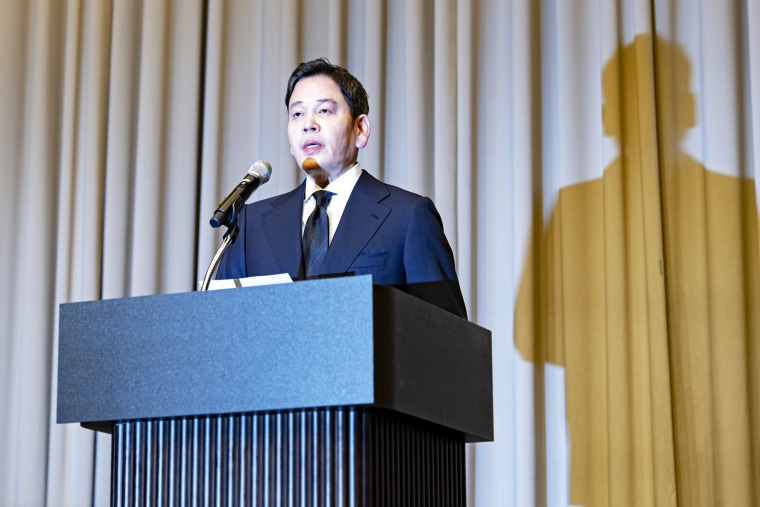
On May 26, 2026, the head of Starbucks in South Korea issued another apology amid ongoing public outrage. The controversy centers around a marketing campaign perceived as disrespectful to the nation’s pro-democracy movement. Starbucks, operating in South Korea since 1999, planned to launch a large drink tumbler named a “tank” on May 18, marking “Tank Day.” This date coincides with the commemoration of a 1980 military crackdown in Gwangju, where many democratic activists were killed or injured by troops, tanks, and helicopters.
The campaign slogan, “Thwack it on the table,” also drew criticism. It reminded many of a 1987 police claim concerning the death of student activist Park Jong-chol, who they alleged died suddenly after officers “hit the desk with a thwack.”
Chung Yong-jin, chairman of the Shinsegae Group that holds a majority stake in Starbucks Korea, publicly expressed his remorse. During a televised statement, Chung bowed three times and emphasized the importance of remembering societal sacrifices. He urged the public not to direct their anger at Starbucks employees. Chung’s recent apology follows an earlier one and the dismissal of Starbucks Korea CEO, Sohn Jeong-hyun, due to the campaign’s inappropriateness.
Public officials have also endorsed boycotts. The interior minister announced that the government would not support companies trivializing South Korean history. A recent protest in Gwangju saw demonstrators smashing Starbucks cups outside a store. President Lee Jae Myung also condemned the campaign as disgraceful, emphasizing fundamental human rights and democracy.
With South Korea nearing local elections, media professor Kim You Kyung noted the poor timing of the campaign. He remarked that Starbucks is beloved in the country, heightening public disappointment. Despite this, the Shinsegae Group has yet found no evidence of intentional disrespect towards the pro-democracy movement. However, three employees refused to surrender their phones during the investigation. Five employees involved in the campaign have been removed, and the company is cooperating with police investigations following complaints from the victims’ families.
The Democratic Party noted Chung’s apology as necessary but insufficient, demanding transparency in the investigation. Conversely, the People Power Party criticized the backlash as “consumer censorship,” highlighting consumer reactions to a separate incident involving a South Korean actor’s dismissal linked to a Starbucks photo.
Despite political debates, many agree the controversy represents a valid public outcry. Professor Kim called it a reminder for global brands of the need for cultural and historical awareness. Kim Young Jin, a 24-year-old student, supported Starbucks’ apology but critiqued the extreme public reaction. He stated that the campaign wouldn’t deter him from visiting Starbucks, adding that appealing prices and tastes maintain customer loyalty.
This report was developed with input from Stella Kim in Seoul and Jennifer Jett in Hong Kong.
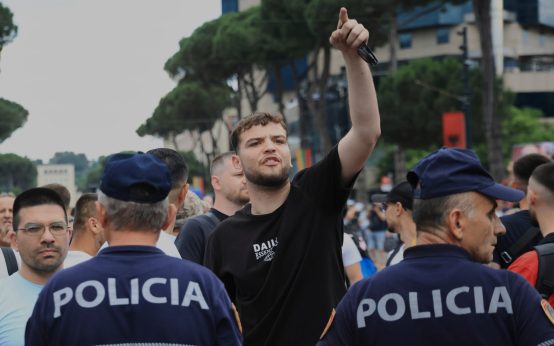 Protests Erupt in Albania Over Resort Development
 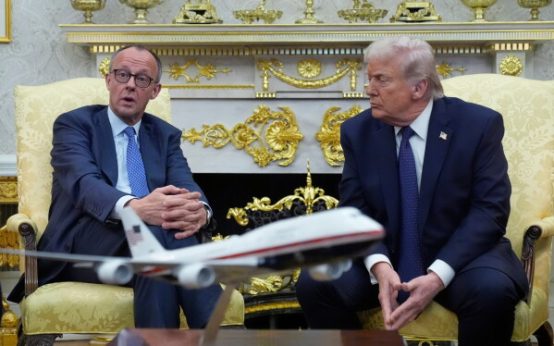 Clarity Sought on U.S. Troop Levels in Europe Amid Policy Changes
 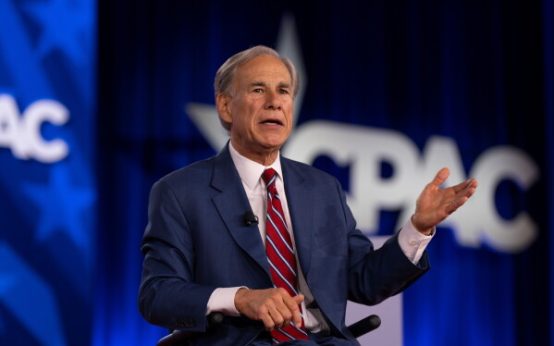 U.S. Military Awaits Pentagon’s Clarification on Troop Levels in Europe
 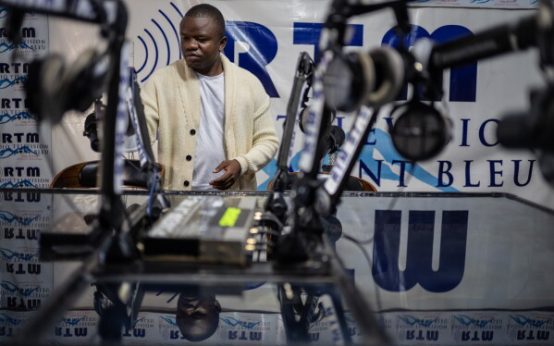 Potential Ebola Outbreak in Central Africa Raises Concerns of Rapid Spread
 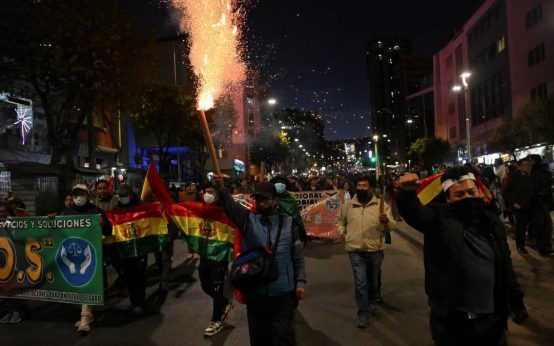 U.S. and Allies Condemn Efforts to Overthrow Bolivian Government
 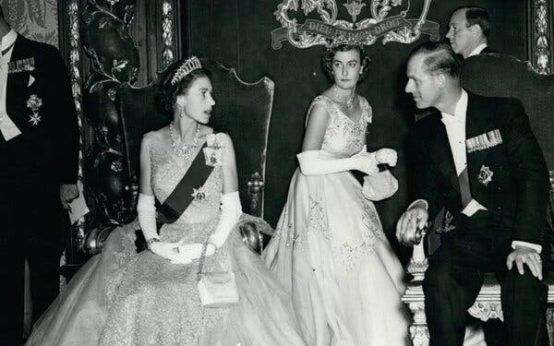 Pamela Hicks: Cousin, Bridesmaid, and Witness to History