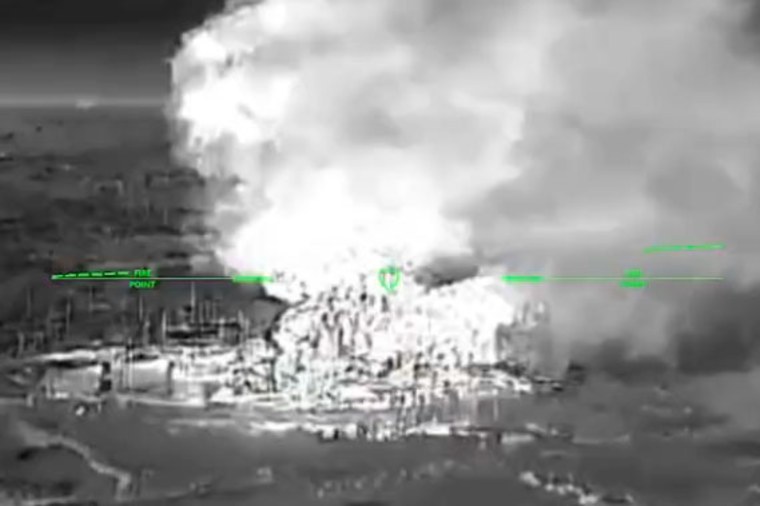
The recent escalation of drone strikes by Ukraine is creating a tense situation on the Russia-annexed Crimean Peninsula. This tactical maneuver has led to significant fuel shortages and power outages, adding pressure on Moscow. According to Robert Brovdi, the commander of Ukraine’s drone forces, these strikes are intended as a “psychological breaking point” for the Russian government.
Ukraine’s objectives are clear: disrupt supplies and weaken Crimea’s infrastructure. For several weeks, Ukrainian forces have targeted a vital highway that connects the peninsula with the mainland, worsening the fuel crisis. Footage shared by Brovdi shows an oil depot in Kerch, Crimea engulfed in flames. Fuel sales to civilians have been halted, with reserves being allocated exclusively for essential services.
Crimea, annexed by Russia in 2014, has been a strategic military hub. However, its proximity to Ukraine and the latter’s advanced drone technology make it vulnerable to attacks. The ongoing fuel shortage since mid-May has been exacerbated by strikes on the ‘Novorossiya’ highway, vital for military and civilian supplies.
It will never be the same again.— Robert Brovdi
Sergey Aksyonov, Crimea’s Russia-installed leader, confirmed that civilian gas sales are suspended. Furthermore, Ukrainian drone attacks recently claimed the lives of four individuals and left 28 injured in Kerch. This has created a challenging situation for the local population.
Ukrainian President Volodymyr Zelenskyy stated that the oil depot and logistics facilities have been targeted deliberately. Power outages are another consequence, although officials attribute them to technological disruptions without direct reference to drone strikes. In the city of Sevastopol, streetlights are switched off and outdoor events curtailed as vital measures take precedence.
The turmoil is impacting Crimea’s tourism sector, a hotspot for visitors from Russia. Summer camps have halted admissions. Brovdi emphasized the necessity of disrupting military operations to eventually demilitarize Crimea, urging civilians to steer clear of military zones.
Crimea will topple Moscow. — Robert Brovdi
The assertion that Crimea will be a decisive factor may be somewhat optimistic. Michael Clarke, a professor at King’s College London, notes that Ukraine isn’t likely to reclaim Crimea imminently. Nevertheless, he argues that Crimea is a significant leverage point in the broader conflict.
The situation poses a problem for the Kremlin. Complaints over the government’s response to the crisis are rising, within Moscow and beyond. Kremlin spokesman Dmitry Peskov mentioned efforts to mitigate the “negative consequences” of Ukraine’s actions. President Vladimir Putin has criticized Ukraine’s drone strikes on civilian targets as attempts to destabilize Russian society.
In the public sphere, the lack of a robust response to Ukraine’s actions has drawn scorn from Russia’s influential military bloggers. Static conditions persist on the ground elsewhere, stymying diplomatic resolutions. Amid these challenges, U.S. President Donald Trump has indicated a renewed focus on the conflict in Ukraine.
Should Ukraine succeed in isolating Crimea, it would significantly strengthen its position in any potential negotiations following a ceasefire. Clarke suggests this would intensify the pressure on Putin if Crimea, a symbolic stronghold, continues to experience hardship.
 Cristiano Ronaldo Makes History with Goals in Six World Cup Tournaments
  Mexico’s World Cup Hosting Sees Unexpected Calm in Cartel Violence
  Mexico Plans to Resume Oil Shipments to Cuba Through Private Companies
  Majority of Brits Now Regret Brexit, Survey Reveals
  Strait of Hormuz Remains Open Amid U.S.-Iran Negotiations
  Catholic Church Faces Schism Over SSPX Bishop Ordination