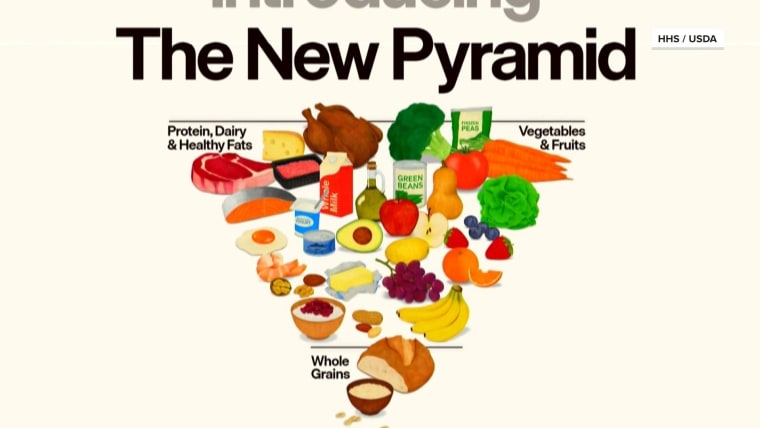
If you’re pondering which diet is superior for cardiac health—low-fat or low-carbohydrate—take comfort in the latest findings. New research indicates that healthy versions of both diets are associated with a minimized risk of atherosclerosis, a prevalent form of heart disease. This long-term observational study involved nearly 200,000 adults.
Participants on low-fat and low-carb diets, abundant in plant foods, whole grains, and unsaturated fats, were shown to have a reduced risk of coronary heart disease. Coronary heart disease manifests when plaque builds up in the heart’s arteries, restricting the flow of oxygen-rich blood to the heart muscle. This obstruction can lead to chest pain, heart attacks, or even cardiac arrest, where the heart ceases to function properly.
Conversely, diets high in refined carbohydrates and animal-based fats or proteins were linked to an elevated risk of heart disease. These findings were published in the Journal of the American College of Cardiology. According to Dr. Qi Sun, the lead study author and a nutrition and epidemiology expert at the Harvard T.H. Chan School of Public Health, it is imperative to focus on the quality of the diet rather than the macronutrients like fats or carbs.
“It’s the quality of your diet that matters,” said Dr. Qi Sun.
The research specifically zeroed in on coronary heart disease, thus the conclusions might not be applicable to conditions such as heart failure or arrhythmias. The study incorporated contributions from scholars at Harvard, Kuwait University, MIT, and other institutions. They evaluated the self-reported eating patterns of health professionals in databases originating from the 1970s and 1980s, such as the Nurses’ Health Study and the Health Professionals Follow-Up Study.
Upon omitting those with a history of diabetes, cardiovascular disease, or cancer, the team studied nearly 198,473 individuals. Participants provided diet questionnaires biennially to quarterly. Researchers categorized the dietary adherences into total, healthy, unhealthy, animal-based, or plant-based, assessing compliance in each domain.
Over 30 years of follow-up, 20,033 cases of confirmed coronary heart disease were documented. Adherence to a healthy low-carb diet correlated with a 15% decreased risk, while a healthy low-fat diet followed closely with a 13% risk reduction. These diets emphasized provisions like whole grains, fruits excluding juices, vegetables without potatoes for low-carb, and plant-based proteins and fats, with fewer fats for the low-fat diet.
Kristina Petersen, an associate professor in nutritional science at Penn State, noted these reductions are significant for lifestyle changes even though she wasn’t involved in the study.
A concerning 14% increased risk was noted among those on the unhealthiest low-carb diet compared to a lower but still unhealthy low-carb diet. Similarly, unhealthy low-fat diets increased heart disease risk by 12%. Unhealthy diets largely depended on refined grains and animal proteins and fats.
Dr. Clyde Yancy from Northwestern University underscored the robustness of the study, citing its extensive duration and meticulous segmentation of low-fat and low-carb diet subtypes. Unlike many studies solely relying on subjective questionnaire responses, this study analyzed blood samples from over 11,000 subjects. The metabolite analysis corroborated the primary findings, allowing for more trustworthy results since metabolites don’t lie, according to Dr. Sun.
Dr. Dariush Mozaffarian emphasized the importance of the quality of food in diminishing heart disease risk rather than focusing solely on macronutrient composition. Nutrient-dense foods such as fruits, vegetables, nuts, whole grains, and legumes took precedence over those rich in added sugars, saturated fats, and salts, according to Kristina Petersen.
However, the research had its constraints. Although adjustments were made for variables like physical activity, smoking habits, family history, and body mass index, the adjustments were not flawless. Additionally, as study participants were health professionals with better healthcare access, the results might not universally apply.
The study findings support some dietary guidelines while contradicting others, such as endorsements for red meat and full-fat dairy that include saturated fats like butter. Petersen noted that animal-centric low-carb diets, laden with fatty meats and butters, might increase coronary heart disease risks. Individuals combining quality meals, exercise, non-smoking habits, and risk management of blood pressure and cholesterol could reduce heart disease risks including heart attacks dramatically, Yancy noted.
Contributed by Barbara Mantel, this research adds to a growing body of evidence suggesting dietary quality significantly impacts heart health.
 Mount Sinai Health System Faces Subpoena on Gender-related Care
  Potential Ebola Outbreak in Central Africa Raises Concerns of Rapid Spread
  Researchers Escorted Out of Diabetes Conference for Criticizing Trump Administration
  Ebola Outbreak in Africa: A Serious Concern
  Gold and the Ebola Outbreak in Congo’s Mining Towns
  House Passes Bill for Veterans’ Benefit Increase