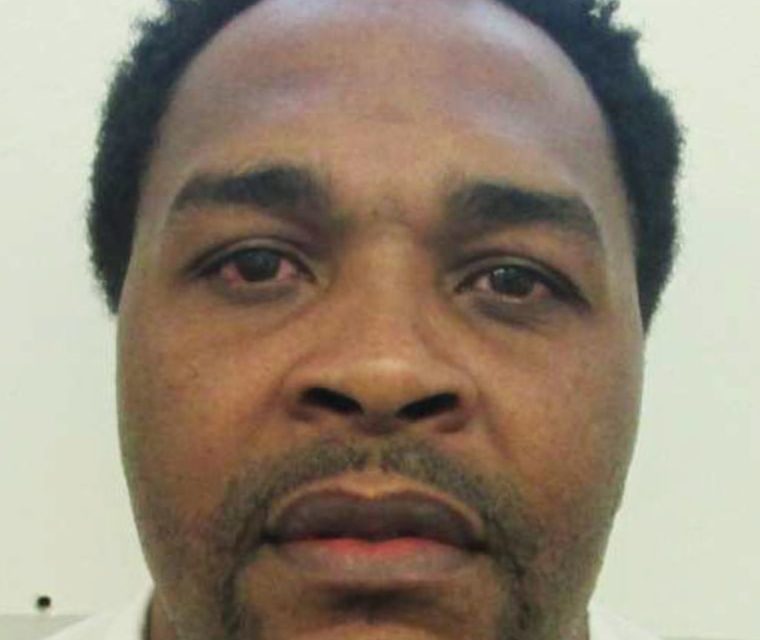
The Supreme Court on Thursday night rejected Alabama’s attempt to execute a prisoner, Jeffery Lee, using nitrogen gas. This decision followed two lower court rulings that determined the method violated the constitutional ban on cruel and unusual punishment.
The state had filed for an emergency order as Lee’s execution was scheduled for 6 p.m. that day. Justices Clarence Thomas, Samuel Alito, and Neil Gorsuch expressed dissent, indicating they would have supported the state’s request to proceed with the execution.
Jeffery Lee was convicted for the murders of two individuals during a 1998 pawnshop robbery. Although spared from execution via nitrogen, Alabama has the option to pursue alternative methods, though the timeline remains uncertain. Neither the state nor Lee’s legal team has responded to comments on the ruling.
Legal Challenges and Court Decisions
The central question in Lee’s legal challenge revolved around the state’s authority to execute him using nitrogen gas. Initially, a federal district judge in Alabama ruled the method constitutional. Lee’s legal team appealed, and the 11th U.S. Circuit Court of Appeals later reversed the decision. The appeals court found that nitrogen executions likely breached the Eighth Amendment’s prohibition on cruel and unusual punishment and suggested examining the feasibility of a firing squad execution.
After rulings from both the district and appeals courts favored Lee, Alabama sought an emergency order from the Supreme Court. The high court has upheld other execution methods, such as lethal injection and electrocution, but nitrogen gas is new and controversial.
Controversy Over Nitrogen Hypoxia
Nitrogen hypoxia involves prisoners inhaling nitrogen through a mask, depriving them of oxygen. Alabama described the process as “humane, painless, effective, and reliable.” Opponents, including the American Thoracic Society, argue the method causes severe suffering. Witnesses have reported distressing scenes, including gasping and struggling for air during previous executions.
In a related case, Justice Sonia Sotomayor, joined by Justices Elena Kagan and Ketanji Brown Jackson, highlighted what they saw as the brutality of nitrogen executions. They emphasized the need for more humane alternatives, pointing to the option of death by firing squad as a quicker, less torturous method.
Continued Legal and Ethical Debates
Alabama has conducted seven nitrogen executions, and Louisiana has used the method once. The state mostly relies on lethal injections, although sourcing the necessary drugs has become increasingly challenging.
Lee expressed a preference for death by firing squad, a method not presently legal in Alabama. Convicted in 2000 for killing Jimmy Ellis and Elaine Thompson, and attempting to murder Helen King, Lee described feeling remorseful and has turned to Christianity during his time on death row.
State Attorney General Steve Marshall insists on following through with Lee’s execution, asserting the necessity of justice for the victims. However, Lee’s lawyers have requested Governor Kay Ivey to commute his sentence, citing that Lee’s death sentence came despite a jury’s recommendation for life without parole, a practice no longer allowed in Alabama since 2017.
Governor Ivey indicated readiness to proceed with executing the planned sentence.
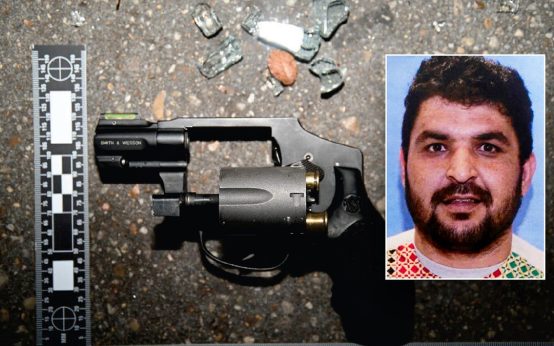 Afghan National Pleads Not Guilty in DC Shooting Case
 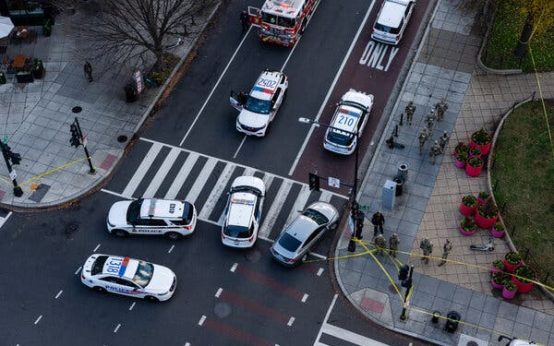 Federal Murder Charges Raise Death Penalty Possibility
  Florida Judge Orders Teen Held in Stepmurder Case
  Supreme Court to Decide on Six-Person Juries in Criminal Cases
  Andrew Boutros’ Tenure as U.S. Attorney for Northern District of Illinois
  Supreme Court Rejects Carter Page’s Lawsuit Revival