The Supreme Court halted Alabama’s efforts to execute Jeffery Lee using nitrogen gas. The decision upheld lower court findings against the method’s constitutionality. Lee’s execution, scheduled for 6 p.m. local time, faced intervention from lower courts citing the Eighth Amendment’s ban on cruel punishment. The state’s planned execution using nitrogen gas is shelved for now, affecting Alabama’s execution protocol since 2024.
Alabama’s Nitrogen Gas Execution Stopped
Alabama aimed to execute Lee with nitrogen hypoxia, which involves replacing breathable air with pure nitrogen. This causes death by suffocation. The Supreme Court did not elaborate on its refusal. The decision created a split among conservative justices. Clarence Thomas, Samuel Alito, and Neil Gorsuch would have gone ahead with the execution.
Governor Ivey Remains Determined
Governor Kay Ivey expressed disappointment yet emphasized justice for the victims. The Supreme Court did not annul Lee’s death sentence, leaving execution on hold but possible in the future through a different method.
Divisions Among Justices
While the Supreme Court’s order was brief, it displayed conservative differences. Although a federal judge initially found nitrogen hypoxia constitutional, the 11th U.S. Circuit Court of Appeals reversed the decision citing a “substantial risk of serious harm.” This follows legal wrangling over Alabama’s execution method, adding contention to the use of nitrogen gas.
Execution Method Controversy
The use of nitrogen gas has sparked debate. Critics argue about unnecessary suffering, while advocates see it as an alternative to lethal injection. The Supreme Court previously allowed such an execution in 2025. Lee chose nitrogen gas before opting for a firing squad, which Alabama does not permit.
Jeffery Lee’s Background
Lee has been on Alabama’s death row since a 1998 conviction for a double murder during an armed robbery at a Dallas County pawnshop. Initially, a jury favored life imprisonment without parole, but a judicial override led to a death sentence. Alabama ended judicial overrides in 2017, but this came after Lee’s sentencing.
Lee’s crime involved violent actions in Orrville, Alabama. He killed store owner Jimmy Ellis and employee Elaine Thompson. A third individual, Helen King, survived the attack. The judiciary’s shift has invigorated debate on Lee’s sentencing legitimacy and execution approach. Advocates cite the jury’s original recommendation; state officials emphasize crime severity and long-delayed justice.
Future of Lee’s Execution
Though temporarily safe, Lee faces execution prospects in Alabama. The Supreme Court’s ruling retains Lee’s sentence, allowing future attempts under different methods. Governor Ivey noted that the decision doesn’t conclude the case, indicating potential execution rescheduling. Alabama has rejected alternative methods like firing squads despite legal challenges for that option.
With Alabama spearheading nitrogen gas use since 2024, Lee’s case might shape future execution protocols. The Supreme Court’s pause is temporary, questioning nitrogen hypoxia’s viability as a constitutional execution method.
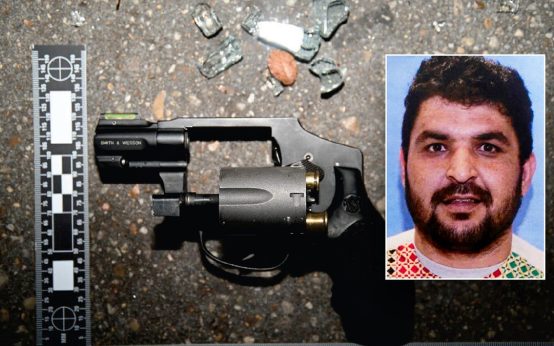 Afghan National Pleads Not Guilty in DC Shooting Case
 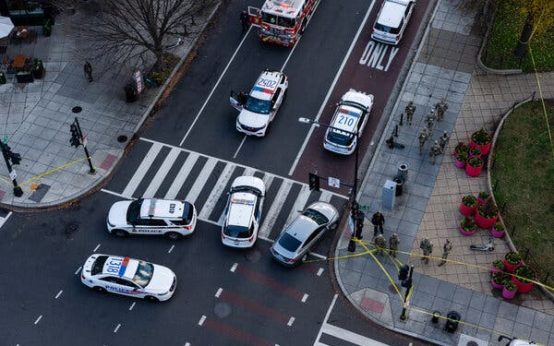 Federal Murder Charges Raise Death Penalty Possibility
  Florida Judge Orders Teen Held in Stepmurder Case
  Supreme Court to Decide on Six-Person Juries in Criminal Cases
 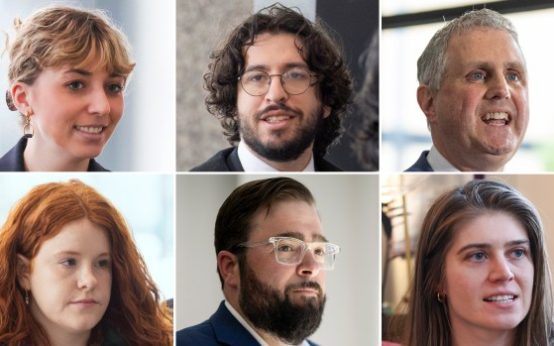 Andrew Boutros’ Tenure as U.S. Attorney for Northern District of Illinois
  Supreme Court Rejects Carter Page’s Lawsuit Revival