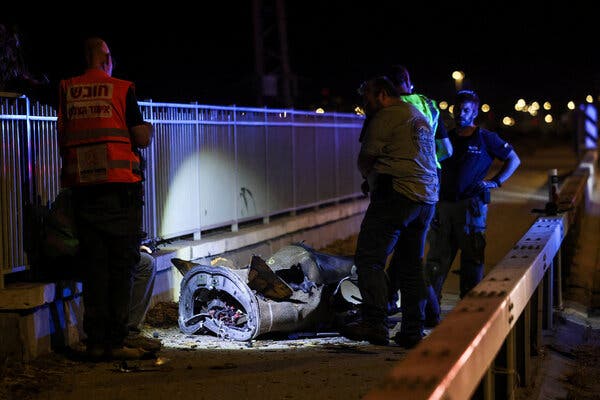
Tehran’s decision to retaliate against Israeli strikes in Lebanon is more than a rash move. It underscores Iran’s commitment to supporting its regional allies and resisting shifts in the balance of power. This is a crucial step for Iran in its broader regional strategy.
According to Ali Vaez, a senior analyst with the International Crisis Group, not responding to Israeli aggression would be perceived as a sign of weakness by Iran. For weeks, Iranian officials expressed dissatisfaction over Israel’s attacks targeting Hezbollah, Iran’s key ally in Lebanon. Despite these criticisms, Iran initially did not retaliate as long as the strikes remained confined to southern Lebanon.
The situation escalated when Israel targeted the southern outskirts of Beirut, where Hezbollah holds significant influence. In response, Iran launched a counterattack, which Sadegh Larijani, chairman of the Expediency Council, described as more than a military reaction. Larijani emphasized that this was a formal declaration of Iran’s strategic doctrine in defense of Lebanon.
This move highlights Iran’s determination to defend its allies and retain its influence in the region, even as it continues negotiations with Washington to resolve ongoing conflicts.
 Ukraine Drone Strike Targets Moscow Oil Refinery Amid Ongoing Conflict
  The Changing Dynamics at the G7: A Shift Towards Inclusivity
 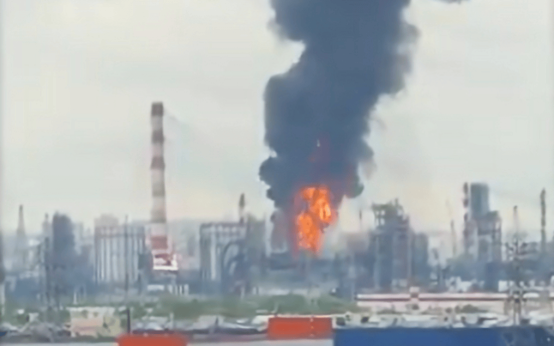 Ukraine Strikes Moscow Oil Refinery in Drone Attack
  Resurfacing of World War II ‘Death Railway’ Remains in Thailand
  The Ongoing Struggle Against Nuclear Threats: Historical Parallels
  Vozinha Shines in Cape Verde’s World Cup Debut