In 1943, nine Norwegian commandos undertook a perilous mission across treacherous terrain to reach the Vemork hydroelectric plant. Situated in Rjukan, Norway, the plant was vital to the Nazis for its production of heavy water, essential for creating atomic weapons during World War II. After Norway fell under Nazi control in April 1940, the importance of Vemork became clear to the German munitions team.
Physicist Werner Heisenberg played a leading role in Nazi Germany’s nuclear ambitions. By 1942, he assured Nazi leaders of a compact bomb capable of citywide destruction. Consequently, the Nazis fortified Vemork heavily in response to increased Allied efforts to destroy it.
The epic mission to sabotage Nazi atomic plans, detailed in Neal Bascomb’s bestseller ‘The Winter Fortress,’ remains an untold story on the big screen, despite being optioned by filmmaker Michael Bay.
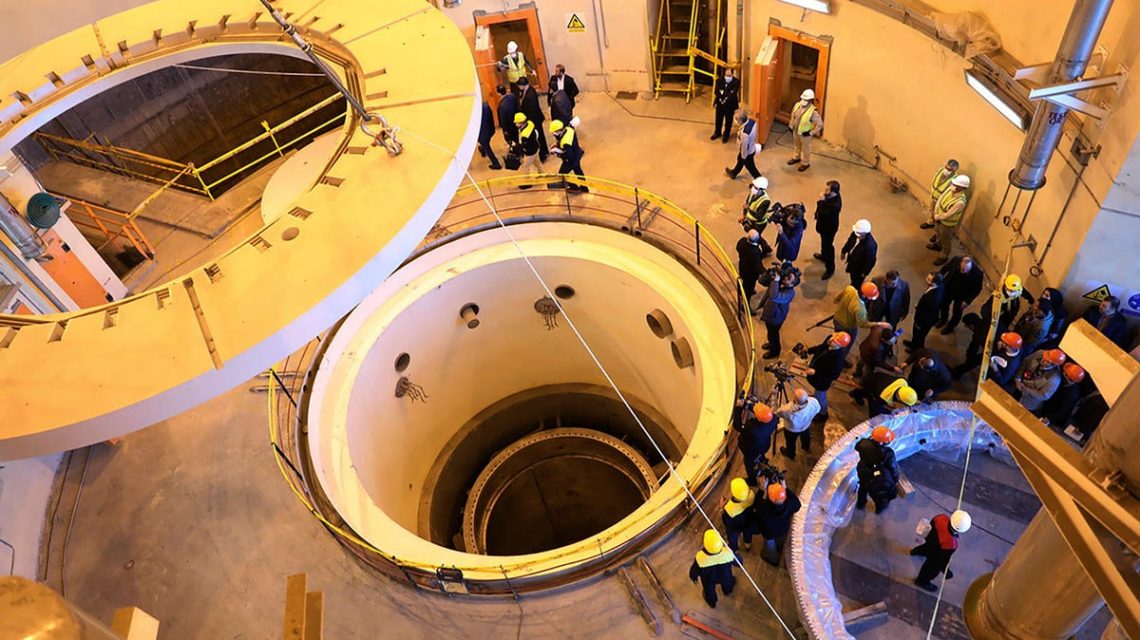
Drawing parallels from history, former U.S. President Donald Trump and Israeli Prime Minister Benjamin Netanyahu shared concerns over Iran’s nuclear program. The same determination seen in Churchill and Roosevelt’s Manhattan Project efforts against Hitler’s vision drives Trump’s policy against Iran’s nuclear pursuits. Hitler lacked restraint in using powerful weapons, and Trump acknowledges similar threats from Iran’s leadership, ever ready to use nuclear capabilities they may acquire.
In the West, skepticism surrounds Iran’s theological motivations. Twelver beliefs, central to Iran’s leadership since Ayatollah Khomeini’s 1979 Revolution, are often ridiculed by secular thinkers. Yet, these beliefs fuel Iran’s nuclear ambitions as highlighted by scholars like Bernard Lewis and the writings of Khomeini.
Despite setbacks, Iran’s nuclear aspirations continue. Trump’s initiatives disrupted their program, but new facilities, such as those under construction at Pickaxe Mountain, indicate ongoing efforts. Personnel changes in Iran’s leadership do not alter regime intentions driven by deep-rooted ideology.
The Allies’ historical success at Vemork illustrates the temporary nature of setbacks. The mission was only a delaying tactic against Nazi efforts, similar to how bombing campaigns slowed but didn’t halt their projects. President Trump’s actions aimed to neutralize Iran’s current nuclear threat without full-scale military engagement remain a topic of discussion.
The Iranian regime’s tenacity equates to past adversaries, shown by how they handle internal dissent and adhere to ideological imperatives. Despite economic and social turmoil, they relentlessly pursue weapons as the Nazis did in 1943. Strong global responses are necessary, echoing the strategies of FDR and Churchill during past existential threats.
 Guide to Visiting the Obama Presidential Center
  Unresolved UAP Sightings in the Northeastern and Western U.S.
  Vozinha Shines in Cape Verde’s World Cup Debut
  Iran’s Mohebi Stirs Debate with Controversial Celebration at World Cup
  G7 Summit Focuses on Russia-Ukraine Conflict as Trump and Zelenskyy Set to Meet
  World Cup Matchday 5: Surprises and Performances