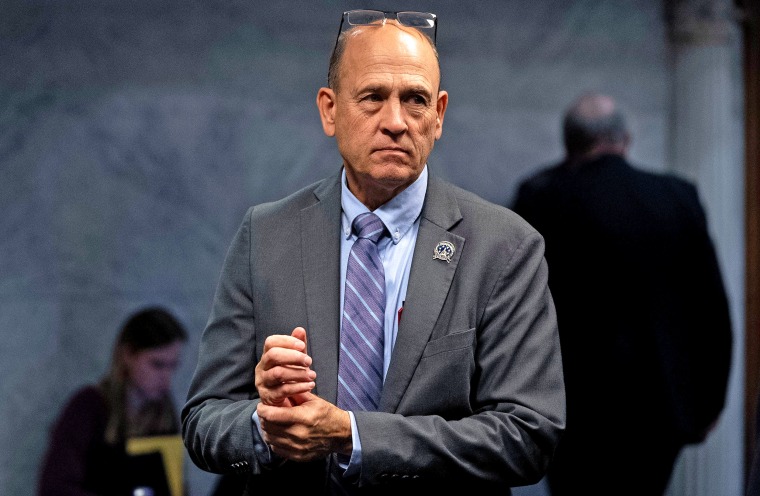
Last month, an Indiana state senator made a bold proposition: public schools should emphasize the importance of following specific life milestones, particularly getting married before having children, to ensure nearly all students attain prosperity later in life. Republican Senator Spencer Deery conveyed this notion with much enthusiasm, stating, The chance of them being poor is almost zero,
and emphasized its potential anti-poverty impact by asserting, This might be the single most important thing we could be teaching.
The approach Deery referred to is called the success sequence—a three-step strategy encouraged by conservatives to enhance young individuals’ chances for financial stability. This method involves: first, obtaining a high school diploma or higher; second, securing a full-time job; and finally, getting married before having children. Research from organizations such as the American Enterprise Institute and the Institute for Family Studies suggests that completing these steps in the recommended order allows 97% of millennials to avoid poverty by their early 30s. However, having a child before marriage might significantly increase the risk of falling into a lower income bracket, as indicated by researchers.
Deery, who co-authored Indiana’s success sequence bill, expressed confidence in the initiative’s potential during a phone interview, stating, Some of the things that we throw at trying to fix poverty are well-intended, but not always effective. I think this is worth a try. It really costs us very little, if anything at all.
Nevertheless, not everyone supports the enthusiasm surrounding the success sequence. Critics argue that while the advice may seem harmless, it’s founded on questionable data, fails to consider racial disparities, and stigmatizes students raised in single-parent households. Matt Bruenig, head of the left-wing think tank People’s Policy Project, claims the success sequence shifts the focus from systemic issues to individual choices, which he finds problematic. If you’re conservative, you don’t want to see these benefits expanded,
Bruenig said, suggesting that critics use the narrative to avoid considering government-led solutions like expanding public benefits.
The concept of the success sequence appeared nearly two decades ago in a report by the National Campaign to Prevent Teen Pregnancy. It gained significant traction in 2009 when promoted by the centrist think tank, the Brookings Institution. Recently, it has received renewed attention, thanks to model legislation from the conservative Heritage Foundation, a key player behind the Republican policy framework Project 2025.
Various states have moved to incorporate the success sequence into educational curricula. Utah, known for its abstinence-focused sex education, adopted a resolution in 2024 encouraging this method. Alabama and Tennessee followed suit, passing laws mandating the inclusion of the success sequence in lessons by the 2026-27 school year, with similar bills introduced in states like Ohio, Kentucky, Mississippi, and Texas.
Indiana’s legislative proposal, Senate Bill 88, recently passed the state Senate with a 39-9 vote, with opposition solely from Democrats. The bill awaits discussion in the state House. Republican state Senator Gary Byrne, the bill’s proponent, believes in the sequence’s practicality, claiming, It’s just something simple that you want to put in the back of the children’s minds. Wait till you have that full-time job and get married — that way, you’re working as a family unit.
However, there are differing opinions. State Senator Shelli Yoder, a Democrat, argues that integrating such teachings into public education is inappropriate, fearing that it could negatively impact students from diverse family backgrounds. Yoder expressed concerns that the added ‘good citizenship’ instruction could unjustly make students feel inferior based on their parents’ marital status, stating, The student sitting there is going, ‘Huh, my parents aren’t good citizens.’
Jonathan Butcher, a senior research fellow at the Heritage Foundation, maintains that teachers are adept at handling sensitive issues appropriately. He remarked, Presenting these as a fact should not be done as an insult to anyone. It can be done successfully. This is important information that we shouldn’t withhold from young people.
Research on the success sequence’s effectiveness provides mixed insights. A 2021 study, sponsored by the Department of Health and Human Services, suggested that young adults adhering to the sequence are less likely to experience poverty, though achieving the milestones—regardless of sequence—led to similar economic outcomes. Additionally, a 2015 Brookings Institution study found that Black adults following the intended steps are substantially less likely to attain middle-class status compared to their white counterparts.
Despite some reservations from colleagues, Senator Byrne views the success sequence as a simple remedy to a complex issue, summarizing, This just gives those kids a tool. Here’s the way out of that poverty.
Elizabeth Chuck is a reporter for NBC News who specializes in health and mental health matters, with a particular focus on issues affecting women and children.
 U.S. Military Awaits Pentagon’s Clarification on Troop Levels in Europe
  Xavier Becerra Advances in California Governor Race
  Graham Platner’s Campaign Amid Controversy
  South Carolina GOP Primary Heats Up as Trump Endorses Evette
  Federal Judge Overturns Trump-Era Immigration Policy
  Controversies Challenge Graham Platner’s Senate Campaign in Maine