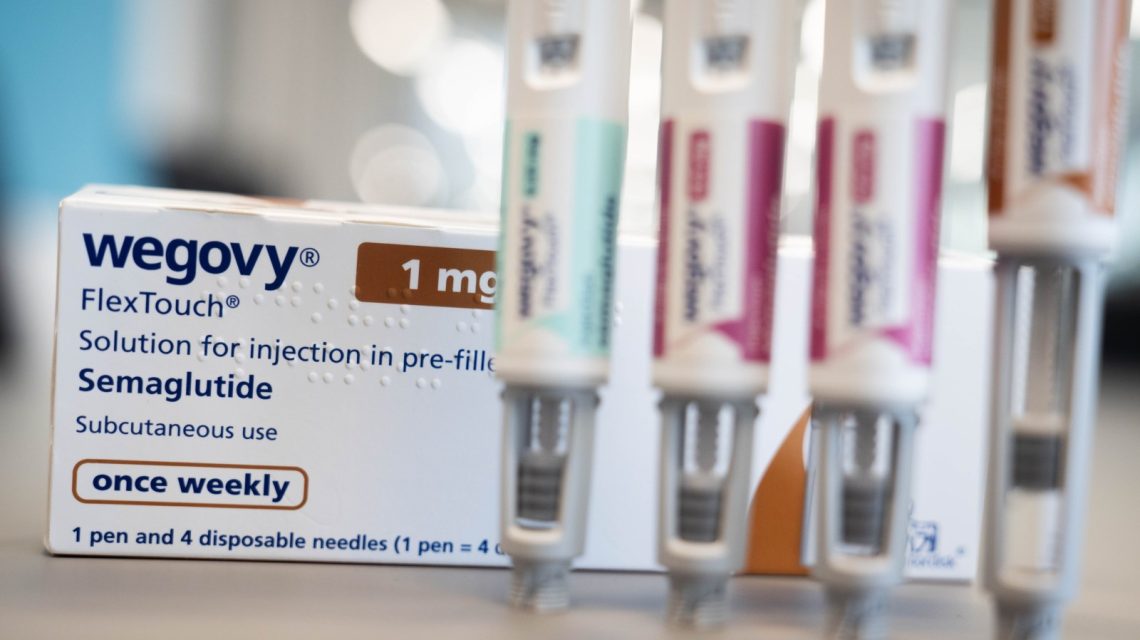
GLP-1 receptor agonists, such as Ozempic and Wegovy, are gaining attention for their effectiveness in weight loss. They reduce persistent thoughts about eating and simulate a hormone that fosters a sense of fullness, slowing digestion. This process directly influences brain systems related to reward, impulse control, and mood.
Scott Kanoski from the University of Southern California highlights the potential of these drugs to affect brain regions associated with emotion, reward, and memory. However, the outcomes are not entirely understood, varying with the patient and the specific drug used.
Potential Mental Health Risks
A study revealed a 40% reduction in alcohol consumption among users of semaglutide, known as Ozempic and Wegovy. Nonetheless, other studies suggest risks such as the potential to trigger eating disorders or affect mental well-being. The American Psychological Association noted in a 2025 report that while these drugs can temper addictive behaviors, they might also reduce dopamine responses beyond food, impacting enjoyment in activities or social interactions.
The National Eating Disorders Association warns that GLP-1s’ safety for individuals with eating disorders remains unclear. The rapid weight loss benefits, offered through weekly injections, could lead to drug-induced anorexia. A study from Chung Shan Medical University Hospital in 2024 found increased risks of anxiety, depression, and suicidal tendencies.
Experts assert that these drugs could present both beneficial and adverse effects on mental health, necessitating careful monitoring and more research to understand comprehensive implications.
Misuse and Accessibility Issues
Dr. Sarah Boss from BALANCE Rehab Clinic expressed concerns over misuse. One in three patients at their clinic use GLP-1s without clinical indications, often acquiring the drugs online without proper medical oversight.
Andrew Hardaway from the University of Alabama notes that reports of “cosmetic abuse” of GLP-1s are growing, with some seeking cheaper alternatives from unreliable sources. Pamela Keel from Florida State University emphasizes the need for more research to comprehend the risk-benefit profile of these medications.
Boss highlights cases where GLP-1 use exacerbates mental health issues like anxiety and depression, stressing the need for clinical oversight and psychological assessments before administering these drugs.
Mixed Evidence and Further Research
Paul Kenny from the Icahn School of Medicine suggests that GLP-1s can produce both positive and negative mental health outcomes. While reducing cravings and compulsive behaviors shows promise, it is essential to consider variations in responses due to factors such as genetics and mental health history.
Ali Güler from the University of Virginia emphasizes the beneficial aspects of these drugs for some patients, while cautioning against viewing them as psychologically neutral, especially for those with vulnerabilities toward disordered eating.
The Need for Personalized Care
Hardaway advocates for personalized medicine with GLP-1s. Tailoring dosages to individual patients to achieve medical benefits while minimizing side effects requires more scientific research. Physicians currently rely on experimental methods for dosage adjustments, which need more rigorous clinical trials to provide reliable guidance.
Continued research is crucial to understand the varying effects of GLP-1s and determine how to harness their benefits effectively while managing risks.
 Cancer Incidence Rises in Iowa
  Impact of GOP Cuts on Healthcare Facilities
  Ebola Outbreak in East Africa: Concerns of Prolonged Crisis
  Decline in Infant Mortality in the U.S.: 2025 Marks New Record
  Study Links Tyrosine to Shorter Lifespan in Men
  From Marathon Runner to Mother: A Recovery Journey