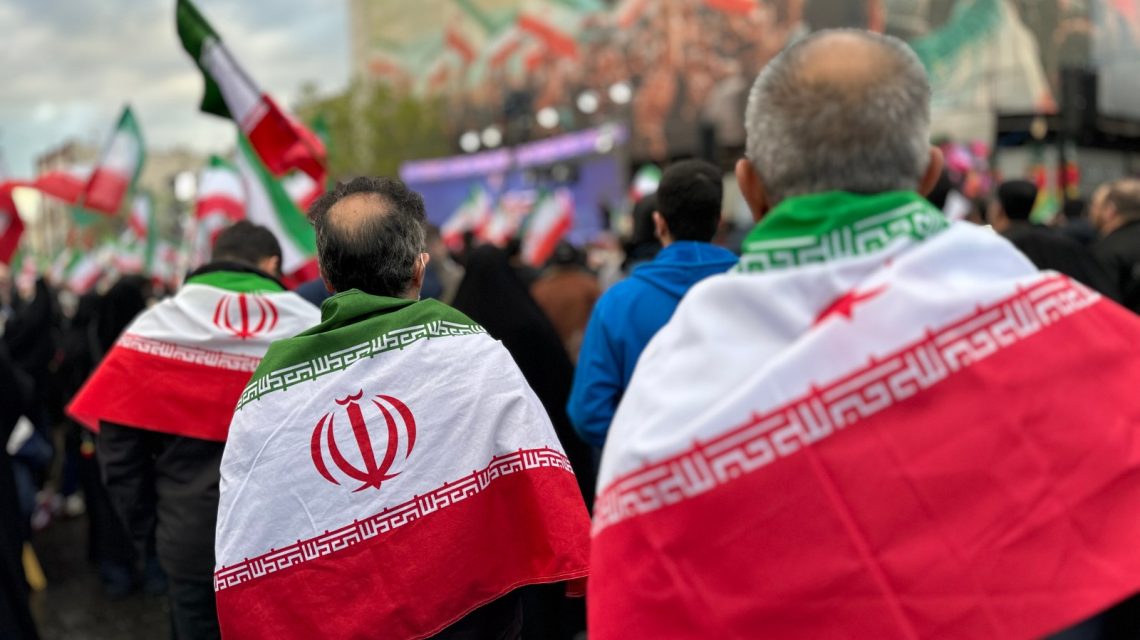
The strike that killed Ayatollah Ali Khamenei on February 28 began with a secret rooted deeply in American intelligence operations. According to reports from CBS News, the CIA gathered crucial information over several months and shared it with Israel. This collaborative effort pinpointed Iran’s leadership location, laying the groundwork for Operation Epic Fury. The chair of the Senate Intelligence Committee emphasized that the operation was driven by intelligence from the United States and Israel.
Thousands of Iranian missiles and drones launched across the Gulf in the following weeks marked the loud conclusion of a conflict orchestrated in silence. This war was centered around intelligence, cloaked as an air campaign, with vital intelligence originating from the United States.
To carry out an assassination of a state leader like Khamenei, an adversary must have precise information about his location, timing, associates, and how to strike effectively within a narrow window. This challenge demands years of intelligence collection rather than last-minute efforts. The munition is merely the final step; the intelligence is the war itself. On February 28, the pivotal element, the information on leadership, came from the United States. Even President Donald Trump acknowledged this, remarking on the precision of American intelligence and sophisticated tracking systems.
The American success in 2026 resulted from a decade-long collaboration with its closest ally, Israel.
In 2018, Mossad extracted half a ton of Iran’s nuclear archive from a Tehran warehouse. In 2020, physicist Mohsen Fakhrizadeh was assassinated outside the capital with a remote weapon. By July 2024, Ismail Haniyeh met a similar fate in a government guesthouse in Tehran. Subsequent explosions involving Hezbollah’s communication devices further showcased the penetration. The June 2025 war saw the swift elimination of key Iranian military figures. Collectively, these events depict a nation vulnerable from within. The American achievement in 2026 strengthened this breach with its own intelligence collaboration, cementing leadership locations.
Former CIA director David Petraeus remarked on the operation’s reliance on precise intelligence, leading to the successful assassination.
Intelligence operates on both ends of the spectrum: success and failure. Instances from October 7, 2023 demonstrated that disciplined operational security, careful collection, and strategically placed human sources enabled a lesser actor to deceive a more capable intelligence service. In 2026, the tables turned in favor of discovery over concealment. A closed regime was unmasked by unseen adversaries. This highlights the ongoing duel between tactics of hiding plans and hunting them down. Technological strength alone cannot determine outcomes without this crucial duel.
Iran’s penetrability is born from internal contradictions. Although the regime runs a vast surveillance state, proficiency in state monitoring does not equate to robust counterintelligence prowess.
Repression is inward-focused; counterintelligence requires outward vigilance. Iran’s intelligence is fragmented between the Ministry of Intelligence and Revolutionary Guard—entities in competition rather than collaboration. Rivalries like this create vulnerabilities, which skilled adversaries exploit.
Iran’s centralized command structure concentrates power, elevating control but becoming brittle upon decapitation. Such systems struggle to adapt when leadership is disrupted, unlike organizations like Hamas with dispersed authority.
Iran provided adversaries with both opportunity and a singular critical target. Current developments post-war reflect these weaknesses. The Revolutionary Guard has undertaken sweeping arrests, accusing individuals of espionage for Israel and the United States. Executions follow convictions, a move condemned by human rights groups as a veiled form of oppression.
The scale of this purging reveals deep distrust within Iran’s ranks.
With uncertainty about internal loyalties, the regime’s actions achieve the opposite of protection. Every forced confession introduces disorder, every unjust removal weakens internal defenses.
The United States faces a lesson here. After Gulf air defenses intercepted most incoming threats, some seek to enhance security with new technologies—additional interceptors, enhanced missile defense systems, AI integration. While these capabilities contribute to security, the victory hinged on intelligence collection and human sources. This asset holds unmatched value and deserves safeguarding.
Such an advantage is fragile. A deeply infiltrated regime will evolve, dispersing authority, and adopting methods beyond technological reach—all initiatives reinforcing existing security protocols.
Future engagements with Iran will face this revamped landscape, fought in intellectual shadows, preceding visible conflict. The evident monuments from the 2026 war—the Gulf interceptors, Tehran’s craters, funeral processions—contrast with the unseen origins. The decisive battle involved unsung participants, in a space devoid of overt evidence, spearheaded by American expertise. Its resolution predated the initial strike.
Muhanad Seloom, a lecturer in intelligence and national security at the Doha Institute, regularly shares insights on social media. His perspectives remain his own.
 England National Team Utilizes Palm-Cooling Technology for World Cup
  Controversy Over Henry Nowak’s Stabbing Sparks Debate in UK
 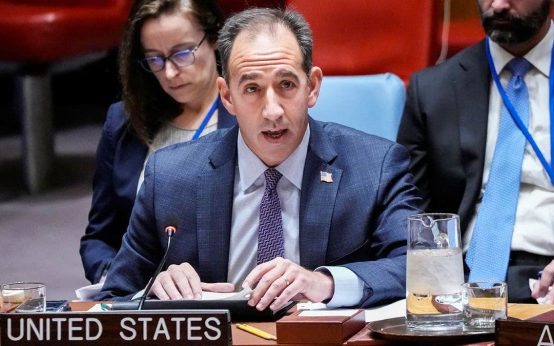 U.S. Pushes for UN Reform Amid Financial and Structural Challenges
 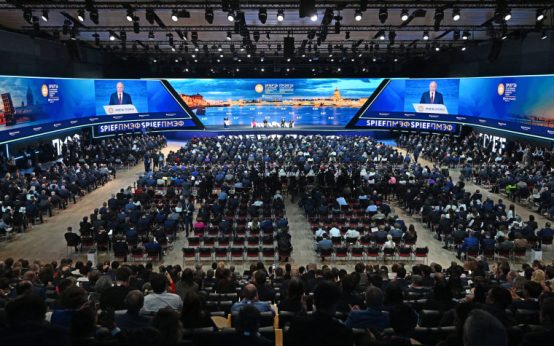 Putin Faces Changing World at Economic Forum in St. Petersburg
 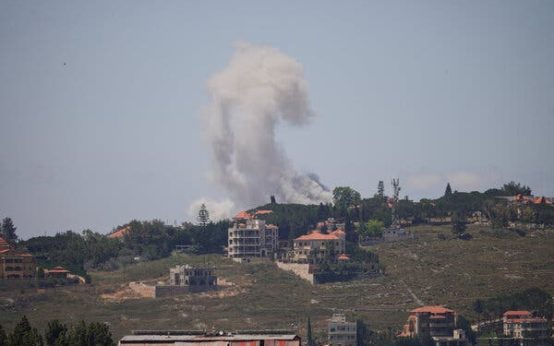 Israeli Strike Escalates Tensions in Lebanon
  Pope Leo XIV’s Call for Unity Amidst Spain’s Political Turmoil