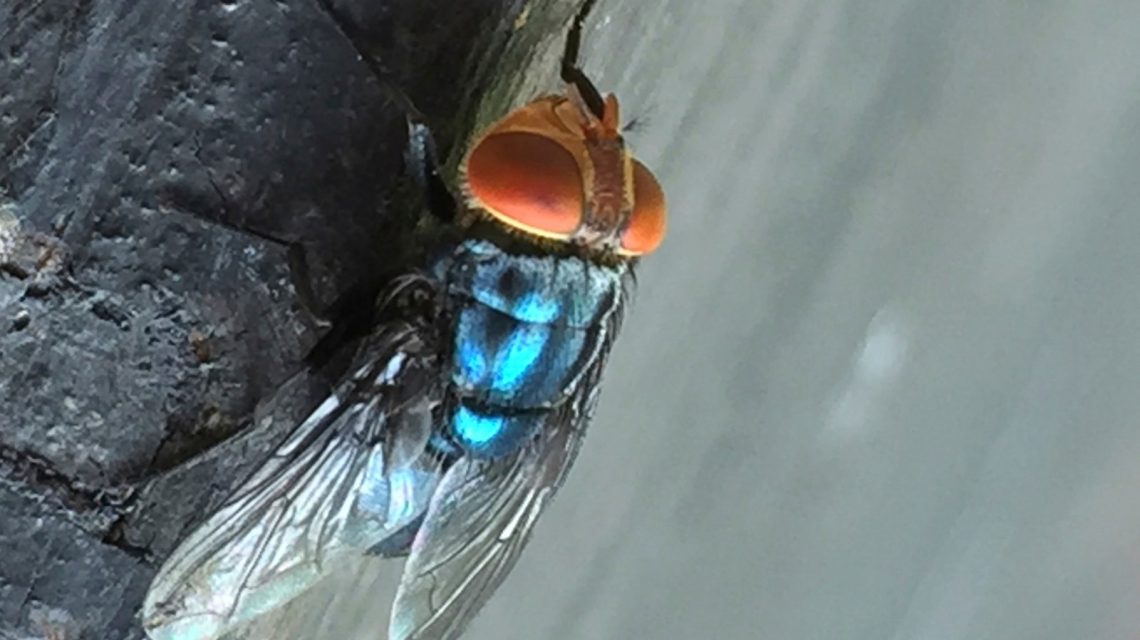
The New World screwworm, a parasitic fly known for its flesh-eating capabilities, has appeared again in Texas. A second case has been confirmed in a calf, prompting action from various agencies due to the threat this poses.
Details of the Second Infestation
The U.S. Department of Agriculture (USDA) reported that the second case was found in Zavala County. This location is roughly 5 miles from where the initial case was detected. The first case involved a 3-week-old calf in La Pryor, Texas, situated about 50 miles from the U.S.-Mexico border. USDA’s Animal and Plant Health Inspection Service (APHIS) confirmed the second infestation after thorough testing of multiple suspect cases.
Both federal and state officials are actively collecting and testing samples from the surrounding areas. The USDA has created a quarantine zone around both cases, prohibiting the transport of animals from these areas without inspection.
Efforts to Break the Reproductive Cycle
In late 2024, the parasite was detected in Mexico after years of being controlled in Panama. Efforts have been made to prevent the screwworm from reaching Texas, the leading state in U.S. cattle production valued at $17 billion. The outbreak poses a serious economic threat by potentially reducing cattle supplies, disrupting trade, and increasing beef prices.
Texas Governor Greg Abbott has expanded a statewide disaster declaration. This includes the use of all state resources, including personnel and the shipment of sterile flies to halt reproduction of the screwworm. A sterile fly facility is also being constructed in Texas.
Governor Abbott called for decisive action, stating, “We have eradicated this pest before, and we will do it again.”
Canada’s Response and Temporary Ban on Texas Livestock
The Canadian Food Inspection Agency (CFIA) has announced temporary import restrictions on livestock originating from Texas. The agency clarified that animals present in Texas within 21 days prior to arriving at the Canada-U.S. border would be denied entry into Canada.
The screwworm larvae pose a significant threat to host animals, the CFIA explained. Canada’s colder climate may prevent long-term establishment of the parasite, but caution is warranted during summer months.
The CFIA advised animal owners and veterinarians to monitor livestock for signs of screwworm infestations. This includes deteriorating wounds, discharge, and foul odor.
Canadians traveling to Texas with pets should examine their animals regularly for any indications of infestation.
Understanding Screwworm
The New World screwworm is a dangerous parasitic fly. Its larvae consume the living tissue of warm-blooded animals, creating severe wounds. Female flies lay eggs in open wounds or body openings. Upon hatching, maggots burrow into the flesh and consume healthy tissue.
This parasite mainly affects livestock but can also infect wildlife, pets, and humans in rare instances.
Transmission and Symptoms
The screwworm spreads primarily through the movement of infested animals. This includes livestock trade, wildlife migration, and cross-border movement.
Symptoms in infected animals include painful, worsening wounds that emit a foul odor. If untreated, significant tissue damage and secondary infections may occur. In humans, rare cases show painful lesions and possibly fever or chills.
Pet Owners: What to Watch For
Dogs and cats are vulnerable to screwworm infestation. Screwworms are attracted to even small wounds, laying eggs that hatch into larvae swiftly.
Indicators of infestation in pets include persistent licking or biting at a specific area, discharge, bleeding, visible larvae, or a sensation of movement in a wound. Due to rapid parasite development, quick veterinary attention is advised for even minor wounds.
According to Sally DeNotta, an infectious disease expert in equine internal medicine at the University of Florida, “Visual inspection is the primary way that infected animals are identified. The disease is treatable, and the sooner affected animals are seen and treated by their veterinarians, the less the chance of further spread.” Owners should inspect their animals for unhealed wounds or signs of infection and contact a veterinarian for immediate care if screwworms are suspected.
 Lessons Learned from the Ebola Outbreak Response
  Dr. Sara Whittingham’s Journey with Parkinson’s Disease
  Exploring Alkaline Water: Benefits and Concerns
  U.S. Doctor Recovers from Ebola in Germany
  Federal Judge Blocks Changes to SNAP Funding Requirements
  Tips for Choosing Over-the-Counter Medication for Common Ailments