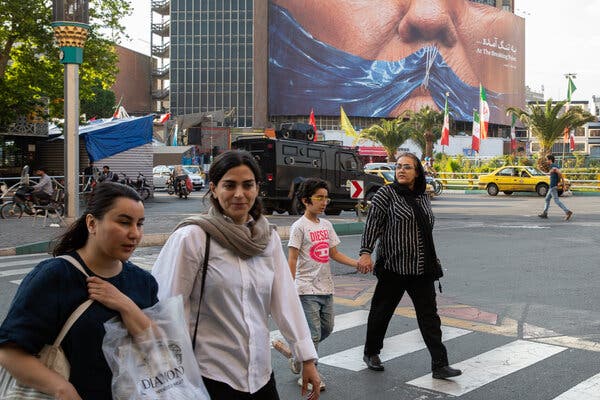
The United States and Iran continue to engage in discussions aimed at concluding the conflict in the Middle East. Despite ongoing talks, both nations expressed caution regarding an immediate resolution.
The primary focus of the negotiations involves reopening the Strait of Hormuz. This critical waterway plays a crucial role in the transport of oil and gas and has been blocked by Iran.
Uncertainty surrounds several aspects of the proposed agreement. A key issue under discussion is Iran’s nuclear program. American and Iranian officials have given different accounts of the potential agreement. This has led to skepticism about whether the deal will be finalized.
We have reached conclusions on a large portion of the issues, but no one can claim that the signing of an agreement is imminent,said Esmail Baghaei, spokesman for Iran’s foreign ministry, reported by Iran’s state broadcaster.
U.S. Perspective
President Trump addressed the ongoing negotiations, stating any deal would be “great and meaningful”, or “there will be no deal.” He faced criticism for possibly being lenient toward Iran, particularly from some Republican figures.
The previous day, President Trump advised Americans to be patient with the negotiations. He emphasized that both parties should proceed at a deliberate pace to “get it right.” While stating that any deal with Iran would be “a good and proper one,” he did not reveal further details.
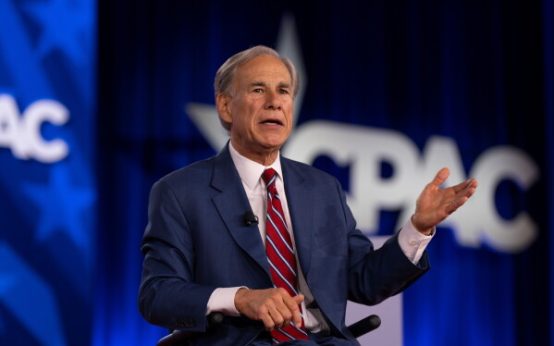 U.S. Military Awaits Pentagon’s Clarification on Troop Levels in Europe
 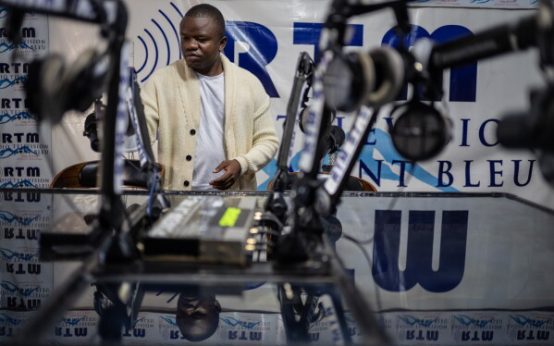 Potential Ebola Outbreak in Central Africa Raises Concerns of Rapid Spread
 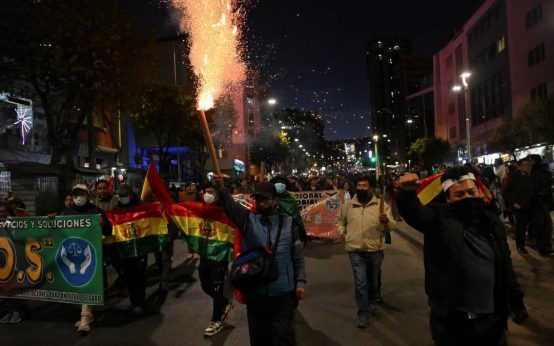 U.S. and Allies Condemn Efforts to Overthrow Bolivian Government
  Pamela Hicks: Cousin, Bridesmaid, and Witness to History
  Latin American Deportees in Congo: Return to Home Countries Amid Challenges
  Controversy Surrounds Stabbing Incident of British Student