The U.S. government has increased the number of airports designated for receiving travelers from countries affected by the Ebola outbreak. This decision comes as global health officials warn that the outbreak could become one of the deadliest in history.
Newly Designated Entry Points
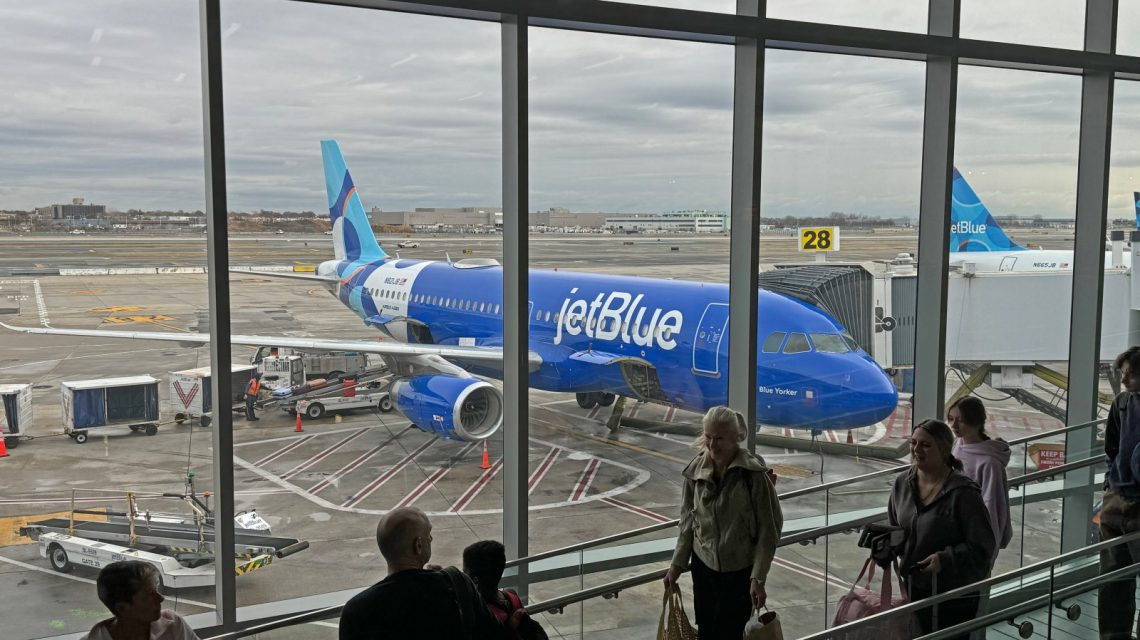
The Department of Homeland Security (DHS) confirmed the inclusion of New York’s John F. Kennedy International Airport (JFK) as a designated entry point, joining other major hubs. U.S. citizens and nationals arriving from Ebola-impacted regions will be redirected to:
- Washington Dulles International Airport (IAD)
- Hartsfield-Jackson Atlanta International Airport (ATL)
- George Bush Intercontinental Airport (IAH)
- John F. Kennedy International Airport (JFK)
Starting May 29, CDC staff will conduct enhanced public health screenings at these airports. Travelers will have their contact details verified to facilitate any required public health follow-up.
The Importance of the Decision
This strategy prioritizes public health while maintaining international travel. By concentrating entry to four airports, officials can focus resources and ensure personnel are equipped to detect symptoms quickly. With Ebola being a highly fatal disease, early identification is crucial to prevent outbreaks.
Understanding Ebola Transmission
“An outbreak usually begins in Africa due to contact with fruit bats, a known reservoir, or through consuming bushmeat,” said Thomas A Russo, a professor at SUNY. “Airborne transmission is rare, with most spreading through direct contact with bodily fluids of symptomatic individuals.”
The emphasis on targeted entry points allows better coordination between the DHS, CDC, and local authorities, optimizing health screenings.
Preventive Measures in Action
A number of safety protocols are implemented at these entry points:
- Health screenings for travelers from affected areas
- Information collection for contact tracing
- Monitoring for symptoms post-arrival
- Coordination with public health teams
- Protocols for immediate isolation if symptoms appear
These actions ensure early identification of potential cases, reducing the risk of spreading within airports and communities.
Potential Expansion of Entry Points
Currently, JFK’s inclusion in the entry list expands screening capacity. However, the list could extend if necessary to accommodate rising case numbers or shifting travel patterns. During significant international gatherings, such as the World Cup, more airports may be added if needed.
Ebola Outbreak Monitoring
The outbreak is under close observation as aid groups alert officials to its possible severity. Last week, the CDC issued a temporary travel ban on non-U.S. citizens who recently visited the Democratic Republic of Congo, Uganda, or South Sudan. The International Rescue Committee reports over 900 suspected cases and at least 223 deaths in the DRC and Uganda.
Advice for Travelers
Travelers from affected regions should anticipate additional screenings at arrival and be ready to share travel details while complying with monitoring protocols. Restrictions largely hinge on travel history and exposure risk.
“Discussion continues about Ebola and its transmission,” stated Sharon Nachman of Stony Brook Children’s Hospital. “Detailed questioning and evidence-based protocols are vital for managing high-risk individuals.”
Future Protocols
As the situation unfolds, U.S. officials are prepared to adjust entry protocols as necessary. Should it become imperative, additional airports may be added for incoming travelers in response to changes in travel volume or outbreak spread.
 New Jersey Struggles with Protests Near Immigration Detention Center
  Newark Scales Back Police Presence at Detention Center Protests
  Investigation into Bus Company’s Network and Safety Violations
  Inflation’s Rise Challenges Economists’ Claims
  Support Pours in for Airport Worker After Viral Video
  Father Shares Water Safety Lesson After Daughter’s Close Call