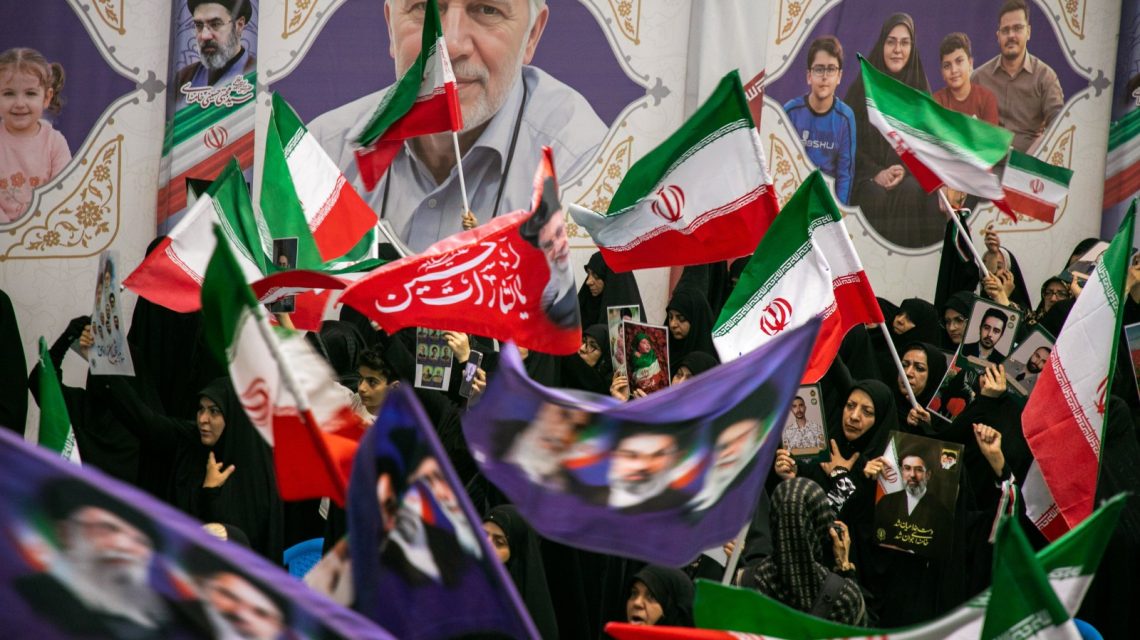
Conflicting Messages from the US and Iran
President Donald Trump’s recent comments suggesting an imminent deal with Tehran contradict statements from Iranian officials who show defiance towards the United States. There are differing messages about the likelihood of ending the ongoing Iran conflict. Trump’s remarks on Saturday raised anticipation, but a US official indicated the need for more time. Iran’s leadership could take several days to approve a deal to end the hostilities that began on February 28, with a tentative ceasefire in place since April 7.
Markets have responded positively to the idea of reopening the crucial Strait of Hormuz, which Iran controls. Nonetheless, an Iranian official warned against yielding to US pressure, stating that ‘time was against’ Trump. While the status of Iran’s nuclear program remains a contentious issue, both parties interpret the memorandum of understanding (MOU) differently.
US Position on Negotiations
Trump claimed that a deal to end the war was ‘largely negotiated.’ However, a senior US official shared with Axios that no agreement was imminent. The parties are still working out the details. During a visit to India, US Secretary of State Marco Rubio mentioned that a strong proposal was on the table, and an agreement might soon be reached. The deal could extend the ceasefire by 60 days, reopen the Strait of Hormuz, and include further discussions about Iran’s nuclear ambitions.
Iranian Stance on the Deal
Iranian officials expressed their defiance, without explicitly rejecting the terms of a potential deal. The nuclear program continues to be a sticking point. Ebrahim Rezaei, spokesperson for Iran’s National Security and Foreign Policy Commission, urged against believing Trump’s assertions. An Iranian official cited by Reuters mentioned that Supreme Leader Mojtaba Khamenei had not approved any framework for a deal.
The US aims to prevent Iran from acquiring a nuclear weapon. Iran’s President Masoud Pezeshkian has claimed no bomb will be developed, but the Supreme Leader remains silent on the issue.
Disagreements on Iran’s Nuclear Program
Iranian Foreign Ministry spokesman Esmaeil Baghaei noted the focus of talks is on ending the war, not the nuclear question. Trump demanded Iran end uranium enrichment, a critical step for a nuclear bomb, while Iran rejects new restrictions. The US president proposed that Iran export its highly enriched uranium (HEU), but Iranian media deny any such commitment.
Iranian official Hossein Noushabadi declared that rumors of a 20-year suspension of uranium enrichment are false. Talks will address nuclear issues in exchange for lifting sanctions, releasing blocked assets, and withdrawing US forces surrounding Iran.
Debate Over the Strait of Hormuz
Trump indicated that reopening the Strait of Hormuz is part of any deal. It is unclear if Iran will maintain permanent control. Iran insists on its sovereignty over the strait, potentially imposing tolls. Under the proposed peace deal, the strait would reopen gradually as the US ends its blockade of Iran’s ports. This blockade started on April 17 and hindered Iran’s oil shipments.
The US naval blockade will stay until an agreement is ‘reached, certified, and signed.’ Iran might be allowed to sell oil with sanctions waivers, with relief negotiated over a 60-day window. According to the Institute for the Study of War (ISW), Iran believes it has a stronger bargaining position. It seeks to reshape the regional order beneficially.
Iran’s officials demand an end to the conflict on all fronts, including in Lebanon where Israel clashes with Iran-backed Hezbollah. Trump has supported Israel’s efforts against the group but urged Israeli Prime Minister Netanyahu to de-escalate operations in Lebanon.
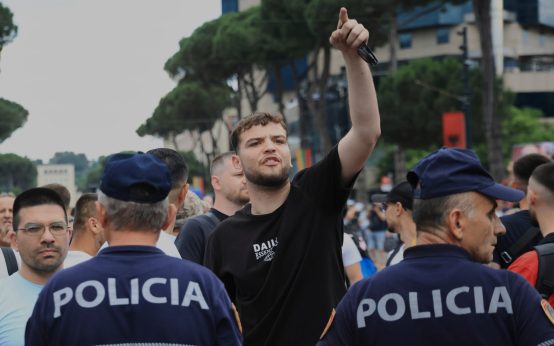 Protests Erupt in Albania Over Resort Development
 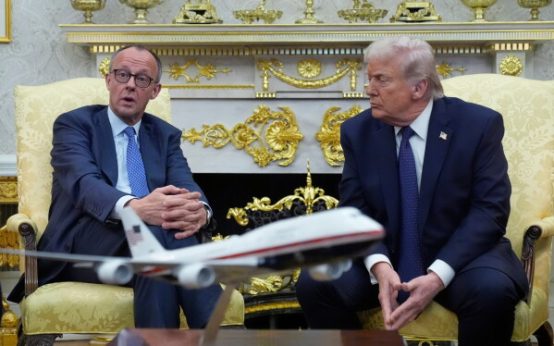 Clarity Sought on U.S. Troop Levels in Europe Amid Policy Changes
 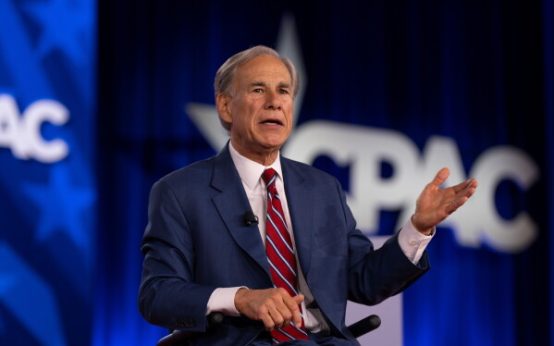 U.S. Military Awaits Pentagon’s Clarification on Troop Levels in Europe
 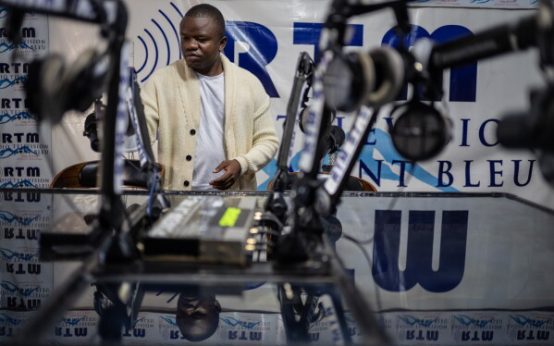 Potential Ebola Outbreak in Central Africa Raises Concerns of Rapid Spread
 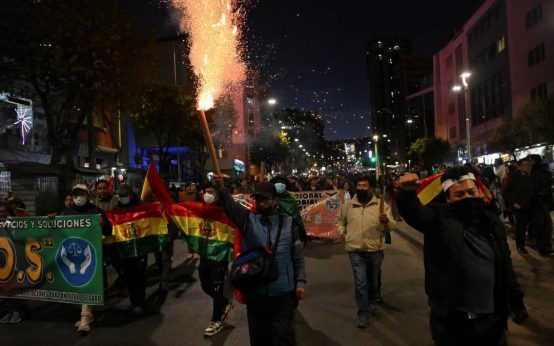 U.S. and Allies Condemn Efforts to Overthrow Bolivian Government
  Pamela Hicks: Cousin, Bridesmaid, and Witness to History