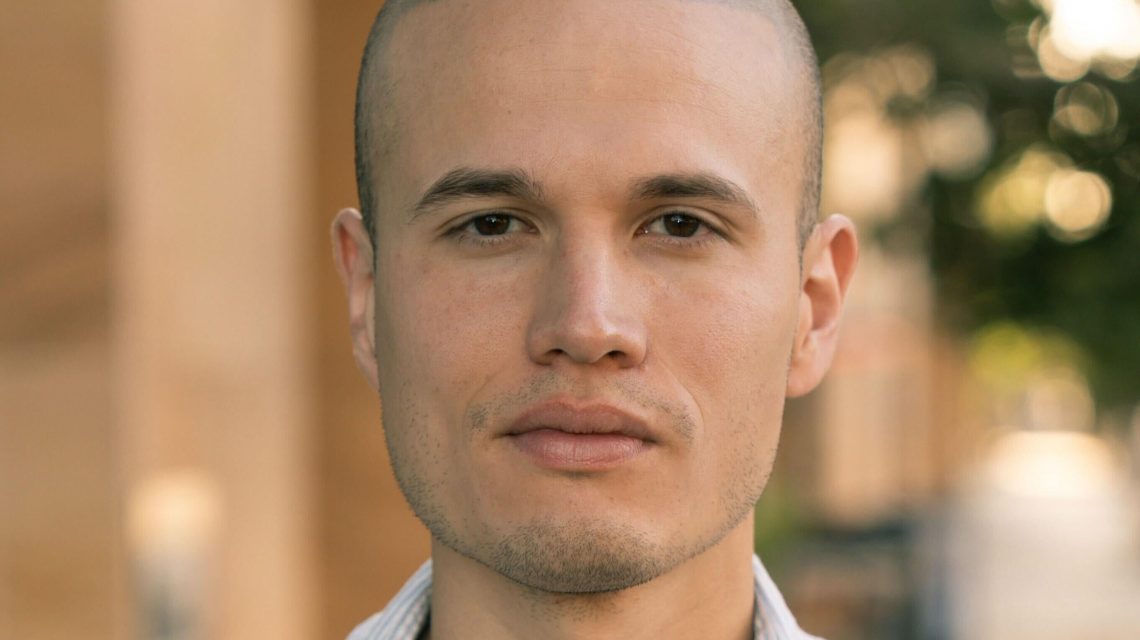
In Chicago, 18-year-old Ricardo Hernandez-Navarrete found himself navigating the complexities of the U.S. immigration system. Recently released from a detention center, he now faces an uncertain future with the threat of deportation looming over him.
Detention and Release
Hernandez-Navarrete was held in an immigration detention facility in Kentucky. His aspiration to play professional soccer seemed in jeopardy. However, he was unexpectedly released by U.S. Immigration and Customs Enforcement (ICE) just in time for his high school graduation.
The teenager’s ordeal began in March when he was arrested alongside his mother during an immigration appointment in Chicago. Separated from his mother due to his age, he was transferred across several states, spending over two months in custody.
“I couldn’t play soccer,” Hernandez-Navarrete said, highlighting the importance of the sport in his life. Being away from his mother was also difficult for him.
Family Challenges and Legal Proceedings
His mother, Martha Liliana Navarrete, expressed her fears about a potential separation due to deportation. ICE released her last week following a judge’s order, but the concern for her son’s status persists.
An immigration judge recently denied Hernandez-Navarrete’s bond. Nevertheless, his unexpected release allowed him to reunite with his family and celebrate his high school achievements.
While celebrating his freedom, his future remains uncertain. DHS noted he entered the U.S. illegally in 2022. The legal process will determine if he and his family can stay in the U.S. on a permanent basis. Hernandez-Navarrete must check in with ICE bi-weekly and wear a tracking device. He must also submit daily photographs and report any travel plans.
Community Support and Future Aspirations
Support from family, friends, and teammates has been pivotal. His high school coach, Enrique Cervantes, advocates for him, stating that Hernandez-Navarrete does not fit the deportation criteria often cited by the government.
“Ricardo does not fit the description of the ‘worst of the worst,'” Cervantes commented, emphasizing the young man’s focus on education and personal growth.
Hernandez-Navarrete has committed to playing soccer at Truman College. He hopes his lack of a criminal record and educational pursuits will influence the decision makers in his immigration case.
“They can see that I’ve been in high school, graduated, and I’m going to be in college,” Hernandez-Navarrete said, expressing his desire to continue building his life in the U.S.
The story of Ricardo Hernandez-Navarrete underscores the challenges faced by immigrant families within the U.S. system. It highlights the support network that rallies around individuals in difficult times and the hope that persists amidst uncertainty.
 California Elections: The Ongoing Vote Count and Controversies
 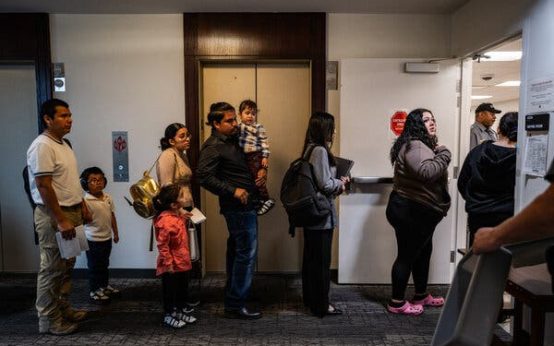 Judge Overturns Trump-Era Immigration Policies
 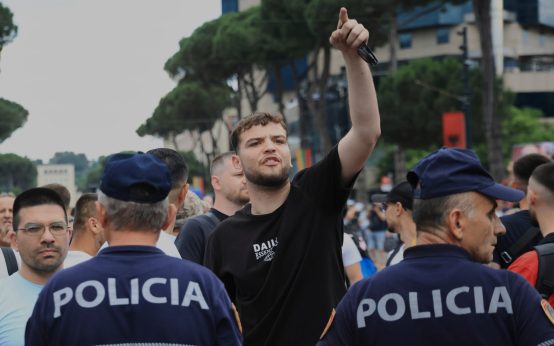 Protests Erupt in Albania Over Resort Development
  Clarity Sought on U.S. Troop Levels in Europe Amid Policy Changes
 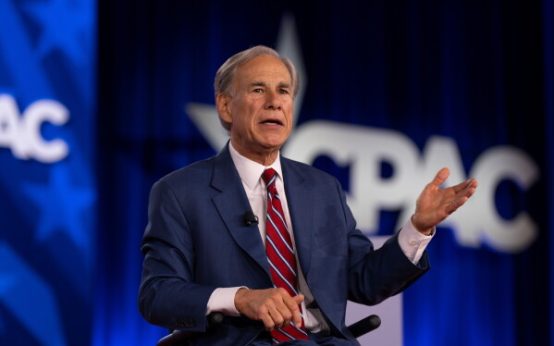 U.S. Military Awaits Pentagon’s Clarification on Troop Levels in Europe
  Potential Ebola Outbreak in Central Africa Raises Concerns of Rapid Spread