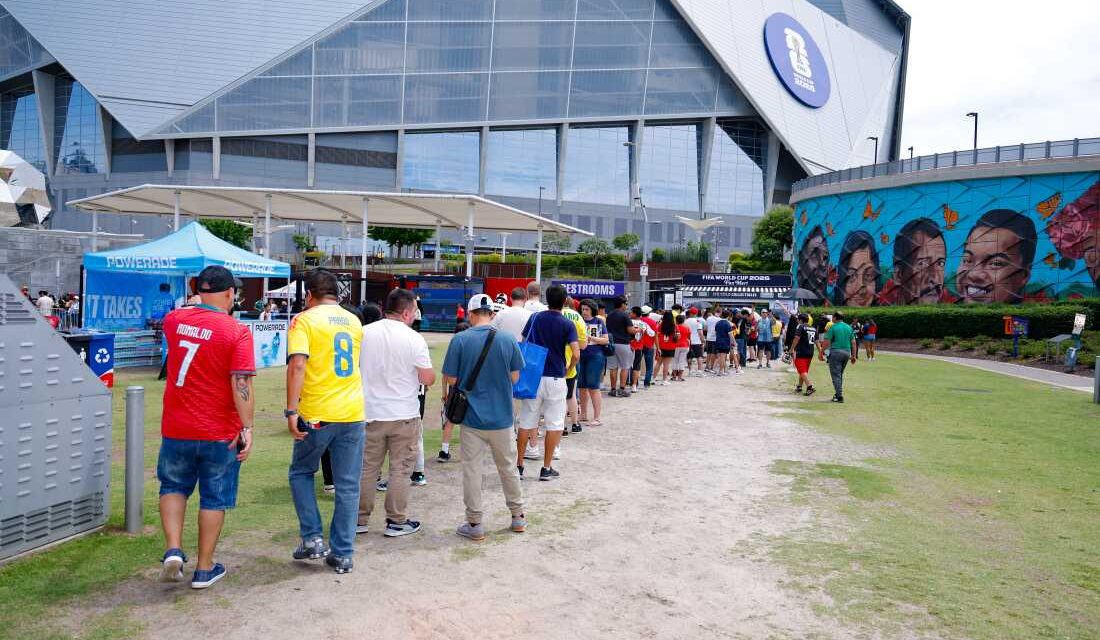
Ahead of the 2026 FIFA World Cup, set to begin on June 11, stadiums are getting ready to accommodate millions of fans across the U.S., Canada, and Mexico. Public health officials are focusing on safeguarding the health and well-being of attendees at the 104 matches scheduled in 16 cities until mid-July.
Challenges for Health Departments
In the U.S., the event coincides with a time of reduced federal health resources and funding, intensifying the responsibilities of host city health departments. Despite these constraints, health officials report preparedness for managing large-scale gatherings. Dr. Marcus Plescia, district health director for Fulton County, Georgia, notes their focus on expected challenges such as weather, health, and human behavior.
Weather and Food Safety Preparations
Atlanta, colloquially known as “Hotlanta,” is bracing for heat-related issues, with events including matches and a fan festival expecting 15,000 visitors daily at Centennial Olympic Park. To address these conditions, cooling stations with air-conditioning and hydration options will be available. Inspection of numerous food vendors by environmental health workers is also a priority, ensuring safety and hygiene.
Managing Infectious Diseases
The risk of spreading germs in large gatherings is a concern. Dr. Plescia highlights the importance of monitoring for sexually transmitted infections and measles, which has seen 30 outbreaks in the U.S. this year. In Dallas, hosting the most matches at nine, extensive disease surveillance in wastewater is underway, with expanded testing for influenza, COVID, and potential new threats. They also intensify mosquito monitoring, particularly for diseases like West Nile virus, dengue, chikungunya, and Zika.
Communication and Emergency Preparedness
Dallas County is preparing health advisories in various languages, emphasizing precautions like wearing sun protection, using bug spray, and staying home if ill. Meanwhile, New York and New Jersey are co-hosting the World Cup finals on July 19. Officials conduct practice simulations for potential outbreaks and emergencies. Dr. Alister Martin of New York City emphasizes that they plan for worst-case scenarios and divert resources to meet demands.
Resource Challenges and Future Events
In Los Angeles, preparations include monitoring for chemical and biological threats, with existing staff handling additional workloads due to limited federal support. Most staff are on duty throughout the event, with increased overtime costs. Health Director Barbara Ferrer notes their experience in managing significant events, such as the 2022 Super Bowl, contributes to effective planning. Los Angeles looks forward to using this experience for future events, including the Super Bowl and the 2028 Olympics.
Federal Presence and Coordination
Nationally, the Centers for Disease Control and Prevention (CDC) is less prominent, with diminished staffing under the current administration. Coordination with localities has been delayed, with updates arriving after cities initiated their preparations. The Health Security Operations Center at Georgetown University is one initiative providing daily infectious disease reports to support local efforts.
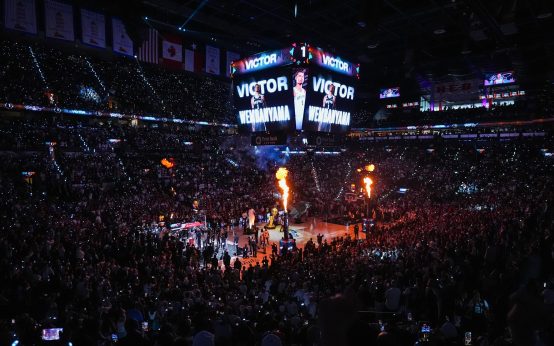 Knicks Edge Spurs in Thrilling Finals Game
 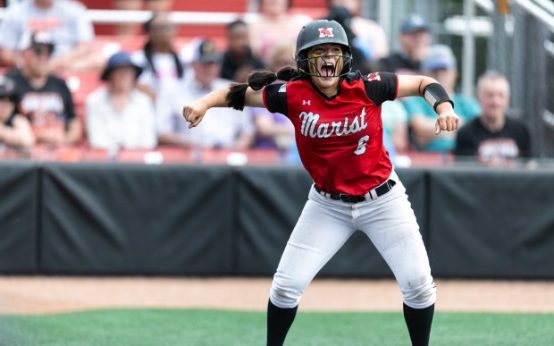 Marist’s Lexi Kyros Showcases Skill in State Semifinal
  Mundelein Advances to State Championship Game
 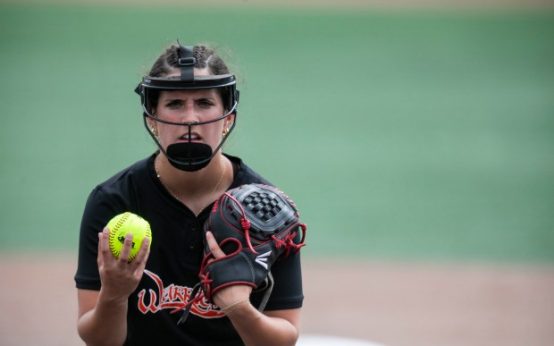 Lincoln-Way West Advances to State Final with a Key Victory
  Knicks Lead Spurs As Fourth Quarter Begins: A Playoff Showdown
  Knicks Maintain Lead With Strong Third Quarter Play