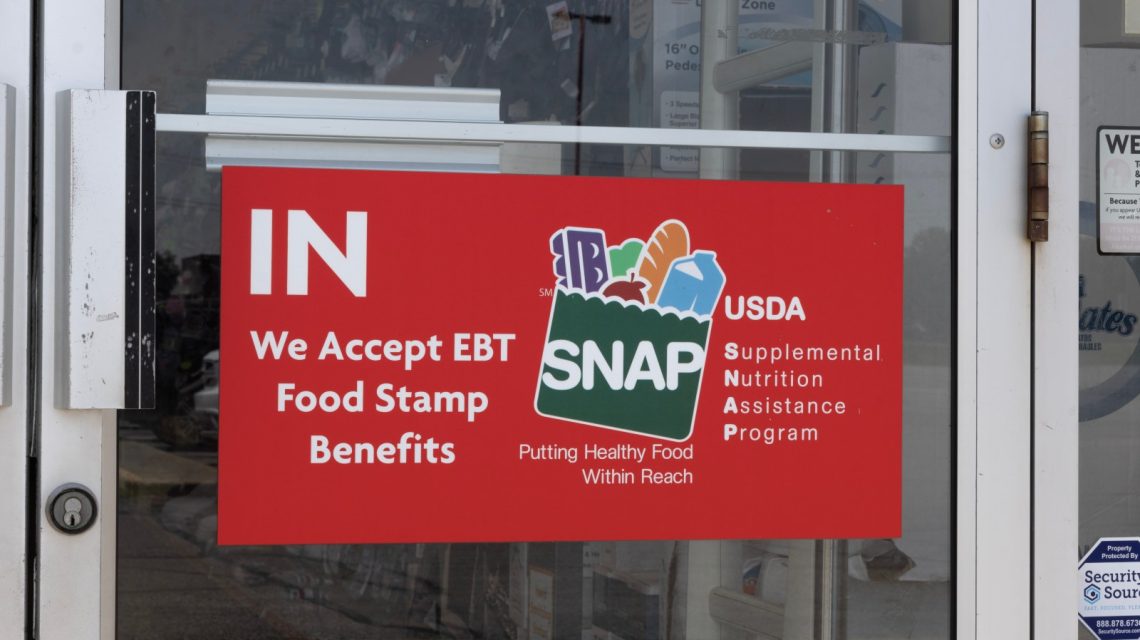
Significant Loss in Food Assistance for Children
Recent reports from ProPublica and the Center on Budget and Policy Priorities have highlighted a major issue facing children in the United States. Hundreds of thousands have lost access to food assistance under the Supplemental Nutrition Assistance Program (SNAP). This follows sweeping federal changes made to the program in 2025 during the Trump administration.
The Trump administration aimed to reduce waste, fraud, and abuse in government programs by implementing stricter eligibility standards and expanded work requirements. This led to a reduction in federal support to states administering programs like SNAP.
Kevin Thompson, CEO of 9i Capital Group, emphasized that whether intentional or not, the result has been a loss of benefits for hundreds of thousands of Americans who previously relied on them.
Importance of SNAP
SNAP is the largest anti-hunger program in the U.S., supporting millions, especially families with children. It has been linked to reductions in poverty and food insecurity, leading to improved health outcomes, according to the Center on Budget and Policy Priorities (CBPP). The recent loss of benefits raises serious concerns about the long-term effects on low-income American families.
Current Statistics
ProPublica’s analysis reveals that at least 776,000 children in 12 states have lost SNAP benefits. This group represents about 46 percent of the overall decline in SNAP enrollment in those states. Meanwhile, the CBPP estimated that more than 700,000 children have lost benefits in the same states. Overall, SNAP participation has dropped by millions nationwide. Given not all states report enrollment by age, actual national figures might be even higher.
“These families depend on this food assistance for basic nutrition,” Representative Jim McGovern stated while questioning Secretary of Agriculture Brooke Rollins.
ProPublica Analysis
ProPublica compared SNAP participation before and after the 2025 federal law’s implementation in 12 states. The budget reconciliation package known as H.R. 1 reduced SNAP spending by approximately $187 billion through 2034. This 20 percent cut marked the program’s largest budget drop in history.
Alex Beene, a financial literacy instructor, noted that more work rules, paperwork, and state staffing shortages are pushing families out of SNAP, despite children not being the intended target. Consequently, families are forced to seek food banks, cut other essentials, or buy less food.
CBPP Findings
The CBPP concluded that children accounted for nearly half of the 1.6 million-person decline in SNAP participation in those 12 states. The key issues are not reduced need but barriers introduced under H.R. 1, such as states covering part of SNAP costs for the first time and facing penalties tied to payment error rates, which have led to restrictive changes.
Arizona, for example, saw a 55 percent decline in child participation, with a 205,223 drop, while Louisiana recorded a 22 percent loss.
Potential Impacts on Children
The loss of SNAP benefits can have severe long-term consequences. As SNAP is linked to better health and lower disease risks, an increase in diet-related illnesses is likely for children who miss out on these benefits. Economic hardship links to higher crime rates, housing instability, and poor educational outcomes, which might perpetuate across generations.
“The long-term concern is an increase in poverty. When families struggle with basic needs, effects rarely stop with one generation,” Thompson remarked.
The impact on education is also significant, as cognitive development and school performance are affected by the lack of regular healthy food, translating to reduced long-term earning potential. Additionally, losing SNAP eligibility can make children less likely to qualify for related programs like WIC and school meals.
Future Outlook
The full impact of these changes might not be evident yet since some provisions of the 2025 law haven’t fully taken effect. With new financial obligations starting in 2027, there might be increased pressure on states to further restrict SNAP access.
“Childhood hunger links to poorer health and weaker academic performance,” Beene emphasized, highlighting the broader consequences beyond individual meals.
 Navigating Complex Relationships with Therapeutic Insights
  Supporting a Loved One Through Cancer: What You Can Do
  Embryo Mix-Up Leads to Complex Custody Agreement in Florida
  Copper-Based Drug Shows Promise in Tackling Alzheimer’s
  FTC and States Sue WPATH Over Gender-Affirming Care Claims
  Challenges of Tackling Ebola in Congo and Uganda