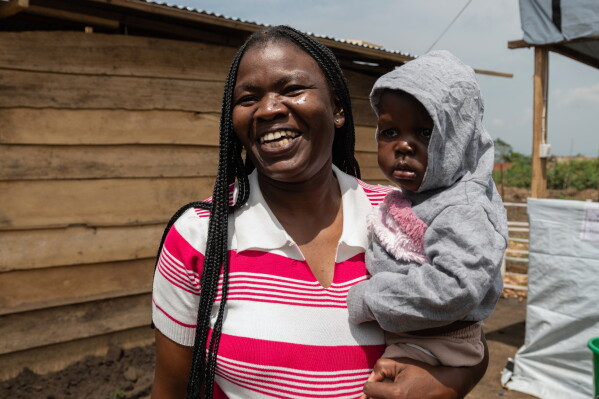
Ebola remains a pressing issue in Congo and Uganda. Some patients seek hospitals, while others turn to traditional healers. The disease is perceived by many as a spiritual ailment, leading them to seek alternative remedies like herbs and prayers.
Since its first identification in the Congo Basin in 1976, Ebola has continued to perplex many in Africa. Religious leaders often become the first responders in these emergencies. Victims include health workers and worshippers exposed during gatherings. Ebola spreads through contact with the bodily fluids of the infected.
In Bunia, Ituri province, misinformation hampers efforts to combat the outbreak, which has killed over 181 people. Rumors suggest that Ebola spreads through charms tied to dollar bills. According to Onesphore Bangenza of Mercy Corps, many view the disease as something mysterious rather than a condition requiring medical attention. This distrust in the health system pushes people towards traditional healers.
Rare Strain of Ebola
The Bundibugyo virus, a less common Ebola strain, causes the current outbreak. No approved medicines or vaccines are available. The region also faces armed conflict and displacement, worsening the crisis. The World Health Organization declared it a public health emergency, and the U.S. temporarily banned entry to visitors from affected areas.
Deogratias Kasereka, a catechist leader cured of Ebola in Mongbwalu, shared his experience. Initially, he did not seek medical help until persuaded by his children. His symptoms included muscle weakness and severe heat, leading him to eventually seek hospital care. Such symptoms often discourage patients from seeking conventional medical help.
Mistrust and Medical Limitations
In Bundibugyo, confusion about initial symptoms was evident during the 2007 outbreak. Samuel Kuule described his experience, pointing out that misdiagnosis led people to believe they were bewitched. Early victims consulted traditional healers, often tragically. A traditional healer switched from prayers to administering herbs when he realized Ebola was spreading.
Ebola outbreaks usually begin when the virus transfers from wildlife, like fruit bats, to humans through handling and consumption of wild meat. The WHO emphasizes the importance of early testing and isolating contacts. However, cultural and religious practices complicate these efforts. Burying the deceased per tradition remains a priority despite the risk of spreading the disease.
Ugandan President Yoweri Museveni criticized religious leaders for touching the sick. He cited advice from WHO chief Tedros Adhanom Ghebreyesus, suggesting prayers without physical contact.
Ebola challenges health workers in regions where religious beliefs run deep. The tension between traditional practices and medical science poses significant obstacles in controlling outbreaks.
 Major Cat Meat Crime Ring Busted in Vietnam
  The Impact of GLP-1 Receptor Agonists on Weight Loss and Mental Health
  Cancer Incidence Rises in Iowa
  Impact of GOP Cuts on Healthcare Facilities
  Ebola Outbreak in East Africa: Concerns of Prolonged Crisis
  Decline in Infant Mortality in the U.S.: 2025 Marks New Record