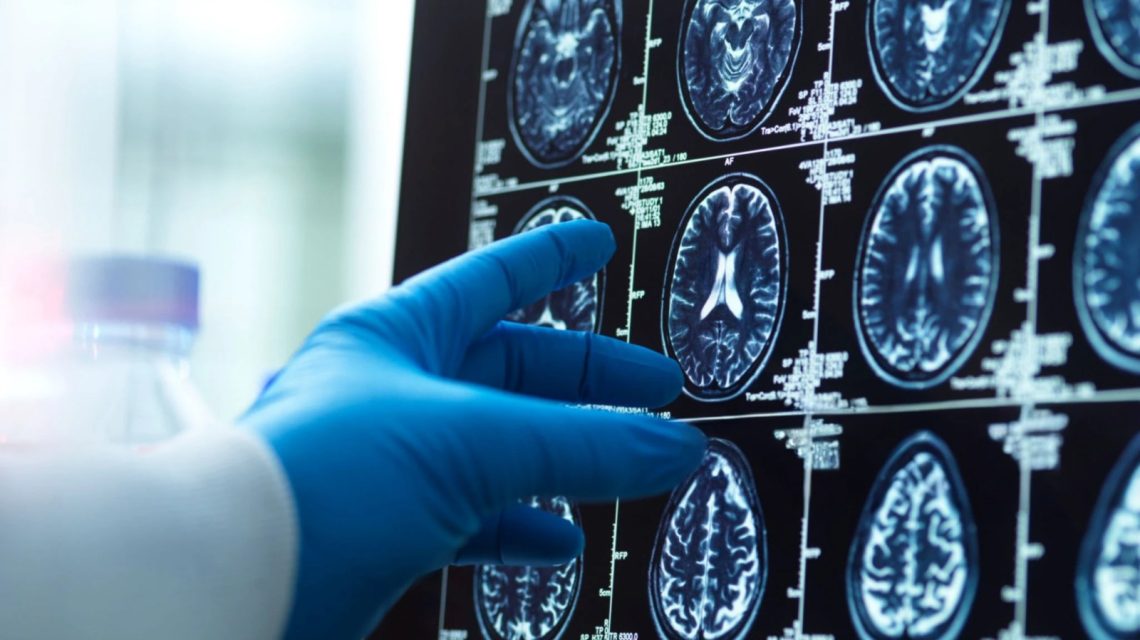
Researchers at Monash University have found that a copper-based drug, Cu(ATSM), could offer a new approach to addressing Alzheimer’s disease. This compound has been shown to reduce toxic proteins in the brain and improve memory in laboratory studies. Published in ACS Chemical Neuroscience, the study indicates that Cu(ATSM) targets the brain’s waste-removal system, a crucial process that often fails in Alzheimer’s patients.
Understanding Amyloid-Beta Buildup
Alzheimer’s partly develops due to the accumulation of amyloid-beta proteins in the brain. Normally, these proteins are cleared through the blood-brain barrier, a protective control system. In Alzheimer’s patients, this system’s efficiency decreases, allowing harmful proteins to gather. P-glycoprotein (P-gp) pumps play a central role in transporting these waste products from the brain to the bloodstream. When these pumps falter, the brain struggles to remove toxic material.
Cu(ATSM) and Its Impact
The study reveals that Cu(ATSM) can enhance the function of these clearance pumps. According to the lead author, Dr. Jae Pyun, Cu(ATSM) improves blood vessel function, lowering toxic protein levels and enhancing cognitive performance. Dr. Pyun stated, “This is the first study to show that Cu(ATSM) can increase the abundance of P-gp clearance pumps in an Alzheimer’s model, by 24.1 percent, linking blood-brain barrier repair to reduced toxic proteins and better cognitive function.” Over 56 days, the treatment reduced amyloid-beta by 42 percent and enhanced spatial learning by 44 percent.
The findings suggest that repairing the blood-brain barrier could be crucial in slowing or reversing Alzheimer’s damage.
Potential for Human Trials
Senior author Professor Joseph Nicolazzo highlighted that Cu(ATSM) might advance to human trials faster since it has already been tested for safety in other neurological conditions. Cu(ATSM) has anti-inflammatory and neuroprotective properties and is undergoing clinical testing for Parkinson’s and ALS. Nicolazzo noted the significance of amyloid reduction in improving symptoms, supporting further testing.
Challenges and Future Directions
Though promising, the research seeks to clarify how amyloid-beta exits the brain post-repair of the barrier. One hypothesis is that Cu(ATSM) boosts microglia activity, immune cells aiding in toxic protein breakdown. Dr. Dayan Goodenowe emphasized that Alzheimer’s is a complex condition involving various biological factors. He stated, “The key question is whether the intervention improves cognition, function, and outcomes in humans.”
Future research will delve deeper into these mechanisms. This study highlights the potential of therapies targeting blood vessel health and protein clearance systems in addressing Alzheimer’s. With rising dementia rates, these findings could inform future Alzheimer’s therapies by focusing on the brain’s natural cleaning systems.
 FTC and States Sue WPATH Over Gender-Affirming Care Claims
  Challenges of Tackling Ebola in Congo and Uganda
  The Impact of GLP-1 Receptor Agonists on Weight Loss and Mental Health
  Cancer Incidence Rises in Iowa
  Impact of GOP Cuts on Healthcare Facilities
  Ebola Outbreak in East Africa: Concerns of Prolonged Crisis