
Scientists globally are deeply engaged in a debate with significant implications for extreme weather and expensive disasters: Is climate change increasing the intensity of El Niño?
El Niño, a natural phenomenon occurring every few years, raises global temperatures. The current event has just started and is expected to continue through 2027. Researchers anticipate this version may be particularly strong, potentially breaking records. Over recent decades, as greenhouse gases have warmed the planet, El Niño events have been notably powerful. This trend of strong El Niños since the 1980s is unprecedented when compared to the past 600 years.
Some scientists argue that climate change is intensifying El Niño. Conversely, others believe clear evidence for this theory is lacking.
“It’s highly contested, because it’s such an important question to get right,” said Kim Cobb, a climate scientist and director at the Institute at Brown for Environment and Society.
This uncertainty may persist for years, pending more data collection.
Understanding the impact of climate change on El Niño is vital because these events disrupt global weather patterns, often with devastating consequences. They drive temperatures higher, increase the risk of drought in some areas, and cause flooding in others. El Niños are, fundamentally, ocean anomalies. If climate change enlarges these anomalies, it could lead to increased chaos and damage.
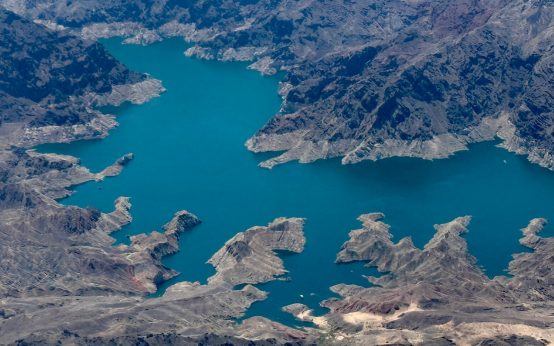 Lake Mead’s Accelerating Decline: New Projections and Implications
 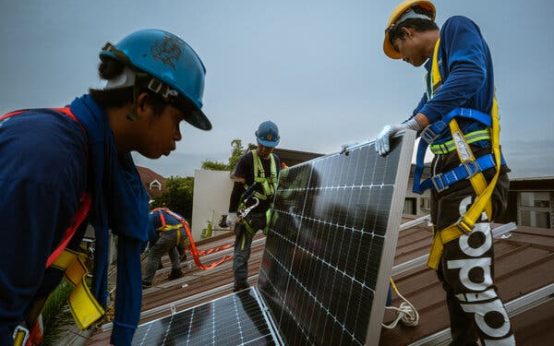 Southeast Asia Turns to Solar Energy Amid Energy Crisis
 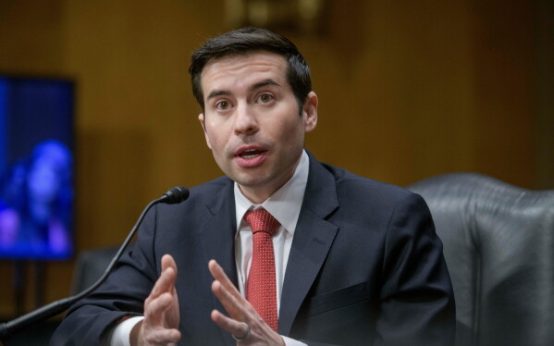 Trump Administration’s Offshore Wind Leasing Strategy
  African and Commonwealth Nations Push for High Seas Treaty Implementation
 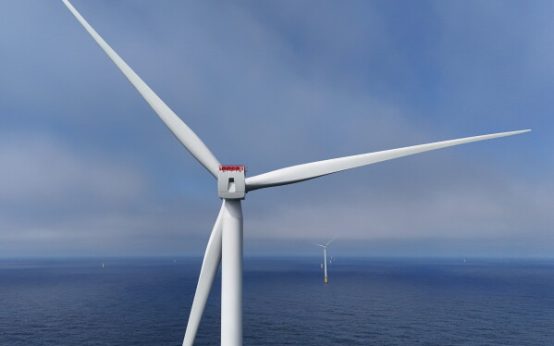 Tropical Storm Arthur Forms and Threatens Gulf Coast with Heavy Rain
  Seismic Stress Reaches Millennium Highs on San Andreas and San Jacinto Faults