
The Gila monster, a slow-moving desert lizard, has a unique ability to regulate its blood sugar over extended periods without food. This caught the attention of John Eng, a physician-scientist, in the early 1990s. Working at a Veterans Affairs hospital, he, along with a colleague, studied the lizard’s venom. They discovered a molecule similar to a human gut hormone, which remained active for hours rather than just minutes.
This discovery led to the development of GLP-1 drugs, including famous ones like Ozempic and Wegovy. These drugs are transformative in treating diabetes and obesity, and also show promise for heart disease and other conditions. The potential to save tens of thousands of lives each year highlights the importance of this discovery, which came from relatively inexpensive research by Dr. Eng.
However, the system that allowed for such innovation is facing challenges. In 2025, the Trump administration froze or canceled billions in research grants. While courts have released some of the frozen funds and Congress opposed proposed cuts, funding agencies are offering fewer grants than before. This trend extends over the past year and a half.
As Congress reviews the next budget, further cuts proposed by the Trump administration might exacerbate the situation. A new rule suggests that federal grants should align with presidential policy priorities, potentially leading to further delays in grant awarding.
The implications of reduced funding are significant. Universities have reduced graduate program admissions, affecting the influx of new scientists. Rachael Sirianni, a cancer researcher, expressed skepticism about securing funding for a promising drug aimed at treating children’s brain tumors.
Limited support for scientific research restricts the exploration of unique questions that drive medical progress. Historic examples showcase this: a soil sample from Easter Island led to rapamycin, crucial for organ transplant acceptance; bacteria in yogurt vats spawned CRISPR gene editing, revolutionizing genetic corrections. In 2025, CRISPR was employed to correct a deadly mutation in a newborn.
 Ancient Plague Evidence Unearthed by Scientists
  African and Commonwealth Nations Push for High Seas Treaty Implementation
  Seismic Stress Reaches Millennium Highs on San Andreas and San Jacinto Faults
  The Empire State Building’s Airship Ambitions
  Positive Developments for Coral Reefs Amid Global Warming
 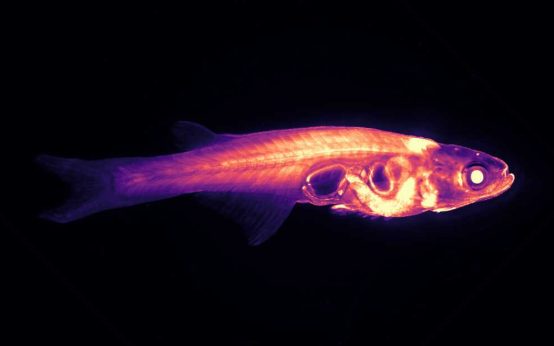 Using Danionella Fish to Unlock Brain-Behavior Connections