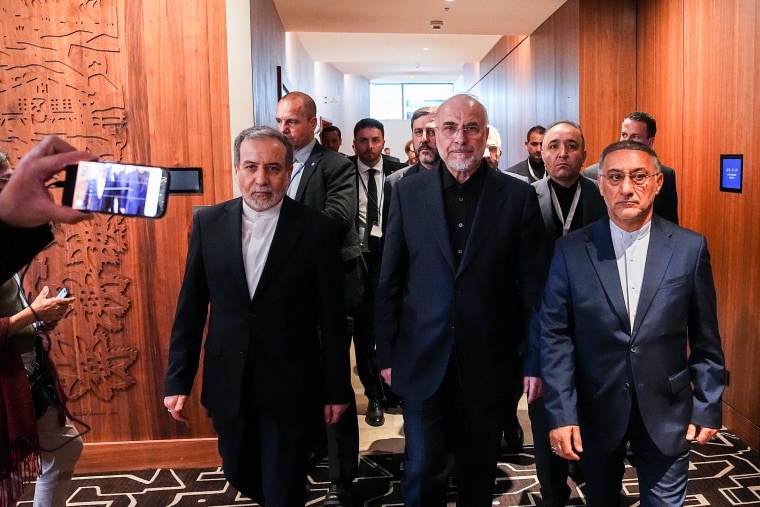
Iran has agreed to allow nuclear inspections into the future, according to US President Donald Trump. This comes amid denial from Tehran of such concession related to talks aimed at permanently ending hostilities between the nations. The divergence in statements emerged after Vice President JD Vance positively assessed high-level negotiations in Switzerland, indicating a strong foundation for a final deal.
Reports suggest Iran consented to the International Atomic Energy Agency (IAEA) inspecting Iranian nuclear sites targeted by US strikes. Vance also mentioned that Iran would use unfrozen financial assets to purchase American-grown food. Trump reinforced these claims, stating that negotiations would cease without Iran’s agreement. Consequently, Trump decided against a naval blockade of the Hormuz Strait.
If Iran didn’t agree, negotiations would stop, Trump asserted on Truth Social. He confirmed the Hormuz Strait would remain open, citing substantial Iranian concessions.
In Tehran, Foreign Ministry spokesperson Esmail Baghaei denied scheduled IAEA visits to bombed nuclear sites. Since Israel’s war in 2025, the IAEA has operated in Iran but lacked access to US-targeted sites.
Meanwhile, violence resurfaced in southern Lebanon as Israeli soldiers opened fire, killing two. This incident follows a ceasefire and adds tension to diplomatic efforts, with Iran insisting on complete peace in Lebanon for comprehensive agreement.
Iran’s President Visits Islamabad Amid Ongoing Conflict
Iran’s President Masoud Pezeshkian arrived in Islamabad, marking his first visit since the conflict with the US. Pakistani officials, including President Asif Ali Zardari, warmly welcomed Pezeshkian under strict security. In initial talks, Iran and the US agreed to establish a “de-confliction cell” addressing Lebanon’s turmoil. The strategic Hormuz Strait remained a topic of discussion, crucial for oil transit and previously blocked by Iran.
Pezeshkian highlighted that negotiation success hinges on adherence to agreed obligations. On X, he emphasized that practical commitment defines progress and external statements do not aid negotiations.
Iran’s talks in Switzerland have led to specific negotiation groups focusing on sanctions relief, nuclear issues, reconstruction, and monitoring, per IRNA news agency. A contact mechanism over the Hormuz Strait movement and Lebanon conflict has also been discussed.
Impact on Lebanon’s Conflict
Questions remain about a new deconfliction cell’s ability to halt Hezbollah-Israel clashes. Currently occupying parts of Lebanon, Israel maintains the necessity to combat threats. Violence escalated in Nabatiyeh al-Fawqa town, Lebanon, with Israeli forces opening fire and killing two near a bulldozer.
Discrepancies exist regarding the use of unfrozen Iranian funds. Vance claims that if sanctions are lifted, funds would purchase American agricultural products. Iran disputes US and Qatari control over asset usage decisions.
Prime Minister Benjamin Netanyahu questioned the Lebanon ceasefire’s validity, indicating Israel’s freedom to counter threats remains. Hezbollah demands Israeli withdrawal before ceasing attacks. Yet, no Israeli strikes have occurred post-ceasefire and Hezbollah hasn’t claimed attacks, marking a significant pause.
Lebanon and Israel are slated for direct talks focusing on Israeli withdrawal plans. US President Trump remarked on resolving the situation without elaborating potential actions, a demonstration of ongoing challenges in achieving lasting peace.
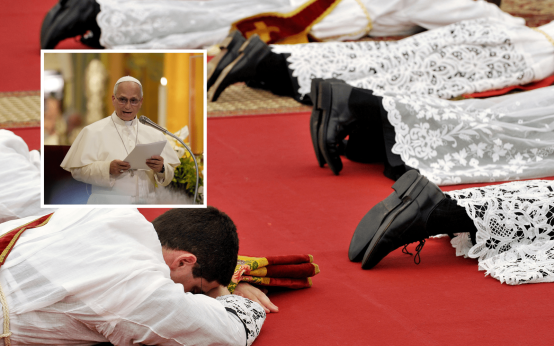 Catholic Church Faces Schism Over SSPX Bishop Ordination
 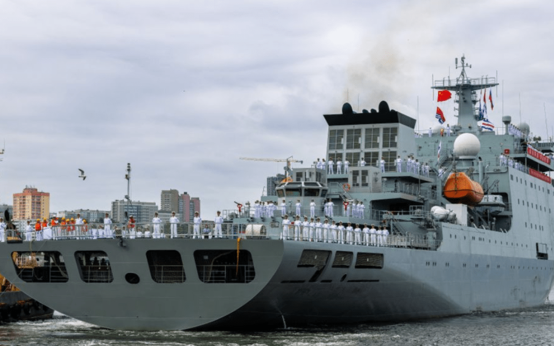 China’s Naval Flotilla Arrives in Vladivostok for Joint Exercises
 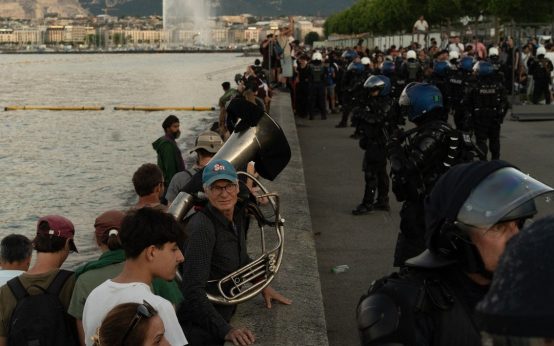 Switzerland’s Population Cap Referendum and Its Implications
  Norway’s Resurgence in the World Cup Spotlight
  Operation Planned to Recover Victim from Mount Everest
  NATO Jets Shadow Russian Bombers in Arctic Flight