
The U.S. Supreme Court, in a 6-3 decision, ruled that the federal government can revoke the standard legal status of returning green card holders if they travel abroad while facing pending, unproven criminal charges. This decision signals a significant shift in immigration policy.
Justice Ketanji Brown Jackson strongly dissented, arguing that the majority bypassed Congressional limits, effectively giving the executive branch more power. She expressed concern over the implications for millions of permanent residents, stressing that Congress typically does not extend such broad authority to the President, even during wartime.
“Even for wartime powers, Congress rarely gives the President a ‘blank check,’” Justice Jackson stated, stressing the risks of executive overreach.
The case, known as Blanche v. Lau, represents a victory for former President Trump’s immigration agenda, which advocated for broader executive power. Green card holders now need to demonstrate their right to remain in the U.S., shifting the burden of proof from the government.
Muk Choi Lau, a lawful permanent resident, experienced immigration parole upon reentry to the U.S. in 2012. At the time, Lau was facing a trademark counterfeiting charge. Arguing government overreach, a lower court agreed with Lau, stating the government required “clear and convincing evidence” of a disqualifying crime upon reentry.
However, the Supreme Court’s conservative majority overturned this view. Justice Clarence Thomas, writing for the court, emphasized the necessity for border officials to make immediate decisions, allowing parole based on crime suspicion during proceedings.
In dissent, Justices Sotomayor, Kagan, and Jackson criticized the decision, highlighting the risk of treating long-term residents as newcomers based merely on accusations, citing potential executive overreach beyond Congressional intent.
The Supreme Court is currently reviewing other cases connected to former President Trump’s efforts, including those concerning birthright citizenship, asylum policy, and temporary protections for migrants escaping conflict and disasters.
 South Carolina Gubernatorial Runoff: Polls Indicate Strong Support for Alan Wilson
 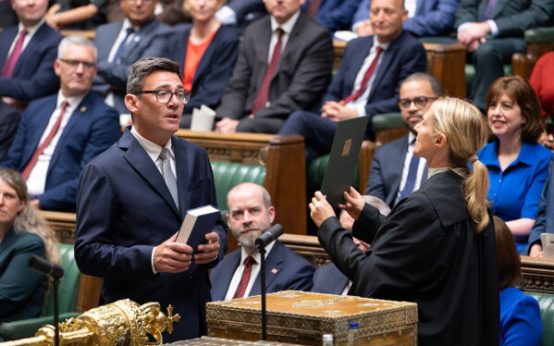 Andy Burnham’s Leadership Bid: Transition in UK Politics
 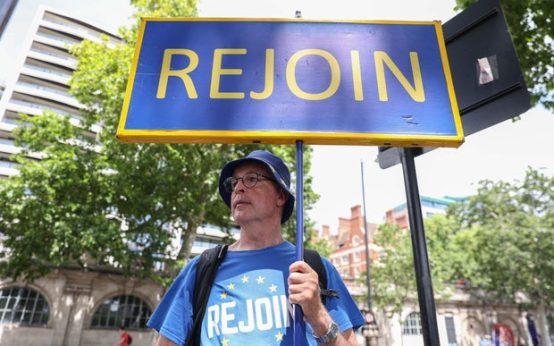 Majority of Brits Now Regret Brexit, Survey Reveals
  Justice Department Withdraws Subpoenas Targeting Journalists
 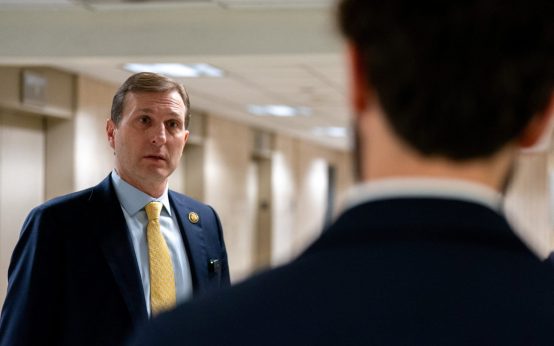 Key Primaries in AI, Democratic Socialism, and Republican Endorsements
  Alaska Candidate Disqualification Sparks Legal Challenge