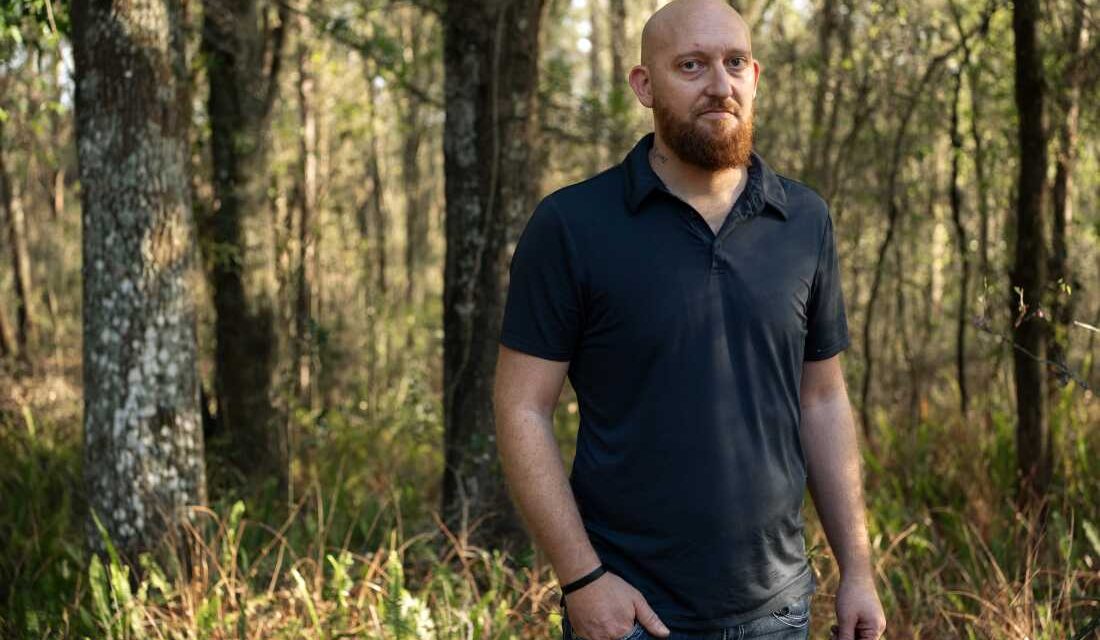
Wade Hanicker, residing in Brooksville, Florida, was diagnosed with silicosis after years of handling quartz countertops. Hanicker has been working in this industry for around 15 years, cutting and polishing large stone slabs using power tools. Initially concerned about physical injuries from the job, Hanicker didn’t foresee the lung disease risk associated with breathing in silica dust. Quartz contains a high amount of silica, making it dangerous if inhaled.
The California Epidemic
California has reported over 550 silicosis cases among countertop workers, with the majority being Hispanic men. More than 30 workers have died, and over 50 have required lung transplants. On May 21, California will vote on banning the cutting of high-silica quartz countertop material, amidst concerns of additional toxic ingredients causing severe diseases. Rebecca Shult, a lawyer for quartz company Cambria, challenges the notion that engineered stone products are solely responsible for these health issues. Meanwhile, other states, including Florida, report fewer cases. Epidemiologist David Michaels suggests this discrepancy stems from California’s proactive case tracking.
Impact on Lives
Many doctors remain unfamiliar with silicosis, often leaving workers misdiagnosed. Hanicker experienced severe chest pain, initially dismissed as pneumonia before a CT scan confirmed silicosis. This life-altering condition affects his marriage and ability to physically engage with his two children. Hanicker is suing quartz slab manufacturers, highlighting the threat of silica dust across all high-silica materials. Khaled Taqi-Eddin, representing Cambria, emphasizes the importance of workplace safety practices to prevent illness.
Legal Actions and Growing Awareness
A Colorado jury recently ruled in favor of Tyler Jordan, a young silicosis patient. Jordan’s illness halted his career at the family countertop shop and led to kidney failure. In Colorado, occupational pulmonologist Cecile Rose has documented cases involving young workers, including cleaners exposed to silica dust. Efforts to track cases are currently informal and reliant on personal networks.
Federal and State Initiatives
The Department of Labor began inspecting countertop workplaces due to rising silicosis concerns. Over 400 workplaces were assessed, revealing significant instances of silica dust exposure exceeding legal limits. Many shops lack medical surveillance for silicosis, mirroring findings from studies and surveys nationwide. Expert Kenneth Rosenman criticizes the flawed data collection systems, potentially missing up to 95% of silicosis cases.
Michaels advocates for a California-led ban on quartz, warning that similar conditions in other states could lead to the same tragic outcomes faced by Californian workers. His call to action stresses the need for systemic change to reduce exposure risks.
 Mount Sinai Health System Faces Subpoena on Gender-related Care
  Potential Ebola Outbreak in Central Africa Raises Concerns of Rapid Spread
  Researchers Escorted Out of Diabetes Conference for Criticizing Trump Administration
 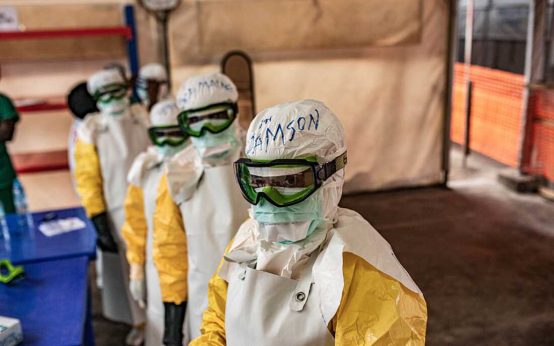 Ebola Outbreak in Africa: A Serious Concern
 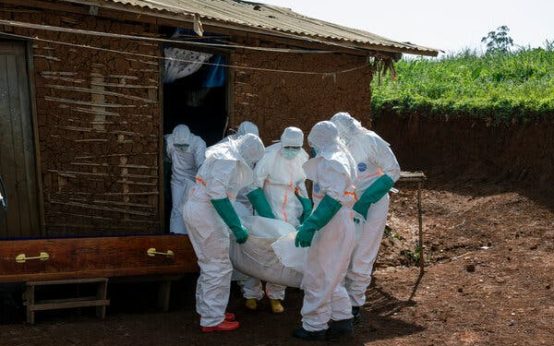 Gold and the Ebola Outbreak in Congo’s Mining Towns
  House Passes Bill for Veterans’ Benefit Increase