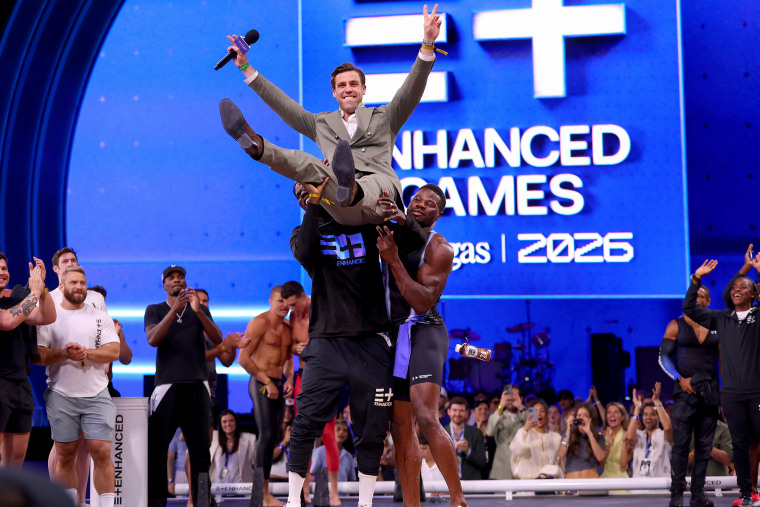
The Enhanced Games, a new sports competition allowing and encouraging doping, stirred considerable debate. Shania Collins, a sprinter with previous contracts from Puma and Adidas, faced a career crossroads in 2024. As her earnings dwindled, she contemplated retiring at 29 to join her parents in the Drug Enforcement Administration. Yet, a hefty offer from the Enhanced Games organizers made her reconsider. The event pays six-figure salaries and up to $250,000 in prize money, luring athletes with financial hardships.
Initially, Collins hesitated about the drugs’ implications and its impact on her DEA future. Consulting her parents, both DEA officials, they questioned the legality and safety of the drugs. Once assured the drugs were legal, prescribed, and safely administered, they supported her decision.
Collins joined 42 athletes at the first Enhanced Games in Las Vegas, a controversial event capturing global attention. Organizers claim the games allow athletes to unlock untapped potential by using performance-enhancing drugs (PEDs). Max Martin, the CEO, defends this approach by comparing it to the essential gear for miners. Echoing this, game executives argued against banning PEDs, likening the prohibition to negligence.
Opponents, including the International Olympic Committee and the World Anti-Doping Agency (WADA), criticize the event as promoting an irresponsible and immoral message. They argue that the games prioritize financial gain over athletes’ health, equating the event to a modern-day spectacle prioritizing entertainment over well-being. WADA likens the games to a ‘Roman circus,’ questioning the value of such spectacles.
A Bold Approach to Doping
Enhanced Games organizers, driven by technological advances reshaping sports, challenge norms by embracing doping. Former top athletes, like British swimmer Ben Proud, join the event, noting a noteworthy shift from traditional, clean sports.
The event highlights varying perceptions of doping among athletes. Some, such as sprinter Reece Prescod, estimate a significant portion of peers would dope if assured of escaping detection. Ivan Rojas, involved in weightlifting for decades, views this event as the ‘Transparency Games,’ promoting openness about sports’ longstanding coupling with doping.
Dr. Guido Pieles, chair of an independent medical commission for the games, outlines the shift from an unrestricted ‘take anything’ mindset to FDA-approved drugs only. Of 42 athletes signing up, 38 chose to dope, with most utilizing testosterone, human growth hormone, and other stimulants.
Participants documented a mix of feelings regarding their doping transition. Ben Proud shared an emotional moment before his first injection, while others like swimmer James Magnussen experienced unintended consequences like muscle gain. Sprinter Mike Bryan and Colombian swimmer Isabella Arcila navigated physical and ethical challenges, the latter opting for egg freezing as a precaution.
Financial Incentives and Legal Challenges
Financial gains are undeniable at the Enhanced Games. Participants earn substantial amounts, with U.S. sprinter Marvin Bracy-Williams signing up after facing a ban for doping. The rewards dwarf typical earnings from traditional competitions. Consequently, some athletes, including non-dopers like U.S. swimmer Hunter Armstrong, join for lucrative payouts while weighing eligibility risks for sanctioned events.
The event’s financial incentives even drew venture funding from notable figures like Peter Thiel, and it has aspirations to monetize drug protocols used by athletes, stirring controversy over potential youth influence.
Coaches like Cody Miller emphasize brutal honesty with young swimmers considering PEDs, highlighting the necessity for recovery aids with age but not in youth. As athletes return from retirement for financial gain, investor Christian Angermayer argues the games promote business transparently, unlike other sports sponsored by ‘evil companies.’
Inaugural Event Execution and Public Perception
The Enhanced Games commenced in a newly constructed open-air stadium costing $50 million near the Vegas Strip. The exclusive audience experienced an event meticulously crafted for TV, emphasizing perception outside the stadium. Unique event rules ensured noteworthy performances, including alterations like additional weightlifting attempts and lenient track standards.
Doping’s inconsistency affected performances, as non-doping athletes triumphed in 100-meter races. Notably, Fred Kerley, serving a ban for missed drug tests, emerged victorious in a clean competition. Collins’ second-place finish in the 100-meter sprint earned $125,000, marking her highest single-event earnings.
CEO Martin measured success by personal records and online attention despite not meeting initial expectations of multiple world records. Gkolomeev’s sole world record in the 50-meter freestyle highlighted the evening. Reflecting on financial gains, Gkolomeev and others considered significant earnings validation enough, despite debates surrounding PEDs’ ethics and sportsmanship.
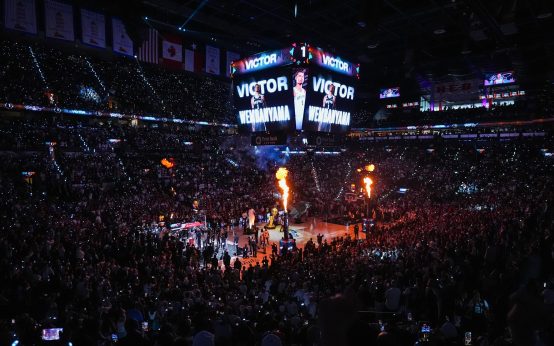 Knicks Edge Spurs in Thrilling Finals Game
 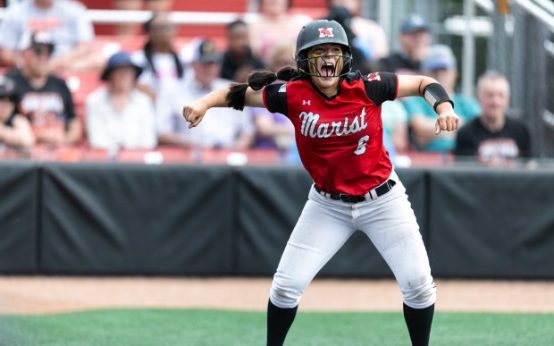 Marist’s Lexi Kyros Showcases Skill in State Semifinal
  Mundelein Advances to State Championship Game
  Lincoln-Way West Advances to State Final with a Key Victory
 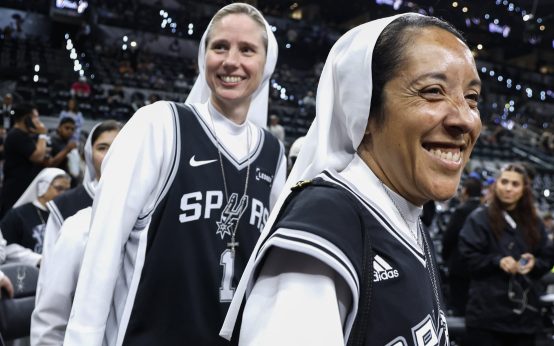 Knicks Lead Spurs As Fourth Quarter Begins: A Playoff Showdown
  Knicks Maintain Lead With Strong Third Quarter Play