As heatwaves intensify, maintaining cool indoor spaces becomes a health necessity rather than a comfort option. Millions in the US have faced extreme heat warnings recently. These warnings sometimes describe conditions as “once-in-a-century” heatwaves. In the Northeast, temperatures have hit triple digits. Experts warn a “super El Niño” could mean hotter future summers, raising management challenges.
Prioritize Indoor Cooling Practices
The National Weather Service advises staying indoors when heat peaks, as prolonged exposure poses health risks. This is especially critical for seniors, children, and those without air conditioning. Yet, practical methods exist to cool homes without air conditioning. Begin with blocking sunlight. Heat surges swiftly when sunlight enters through windows. Close blinds or curtains during peak daylight hours. Matt Plouffe, from Efficiency Vermont, notes, “Summer sun delivers heat right through your windows.” Keeping shades drawn during strong sunlight dramatically reduces indoor heat.
Adjust Daily Routines
Heat emits from appliances like ovens and dryers. Shift these activities to cooler times of the day. Plouffe suggests, “Summer is not the time to roast chicken or make lasagna.” Opt for outdoor cooking or meals needing no heating instead. Utilize cooler night air by opening windows to create cross-breezes. This method cools your home during sleep. Plouffe advises, “Utilize cooler summer evenings and open your windows” but close them by morning before warmth builds.
Effective Use of Fans
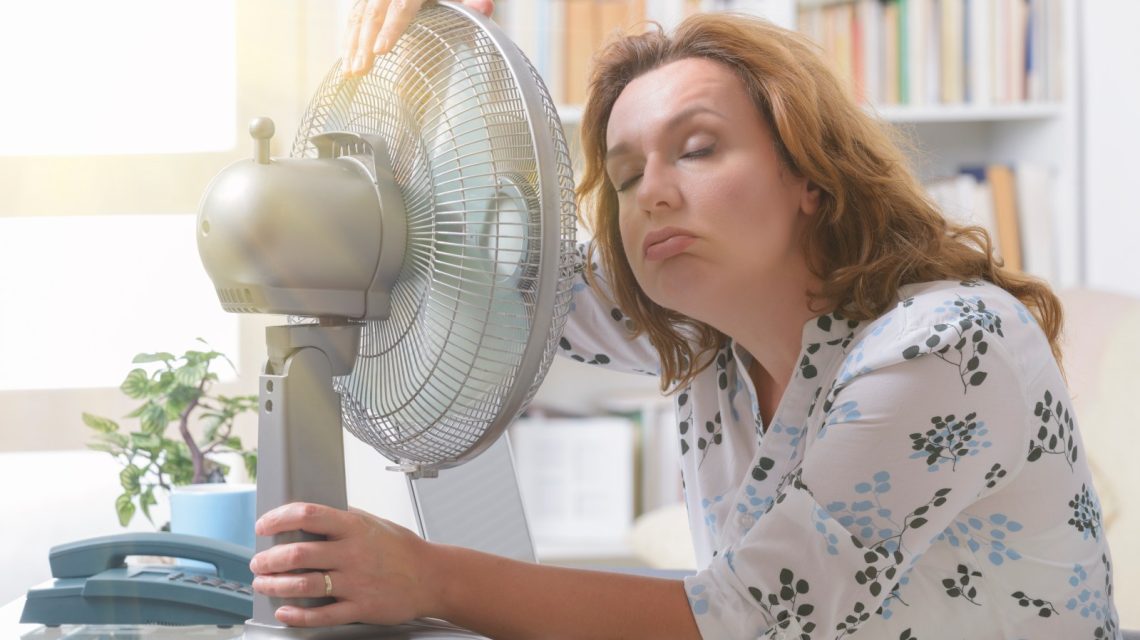
Fans circulate air, not lower temperatures. Position them towards yourself for immediate relief. At night, place fans near open windows to draw in cooler air. Ceiling fans should run counterclockwise to push air downward.
Effective Material Choices
Choosing the right materials can help regulate heat. Replace heavy fabrics with linen and cotton. These natural fibers cool more effectively than synthetics. Remove rugs to prevent heat from accumulating at floor level.
Focus on Specific Areas
If some areas feel hotter, concentrate on the spaces you use most. Close off unused rooms. Austin Kilgore, consumer finance expert, advises using naturally cooler spaces like basements for sleeping on hot nights.
Larger, Impactful Changes
Once basics are addressed, consider bigger changes. Thermal blinds slightly lower indoor temperatures. Observing sunlight paths in your home helps manage its impact. Kilgore notes, “Opening and closing can prevent sun from heating up an area.”
For more extensive measures, your home’s structure matters. External shading, such as awnings, prevents sunlight from reaching windows. Ilic cites these features as more effective than indoor blinds. Optimize ventilation design by letting warm air escape through high windows and drawing cooler air through lower windows.
Internal materials influence temperature control too. Stone, tile, and concrete absorb and slowly release heat, stabilizing temperatures. Walls painted in lighter colors reflect heat instead of absorbing it.
No one solution resolves heat issues instantly. However, combining these practical steps can alleviate heat stress without air conditioning. As Ilic states, “Cooling is cumulative; no single decision transforms a house.”
 Mount Sinai Health System Faces Subpoena on Gender-related Care
  Potential Ebola Outbreak in Central Africa Raises Concerns of Rapid Spread
  Researchers Escorted Out of Diabetes Conference for Criticizing Trump Administration
  Limited Interest in Arctic National Wildlife Refuge Oil Auction
  Ebola Outbreak in Africa: A Serious Concern
  Confronting the Truth Behind Sustainability Buzzwords in the Food Industry