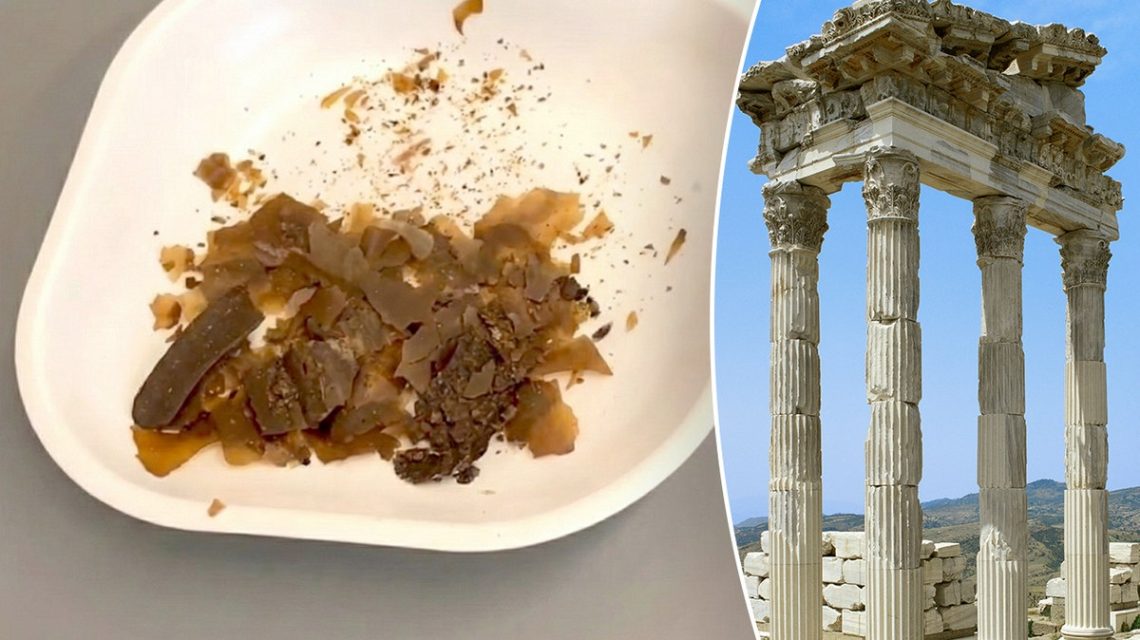
Researchers have provided groundbreaking evidence that Romans utilized an unusual ingredient in their medical treatments, revealing its use of a substance far from conventional standards of cleanliness. This discovery emerged from the analysis of a vessel found at Pergamon, an ancient Greek city that fell under Roman rule in 133 B.C., now located in modern-day İzmir Province in Turkey.
While the vessel appeared ordinary at first glance, further investigation revealed its medical significance. Inside, researchers discovered “dark brownish flakes” that turned out to be fecal matter.
The significance of this find lies in offering the first direct chemical evidence of the medicinal use of fecal matter during Greco-Roman times.– Journal of Archaeological Sciences, April 2026 Edition
Interestingly, the use of fecal matter in Roman medicine is not entirely surprising. Cenker Atila, an archaeology professor at Sivas Cumhuriyet University in Turkey and a co-author of the study, explained that such practices were referenced in ancient texts. However, until now, debates lingered over whether these treatments were truly in practice.
An ancient Roman-era vessel provides tangible proof of the medicinal use of fecal matter. The discovery took place in the renowned city associated with the physician Galen, offering substantial evidence of theories previously considered speculative.
The revelation came when Atila, conducting research at the Bergama Museum, stumbled upon specific glass vessels holding residue during an unrelated project. This led to further extensive investigation with colleagues, resulting in the first archaeological evidence of a Roman medicine practice.
Galen, the legendary physician, reportedly described the very remedy uncovered, which consists of human feces blended with thyme and olive oil. These ingredients were found in an unguentarium, a type of vessel typically used for perfumes but evidently repurposed as a medicinal container.
The thyme served dual purposes: disguising the odor of fecal matter and contributing antibacterial properties. Despite its origins, when the vessel was opened, it emitted no noticeable smell, as noted by Atila.
This significant discovery validates not only the writings from antiquity but also the importance of meticulous archaeological examination. Even seemingly mundane artifacts may conceal material of remarkable historical and scientific value. Consequently, this research underscores the need for attentive analysis of archaeological finds, marking a pivotal advancement in understanding Greco-Roman medicine.
 Flesh-Eating Fly Returns to the United States Causing Concern
 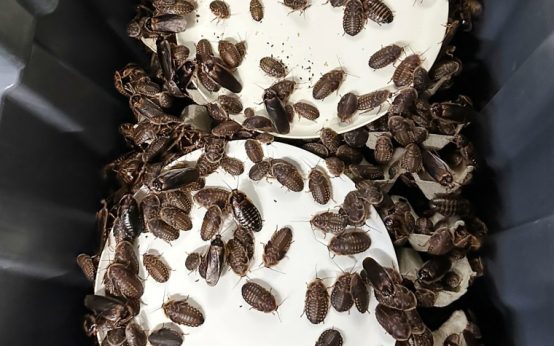 Australia’s Largest Seizure of Exotic Invertebrates: Over 100,000 Cockroaches Confiscated
 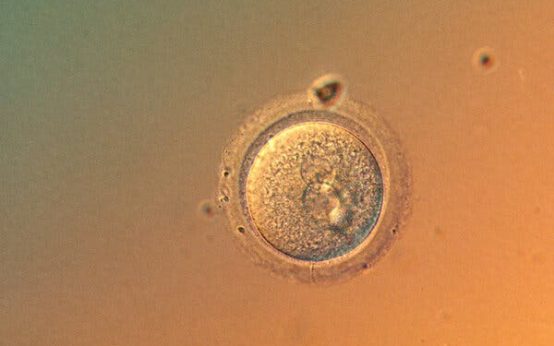 Gene Editing in Human Embryos at Columbia University
  NASA Declares MAVEN Spacecraft Dead After a Decade of Mars Observations
  WHO Reports Reduction in Suspected Ebola Cases in Central Africa
 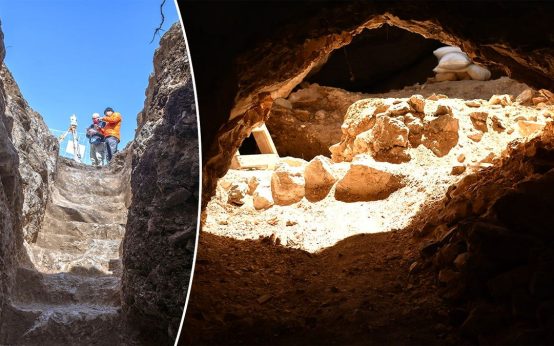 Ancient Tunnel Discovery Near Jerusalem’s Ramat Rachel