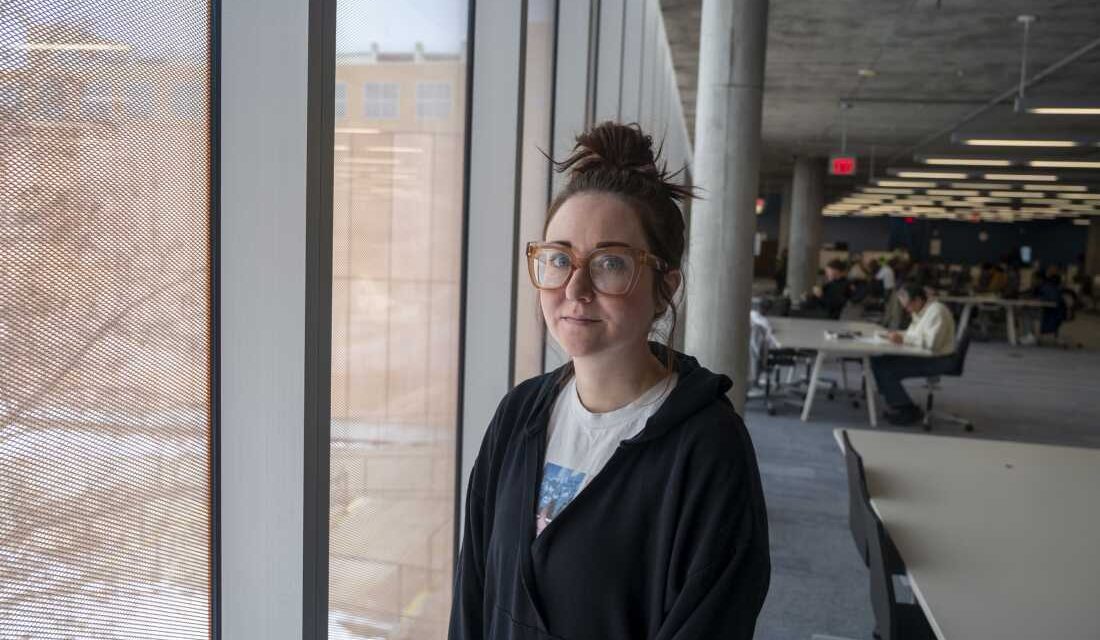
In 2015, Morgan Newman’s life took an unexpected turn with a cervical cancer diagnosis. At the time, she was a 24-year-old dental assistant in Des Moines, Iowa, pursuing a degree in social work. The news came after an abnormal Pap smear result, which escalated following a challenging medical exam. Heavy bleeding during a follow-up led her doctor to refer her to a gynecologic oncologist, where she learned about her cancer.
Newman’s initial response was rooted in her age and the experiences of friends who faced similar situations with benign results. However, the diagnosis demanded six weeks of radiation and chemotherapy. After initially clear scans, doctors later identified suspicious lung nodules, culminating in further chemotherapy and its taxing side effects.
During this period, Morgan struggled with her mental health, feeling disconnected as friends reached significant life milestones while she felt stationary. She understood therapy’s value from past experiences dealing with anxiety and depression but faced financial and time constraints that made it inaccessible.
With her treatment concluding successfully by 2017, Newman obtained a new position with better health benefits, reinitiating therapy to address ongoing anxiety about possible cancer recurrence. She also sought support for infertility, a consequence of her treatment.
Nearly a decade later, Newman remains free from cancer. Her experience has fueled her advocacy work, including her role as Iowa grassroots manager for the American Cancer Society’s lobbying division. Despite progress, she continues therapy to manage anxiety related to former medical challenges.
“The fear of the unknown really takes over and can physically impact your body, as well as your mind, of what if the cancer is back,” she reflected.
Studies highlight that cancer survivors frequently experience prolonged anxiety and depression, which often go unaddressed. A survey by Cancer Nation revealed significant levels of anxiety and identity challenges among those who completed cancer treatment, yet only one-fifth seek mental health help.
Shelley Fuld Nasso of Cancer Nation notes the scarcity of therapists familiar with cancer’s physical and emotional toll. Iowa presents unique challenges, ranking high in cancer diagnoses but facing healthcare staffing shortages, particularly in rural areas.
Dr. Richard Deming, leading MercyOne Richard Deming Cancer Center in Des Moines, addresses these gaps by incorporating wellness programs, such as yoga and counseling, into cancer care.
Through therapy, Newman connected with Julie Larson, a Des Moines therapist specializing in cancer survivor support. Larson observes patients starting therapy long after treatment due to unanticipated emotional struggles.
Larson’s expertise provides a critical understanding of treatment hardships and a supportive outlet to address them. Her role in raising awareness normalizes emotional reactions to cancer.
Patricia Ganz, an oncologist and UCLA professor, emphasizes that oncology often overlooks mental health. Despite growing awareness and calls for psychological screenings, the follow-up on these screenings lacks consistency due to limited mental health provider access.
Dr. Deming advocates for comprehensive cancer care that addresses more than physical symptoms. He believes that recognizing patients’ broader experiences through every treatment phase is essential to effective healthcare, a philosophy slowly gaining traction within the medical community.
The efforts at the Richard Deming Cancer Center reflect a broader understanding of cancer’s impacts, extending support through both clinical and mental health services.
This report is a collaborative effort involving NPR, Iowa Public Radio, and KFF Health News.
 Navigating Complex Relationships with Therapeutic Insights
  Supporting a Loved One Through Cancer: What You Can Do
  Impact of Declining SNAP Benefits on Children in the U.S.
  Embryo Mix-Up Leads to Complex Custody Agreement in Florida
  Copper-Based Drug Shows Promise in Tackling Alzheimer’s
  FTC and States Sue WPATH Over Gender-Affirming Care Claims