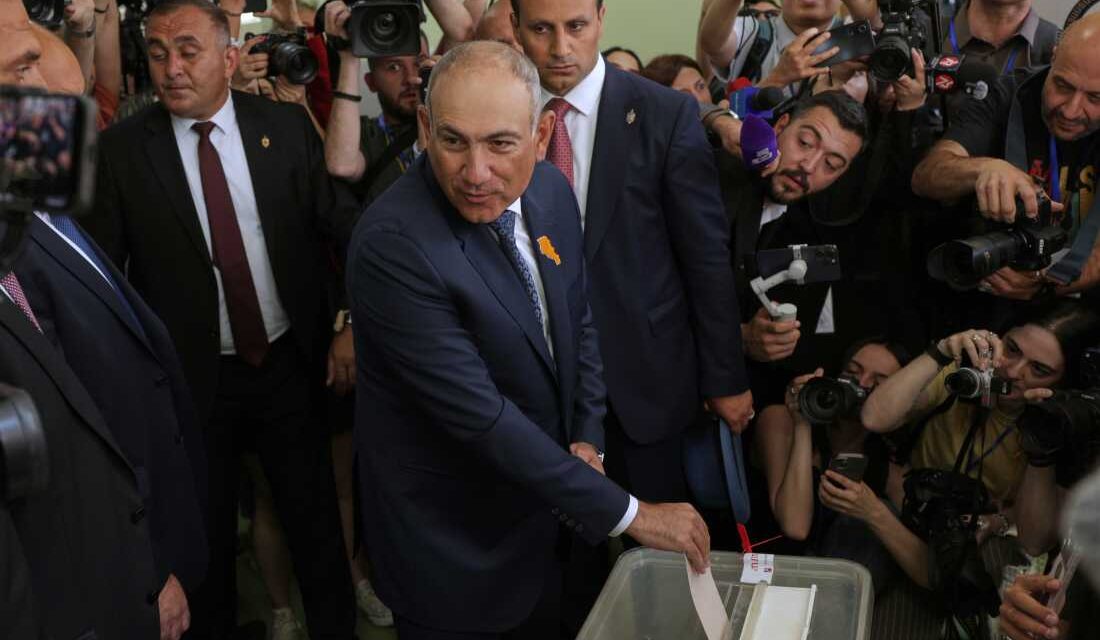
On June 7, 2026, Armenians participated in a parliamentary election as the government aimed to redefine its geopolitical stance. Prime Minister Nikol Pashinyan’s Civil Contract party sought a mandate to pivot toward stronger relations with Western nations, while facing opposition from pro-Russian parties.
Pashinyan emphasized Armenia’s commitment to independence, democracy, and law, citing the European Union as a key partner in reforms. Despite assurances of stable ties with Russia, Armenia has recently faced restrictions on exports from Moscow.
Armenian investigators issued arrest warrants for opposition members, alleging vote-buying. Nonetheless, opposition leaders like Samvel Karapetyan maintained that these actions wouldn’t sway voters. Karapetyan himself is under house arrest, accused of attempts to overturn the government.
The election competitors include various blocs and parties, some supporting closer Moscow ties. Strong opposition figures like former President Robert Kocharyan, head of the Hayastan bloc, and Prosperous Armenia leader Gagik Tsarukyan, criticized Pashinyan’s efforts to improve relations with Azerbaijan.
The U.S. and European leaders expressed support for Pashinyan, with President Trump lending vocal endorsement. Russian President Vladimir Putin warned of parallels between Armenia’s Western leanings and Ukraine’s EU aspirations.
Russia imposed new restrictions on Armenian agricultural products, dictating violations of import rules. The European Commission condemned this as economic coercion. Relations are complicated by Russia’s control over Armenia’s energy and infrastructure sectors.
Armenia’s geopolitical future remains uncertain, as balancing ties between Western allies and Russia poses challenges to government strategy.
 Challenges of Resuming Traffic Through the Strait of Hormuz
  Trump’s Endorsement Results Mixed in Georgia and Alabama Runoffs
  Confusion Grows as Canadian Authorities Revisit Citizenship Certificates
  Trump’s Influence Tested in Recent GOP Runoffs
 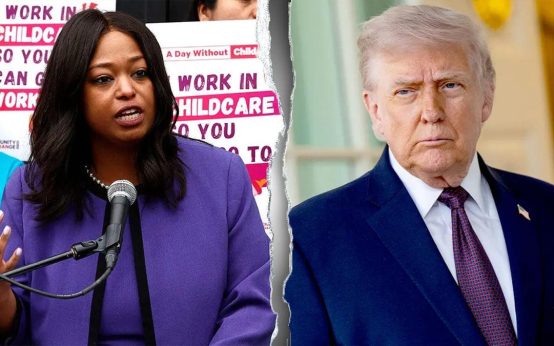 Socialist Candidate Leads in D.C. Mayoral Race
  Iranian Tankers Bypass U.S. Blockade Ahead of Peace Deal