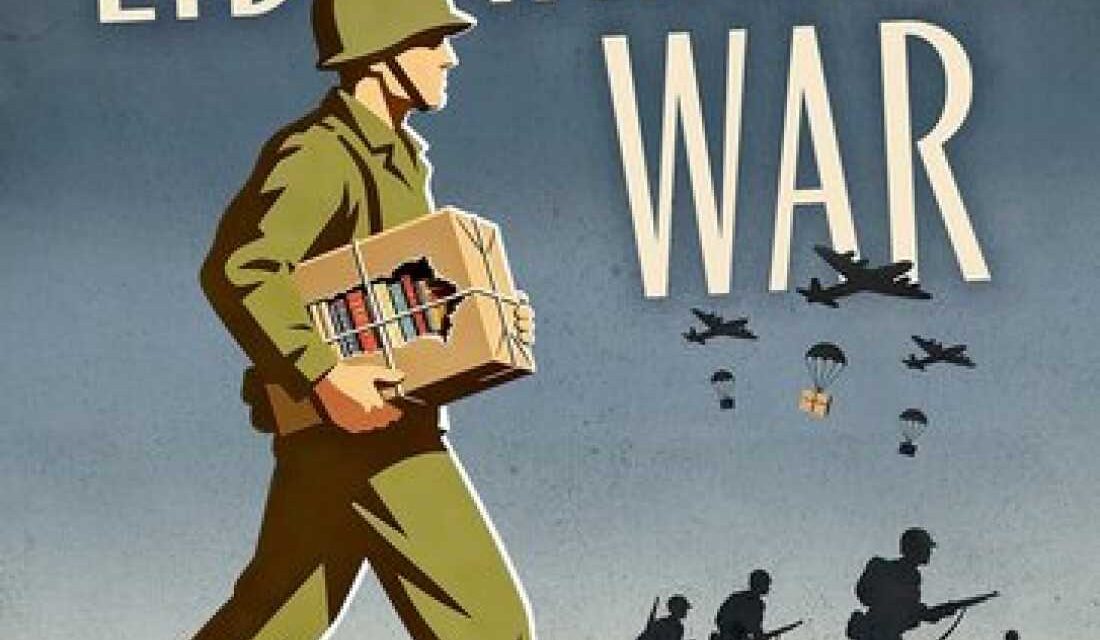
Growing up, I noticed that many fathers in my neighborhood had served in World War II. True to their stereotype, they rarely spoke about their experiences in the war. Instead, details emerged subtly over time. One of my best friend’s father, who served in the Air Force in China, taught us how to say ‘hot water’ in Mandarin. Another father, who was an Army vet, once mentioned burning his uniform upon returning home, which left us confused. My father, a Navy veteran, referred to ‘funny paperbacks’ that circulated during the war. It was during my research for a book on The Great Gatsby that I realized he was among millions who benefited from a tremendous book distribution effort known as the ‘biggest book giveaway in history.’
When the United States entered World War II, initiatives aimed to provide books to servicemen to alleviate boredom. The books needed to be small and light to fit in soldiers’ pockets. Publishers, librarians, and booksellers formed the Council on Books in Wartime to address this challenge. Their book distribution plan contradicted the Nazi book burnings starting in 1933. The Council’s motto was ‘Books Are Weapons in the War of Ideas.’ The program for servicemen underscored the freedom to read widely.
Colonel Ray Trautman played a significant role in this effort. A Librarian’s War,
a book coming out in September by Molly Guptill Manning, reveals how Trautman not only distributed books but also began producing them. The Armed Services Editions (ASEs) were these ‘funny paperbacks’ my father mentioned. Printed on pulp paper, ASEs began production in 1943. By 1947, the program had distributed nearly 123 million books to U.S. troops. Distribution peaked on the eve of D-Day, with soldiers carrying ASEs in their pockets. The most favored title among them was Betty Smith’s A Tree Grows in Brooklyn.
The book selection committee made diverse choices beyond what they assumed the troops would prefer. They included cowboy stories, Tarzan tales, and suspense fiction. Forever Amber, a steamy historical romance by Kathleen Winsor, became especially popular. Among the 1,322 titles were classics like Moby Dick, biographies of Frederick Douglass and Queen Victoria, and works by Lincoln, Emerson, Longfellow, Keats, and Edna St. Vincent Millay. While the ASEs predominantly featured works by white authors, there were attempts to ban some books. Manning describes in her book how, during the 1944 presidential election, ASEs perceived to favor then-President Roosevelt became targets for bans.
Editorials and letters from readers across the country opposed these bans. Even the troops learned of the bans and protested. Manning quotes a soldier’s letter stating: ‘It will be recalled that Mr. Hitler got his start by banning and burning books with which he, in his wisdom, did not agree.’ The widespread pushback succeeded, ensuring soldiers maintained their freedom to read.
If you’re eager to learn more before A Librarian’s War is released, other books such as Manning’s When Books Went to War and a volume published by the Library of Congress titled Books in Action provide insight into the ASEs. My own visit to the Library of Congress in 2012 was a step in discovering how The Great Gatsby, initially published in 1925 with mixed reviews and poor sales, quickly gained recognition post-F. Scott Fitzgerald’s death in 1940. Becoming an ASE in 1945, 155,000 copies of Gatsby were circulated to servicemen. The Library of Congress, our national book archive, houses the only complete ASE collection. Anyone can request access. Holding one of these compact books, recognizing its past significance, is a potent experience.
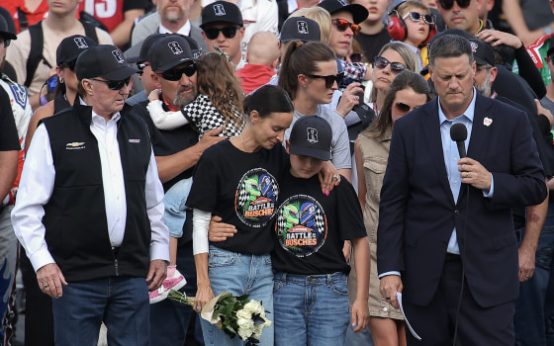 NASCAR Community Mourns the Loss of Kyle Busch
 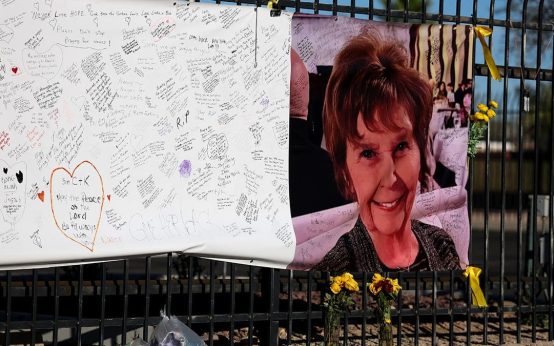 Persistence in Investigations: Encouragement and Challenges
  Support Pours in for Airport Worker After Viral Video
  Challenges of Reentry After Years in Prison
  YouTuber Sparks Debate Over Abortion Rights and Down Syndrome
  Significant Events in Chicago on June 5