
The Department of Homeland Security (DHS) is undertaking a robust recruitment campaign to bolster its immigration enforcement personnel. This initiative, focused on Immigration and Customs Enforcement (ICE), employs extensive national security themes and tactical visuals to appeal to potential recruits. Examples of these recruitment materials include the depiction of a bomber jet flying overhead, armed officers in tactical gear, and imagery featuring traditional American motifs such as cowboys on horseback.
According to an internal report by the Washington Post, ICE’s recruitment strategy is described as a ‘wartime recruitment’ effort, with a budget of $100 million aimed at hiring thousands of new officers. This approach comes against a backdrop of increasing tension in public interactions with DHS, sometimes resulting in violent outcomes.
SEN RUBEN GALLEGO: I WON’T FUND A ROGUE ICE THAT SHOOTS FIRST AND CALLS IT LAW ENFORCEMENT.
The recruitment campaign utilizes targeted digital advertising, especially aimed at individuals with interests in firearms, tactical equipment, and military culture. This includes outreach at events like UFC fights and gun trade shows, and employs ‘geofencing’ technology to deliver ads near specific locations such as military bases.
Former Homeland Security Investigations supervisor Oscar Hagelsieb has raised questions about how the recruitment’s aggressive tone aligns with the expectations and responsibilities of civilian law enforcement. Hagelsieb, a retired ICE veteran and supporter of rigorous immigration law enforcement, expressed concerns that the rhetoric and imagery could attract individuals who might not align with the agency’s mission. He remarked, ‘You’re pushing this agenda that you’re doing it… to repel these invaders, this isn’t combat.’
The current recruitment drive, described by some as unprecedented, resulted in the hiring of over 12,000 new officers within a single year, significantly expanding ICE’s workforce from about 10,000 to 22,000. However, this rapid expansion involved a condensed training process, reducing the program for new Enforcement and Removal Operations (ERO) officers from approximately 16 weeks to just six to eight weeks.
Despite assurances from DHS that recruitment standards and vetting processes remain unchanged, the increase in force has drawn public scrutiny, particularly after incidents involving the use of lethal force. The deaths of Renee Nicole Good and Alex Pretti during enforcement operations led to widespread protests calling for accountability and reevaluating federal immigration operations.
Amid these controversies, David Lapan, a retired Marine Corps colonel and former DHS press secretary, noted that the shift towards a militarized image in recruitment is markedly different from previous practices. Lapan highlighted concerns about the blurred lines between Border Patrol responsibilities and ICE’s traditional roles, emphasizing that the historical separation of these missions is important for public safety and agency efficacy.
The recent leadership transition and increased enforcement intensity have put a spotlight on how DHS and ICE manage these operations. While former ICE Director Tom Homan was temporarily placed in command in Minnesota, he acknowledged the federal government’s imperfections in managing these missions and emphasized the importance of minimizing harm to both officers and community members.
Fox News Digital reached out to DHS and ICE for comments, but no responses were received.
 Lawsuits Against Federal Government Following Pennsylvania Rally Shooting
 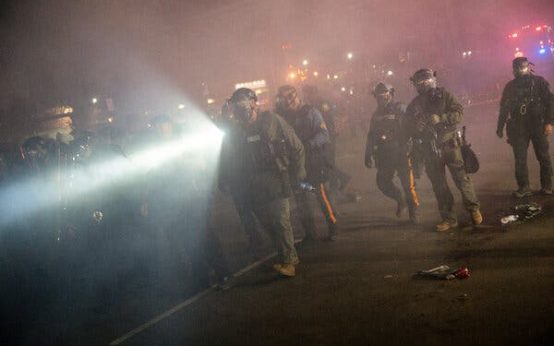 New Jersey Struggles with Protests Near Immigration Detention Center
 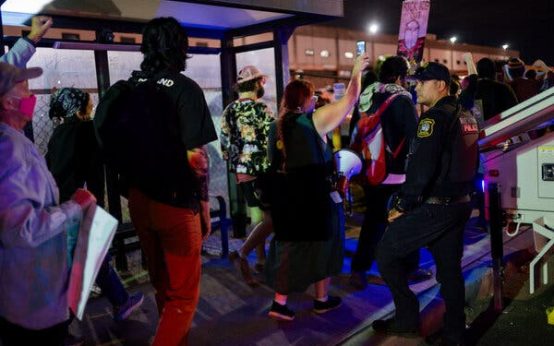 Newark Scales Back Police Presence at Detention Center Protests
  Investigation into Bus Company’s Network and Safety Violations
  Inflation’s Rise Challenges Economists’ Claims
  Support Pours in for Airport Worker After Viral Video