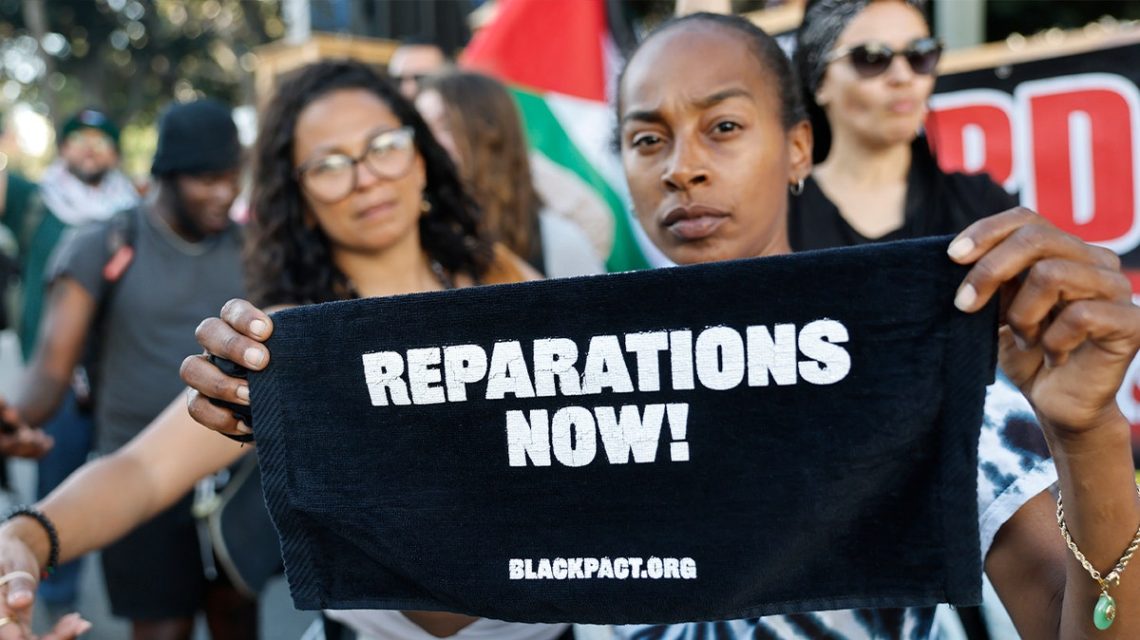
The Department of Justice’s Civil Rights Division is moving to join a class-action lawsuit against Evanston’s ‘Local Reparations Restorative Housing Program’. The DOJ argues that this initiative, located in a Chicago suburb, distributes benefits based solely on race and ancestry, which they claim is unlawful.
Assistant Attorney General Harmeet K. Dhillon stated that while cities have sound methods to address past discrimination and support vulnerable areas, distributing money strictly based on race constitutes race discrimination, which is illegal.
The reparations program by Evanston, Illinois, is now a focal point of federal legal challenges.
The DOJ’s proposed complaint suggests that the program infringes on the Equal Protection Clause of the Fourteenth Amendment and the Fair Housing Act. The issue lies in the race-based allocation of housing-related financial aid. Approved in 2019 and started in 2021, Evanston’s program grants $25,000 to eligible Black residents or their descendants. The funds can cover home purchases, mortgage aid, property repairs, or be received directly.
Applicants must be Black and have lived in Evanston as adults during a time documented for systemic housing discrimination (1919-1969), or be direct descendants from that period. This initiative has sparked wider national discussions on racial reparative justice. Supporters see it as a way to address generational economic disparities, while the federal government argues it’s not ‘narrowly tailored’. The DOJ contends the program should not rely solely on race as the qualifying factor without proving individual harm from past policies.
The lawsuit began in May 2024, initiated by Judicial Watch, a conservative group, on behalf of six non-Black Evanston descendants who felt excluded unconstitutionally. In March, a U.S. judge allowed the lawsuit to proceed, denying a motion to dismiss by the city. The DOJ also launched its own investigation into Evanston’s practices.
To date, Evanston has distributed over $7 million out of a $20 million fund, financed by a tax on legal recreational marijuana sales. The city’s Reparations Committee recently cleared more funding, issuing $25,000 to an additional 44 residents.
The DOJ’s involvement has heightened scrutiny on Evanston’s reparations efforts.
Despite the DOJ’s actions, Evanston stands by its program’s legality but refrains from commenting on ongoing litigation. The DOJ’s request to formally intervene is pending court approval.
Other municipalities, including Illinois, are also considering reparations projects. Nearby, Chicago Mayor Brandon Johnson has initiated ‘Repair Chicago’, aiming to gather Black Chicagoans’ harm narratives, part of a broader reparations effort.
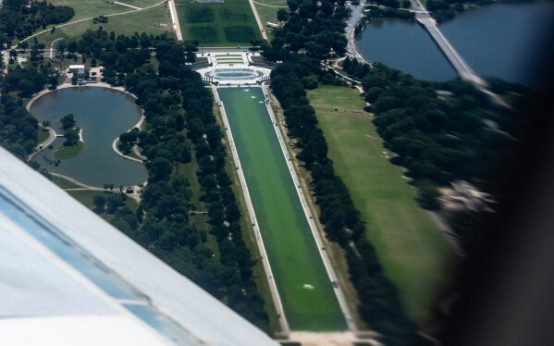 Challenges in Maintaining the Lincoln Memorial Reflecting Pool
 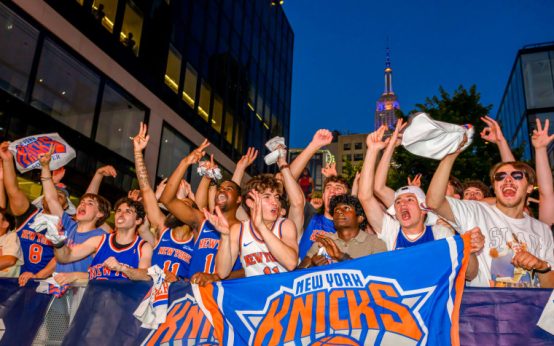 NYPD Prepares for Knicks’ Victory Parade Amid Security Concerns
 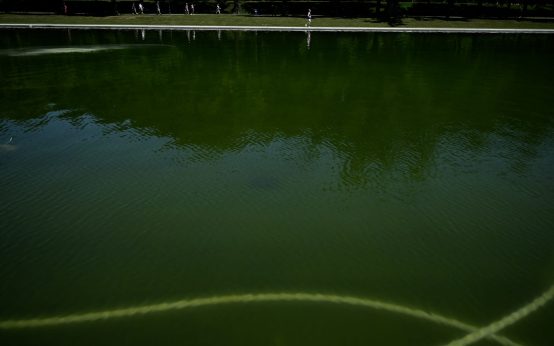 Renovations and Repairs Underway in Washington, DC
  Texas Highway Plane Crash Investigation
 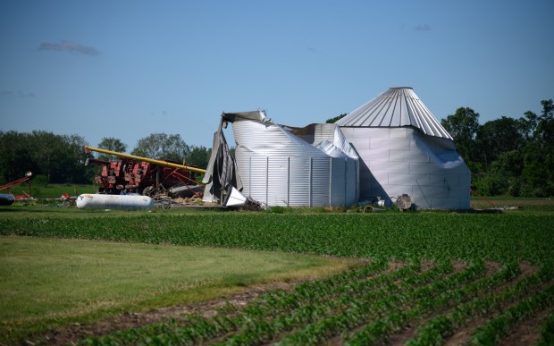 Lake County Declares Local Disaster Emergency After Tornadoes
 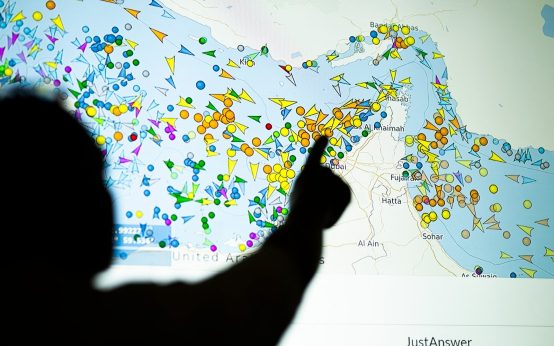 Analysts Predict Delayed Relief in Gas Prices Amid U.S.-Iran Peace Deal and Approaching Storm