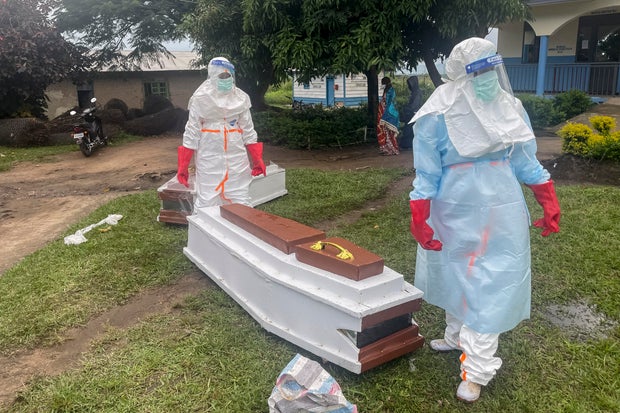
The head of the World Health Organization (WHO) announced that the Ebola outbreak in the Democratic Republic of Congo is escalating quickly, leading to a “very high” national risk level. In response, authorities in northeastern Congo have banned funeral wakes and gatherings exceeding 50 people to prevent further spread.
WHO Director-General Tedros Adhanom Ghebreyesus stated that the risk remains lower outside Congo, though within the country, the situation is critical. As of now, 82 cases and seven deaths have been confirmed, but the suspected cases number nearly 750, with 177 suspected deaths.
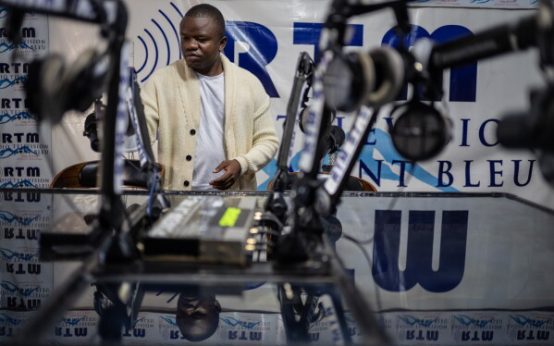
Neighboring Uganda remains stable, with two confirmed cases from individuals who had visited Congo and one death reported. Due to the outbreak, northeastern Congo has enforced temporary bans on large gatherings, demanding that funerals adhere strictly to health protocols. Additionally, journalists must secure permits to report on the outbreak.
Health officials face resistance in communities where misinformation and local customs, like burial rites, oppose medical policies. An arson attack on an Ebola treatment center in Rwampara illustrates the growing fear and anger among locals. Health workers struggle as stringent measures clash with cultural practices.
Local youths set fire to the Rwampara treatment facility while attempting to retrieve the body of a friend suspected of dying from Ebola. The police intervened, yet failed to restore order. Deputy Senior Commissioner Jean Claude Mukendi explained that locals misunderstood burial protocols meant to control the outbreak.
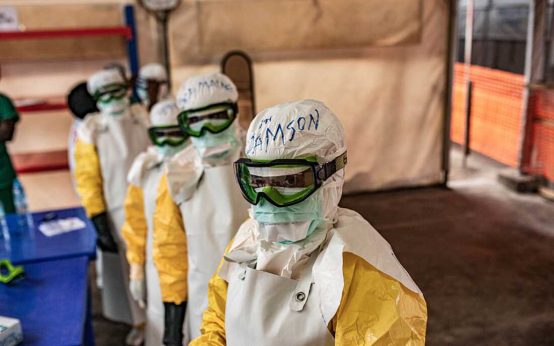
Aid groups, such as ALIMA, are working diligently alongside local authorities to manage the crisis. However, they often encounter community pushback, complicating efforts to contain the virus. Jean Kaseya, from the Africa Centers for Disease Control and Prevention, warned of an expected rise in cases as surveillance intensifies.
Detecting the virus early is vital for saving lives, though armed conflict and reduced international aid have weakened regional health infrastructure and surveillance capacity. Over 920,000 people in Ituri Province have been displaced due to the conflict, further hindering health efforts. A recent ISIS-linked attack resulted in 17 fatalities in the Alima village.
There are no vaccines or treatments available for the Bundibugyo strain behind this outbreak, and experts predict a waiting period of six to nine months before one can be developed. The International Federation of Red Cross and Red Crescent Societies emphasizes the importance of urgent action and cooperation with affected communities.
Ebola is highly contagious, spreading through contact with infected bodily fluids. Symptoms include fever, vomiting, diarrhea, and bleeding. The virus spread undetected for weeks as health authorities initially tested for a different Ebola strain common in the region. “Patient zero” remains unidentified.
The U.S. government has imposed travel restrictions on individuals who’ve been in Congo, Uganda, or South Sudan in the last 21 days. Travellers are subject to screenings upon entry into the country. Additionally, the India-Africa Forum Summit and Congo’s soccer team’s preparations for the World Cup were postponed due to the outbreak.
 Potential Ebola Outbreak in Central Africa Raises Concerns of Rapid Spread
  Researchers Escorted Out of Diabetes Conference for Criticizing Trump Administration
  Ebola Outbreak in Africa: A Serious Concern
 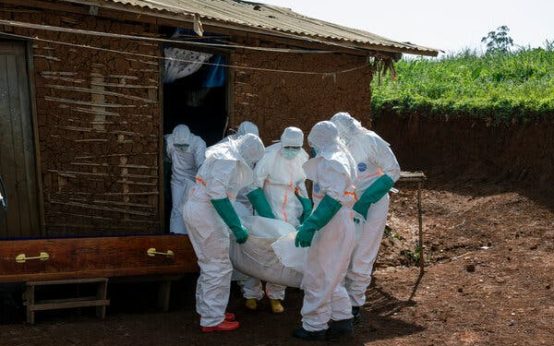 Gold and the Ebola Outbreak in Congo’s Mining Towns
 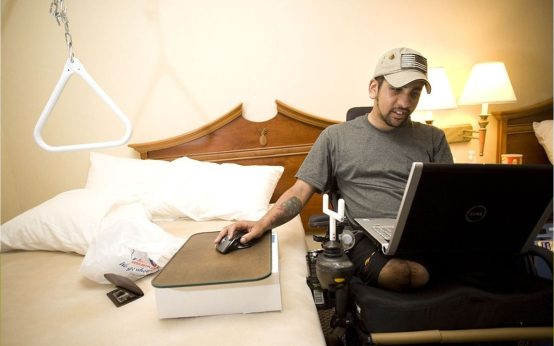 House Passes Bill for Veterans’ Benefit Increase
 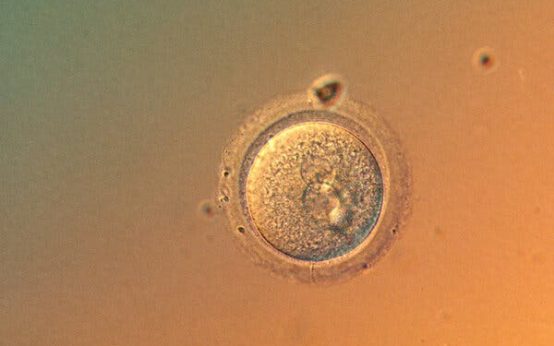 Gene Editing in Human Embryos at Columbia University