The H-1B visa program, designed under the 1990 Immigration Act, permits U.S. companies to recruit foreign professionals with specialized skills not readily available domestically. These visas are nonimmigrant, intended for temporary employment, though some holders eventually transition to permanent residency. An H-1B visa requires a bachelor’s degree or its equivalent and is valid for three years, extendable by another three. Stephen Brown of Capital Economics estimated around 700,000 H-1B visa holders in the U.S., with an additional 500,000 dependents.
A significant majority of H-1B visas, over 60% since 2012, have been allocated to computer-related fields, according to the Pew Research Center. However, the visas are also utilized by hospitals, banks, universities, and various other sectors. The yearly cap is 65,000 new visas, plus an extra 20,000 for individuals with advanced degrees, awarded through a lottery. Certain employers, particularly universities and nonprofits, are exempt from these limits.
Trump’s Visa Fee Hike
In September of last year, the White House introduced a $100,000 fee for H-1B visa applications, a drastic increase from the previous $215 application fee, plus processing costs. The new fee, intended to safeguard American jobs, took effect within a day. Critics argue the program undercuts American workers by attracting overseas labor willing to accept lower wages. Prominent staffing companies like Tata Consultancy Services supply Indian workers to major clients, with nearly 75% of approved applications from India in 2023, according to Pew.
Companies sometimes dismantle their IT departments and outsource jobs to less costly foreign labor. A 2020 Economic Policy Institute report indicated that 60% of H-1B jobs certified by U.S. Labor Department offered below-median wages.
Despite the fee’s intent, it generated only $8.5 million in revenue from 85 payments by mid-February. Bernhard Mueller from Ogletree Deakins noted the fee’s failure in revenue generation. The fee did not impact foreign graduates on student visas transitioning to work visas and slightly affected the H-1B visa issuance rates, which remained consistent with 2010s levels.
Judicial Decision and Repercussions
On Monday, U.S. District Judge Leo Sorokin ruled the fee violated the Administrative Procedure Act, which outlines regulatory processes for federal agencies. Sorokin stated the fee was a tax imposed on H-1B petitions without Congress’s required delegation.
His decision counters an earlier ruling by another federal court, which upheld the fee until its expiration in September, following a challenge by the U.S. Chamber of Commerce. A separate lawsuit in San Francisco by religious and labor organizations highlights ongoing legal disputes likely to reach three appellate circuits with potentially differing outcomes.
The states, in the Boston case, contended the fee restricts their ability to hire crucial educational and medical staff, hampering academic research and medical workforce availability.
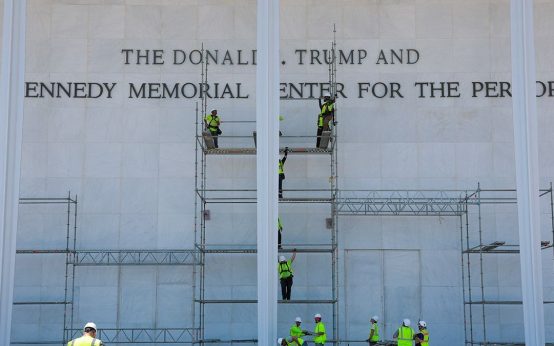 Trump’s Name Removed from Kennedy Center After Court Ruling
  The Urgent Need for AI Regulation Amid Rapid Advancements
 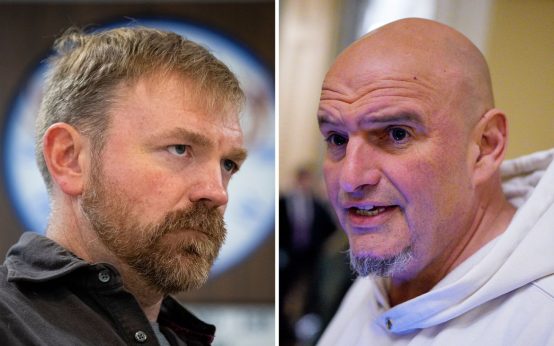 Democratic Tensions Flare as Fetterman and Platner Clash
  New Legislation Targets 3D Printing of Firearms
 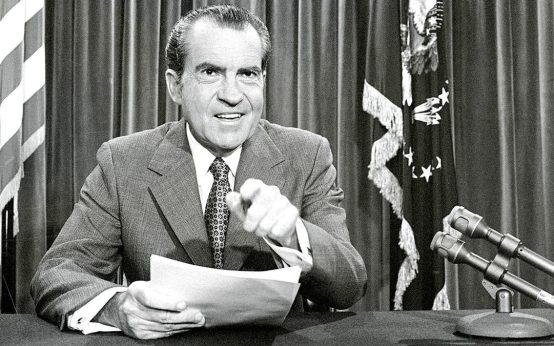 Former General Likens Trump’s Iran Strategy to Nixon’s Vietnam Bombing Campaign
  Removal of Trump’s Name from Kennedy Center Marks Judicial Enforcement