
The Food and Drug Administration (FDA) recently approved a new sunscreen ingredient for the U.S. market. While this might not appear unusual, it marks the first approval of its kind since 1999. The delay is largely due to legislation from 1938.
A baseball player, captured in a photo from Anaheim, California, symbolizes the sunscreen usage culture in the U.S. Despite the evident demand, outdated laws have restricted access to improved sunscreen products.
The aging law in question has been a significant barrier. It prevented the introduction of ingredients that could potentially enhance sun protection. With evolving science, the necessity for product advancements has become apparent.
As the FDA begins to approve more ingredients, there is hope for better sunscreen products on store shelves. More effective options could help consumers protect themselves more effectively from harmful sun exposure.
Efficiency in regulatory processes can play a vital role in bringing advanced products to consumers. The recent approval is a step towards addressing the regulatory challenges that have hindered innovation for decades.
 The Complex Decisions Surrounding Early Retirement
  Tyler Mane Raises Awareness with Male Breast Cancer Diagnosis
 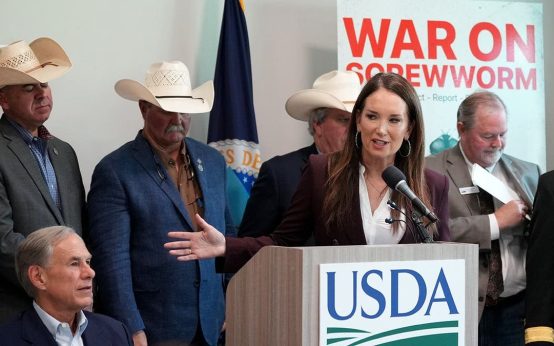 New World Screwworm Infestation in South Texas: Threats and Responses
  Elevated Mortality Risks for Divorcees and Widows
  Routine Surgery Unveils Unexpected Pregnancy for UK Woman
  A Mother’s Journey: From Unexpected Diagnosis to Life-Saving Transplant